No. 25-7522October Term 2025Petition PendingUpdated Sep 3, 2026
Andrew N. MacRitchie v. United States
Andrew N. MacRitchie, Petitioner v. United States
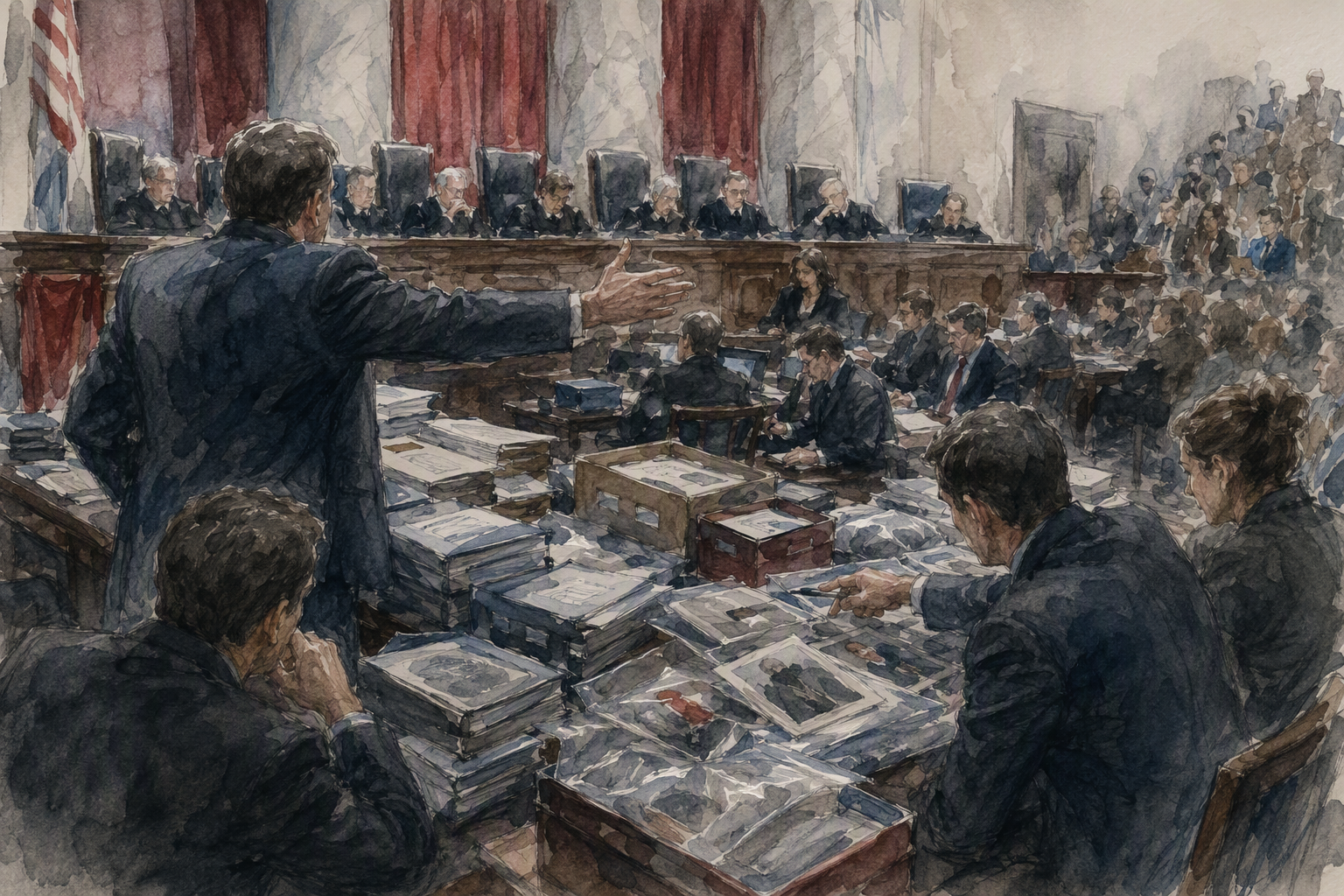
Andrew MacRitchie asks the Supreme Court to review a Ninth Circuit rule that prevented him from offering evidence about individual investors’ behavior in his wire-fraud case.
Case status
- Current stage
- Petition Pending
- Latest event
- Petition pending
- Next
- Awaiting an order on the petitionNo decision timeline until the Court agrees to hear the case.
- What it's about
Andrew MacRitchie asks the Supreme Court to review a Ninth Circuit rule that prevented him from offering evidence about individual investors’ behavior in his wire-fraud case. He argues that the rule improperly limits evidence relevant to whether alleged misstatements were material and whether he intended to defraud, violating Supreme Court precedent and due process.
Question presented
Whether the Ninth Circuit’s “prophylactic” rule barring a defendant from introducing any evidence of individual investor behavior to disprove the materiality or intent elements of wire fraud is foreclosed by this Court’s precedent and violates a defendant’s due process rights.
- Case path
United States Court of Appeals for the Ninth Circuit / Petition pending
- Area
Petition for review pending
Briefing
What it's about
Andrew MacRitchie asks the Supreme Court to review a Ninth Circuit rule that bars defendants from using evidence of individual investor behavior to challenge materiality or intent in wire-fraud cases. He argues the rule conflicts with Supreme Court precedent and violates due process.
Argument
The petition for certiorari (the Court's decision whether to hear a case) is pending and oral argument has not been scheduled.
Impact
The case could affect people accused of wire fraud in the Ninth Circuit, including defendants who want to show how particular investors acted or responded. For example, such evidence could be offered to argue that an alleged statement was not important to an investor or was not made with intent to defraud.
What's next
Watch for a scheduling order, a request for a response, or a decision on whether the Court will hear the case. No decision window is available yet.
What is at stake in MacRitchie v. United States?
The case concerns whether a wire-fraud defendant may use evidence about individual investors to dispute materiality or intent.
Who could be affected by the Ninth Circuit rule?
People accused of wire fraud in the Ninth Circuit could be affected if they seek to introduce evidence about particular investors' behavior.
What happens next in MacRitchie v. United States?
The Supreme Court may take another scheduling step or decide whether to hear the case. Oral argument has not been scheduled.
Documents
Activity
Docket activity2
AI analysis generated: Case Briefing
Sep 3, 2026 | Generated
Brief added: Petition
May 28, 2026 | Court records
Related cases


Grounding
- Grounding
- Primary materials plus reporting.
- Note
- Best-effort analysis: this explainer relies on a mix of primary materials and trusted secondary sources. Official filings and opinions remain authoritative.
- Checked
- Sep 3, 2026
- Method
- Methodology