No. 25-7461October Term 2025Petition PendingUpdated Sep 3, 2026
William James Washington v. United States
William James Washington, Petitioner v. United States
William James Washington asks the Supreme Court to review his federal criminal case from the Second Circuit.
Case status
- Current stage
- Petition Pending
- Latest event
- Petition pending
- Next
- Awaiting an order on the petitionNo decision timeline until the Court agrees to hear the case.
- What it's about
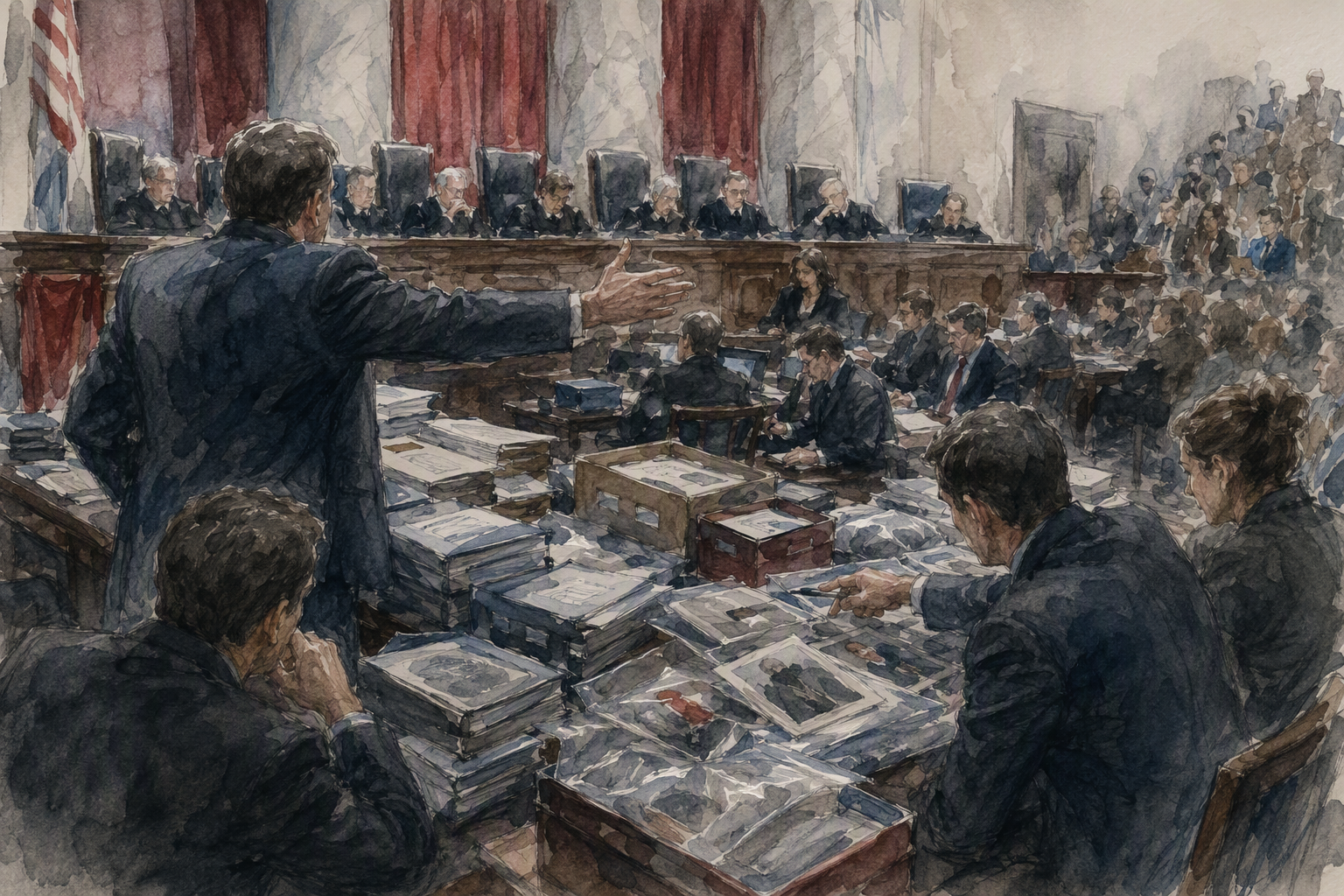
William James Washington asks the Supreme Court to review his federal criminal case from the Second Circuit. He argues that the case was tried in an improper federal district because the conduct connecting the alleged crimes to that district was neither reasonably foreseeable to him nor carried out to further the alleged crimes.
Question presented
Whether venue is proper in a district court where the offense conduct touching the district was not reasonably foreseeable to the defendant and not in furtherance of the alleged crimes.
- Case path
United States Court of Appeals for the Second Circuit / Petition pending
- Area
Petition for review pending
Briefing
What it's about
William James Washington asks the Supreme Court to review where he could be tried. The question is whether a court can be the proper location for a case when conduct connected to that district was not reasonably foreseeable to the defendant or did not advance the alleged crimes.
Argument
The case is pending, and oral argument has not yet been scheduled.
Impact
The answer could affect where federal defendants face trial, including whether they can be tried far from where they acted. For example, a defendant could face a trial in a district touched by another person's conduct.
What's next
The Court may schedule oral argument or take another scheduling step. No decision window is available yet.
What is at stake in Washington v. United States?
The case could define when a federal criminal trial may occur in a district linked to conduct the defendant did not foresee.
Who could be affected by the venue question in this case?
Federal criminal defendants and prosecutors could be affected when alleged conduct touches more than one judicial district.
What happens next in Washington v. United States?
The next step is a possible oral-argument date or another scheduling action by the Supreme Court. No decision timing has been set.
Documents
Activity
Docket activity2
AI analysis generated: Case Briefing
Sep 3, 2026 | Generated
Brief added: Petition
May 21, 2026 | Court records
Related cases
Grounding
- Grounding
- Primary materials plus reporting.
- Note
- Best-effort analysis: this explainer relies on a mix of primary materials and trusted secondary sources. Official filings and opinions remain authoritative.
- Checked
- Sep 3, 2026
- Method
- Methodology