No. 25-6795October Term 2025Petition PendingUpdated Sep 3, 2026
Norman Lee Scott, Sr. v. Bailey
Norman Lee Scott, Sr., Petitioner v. Whitney R. Bailey, et al.
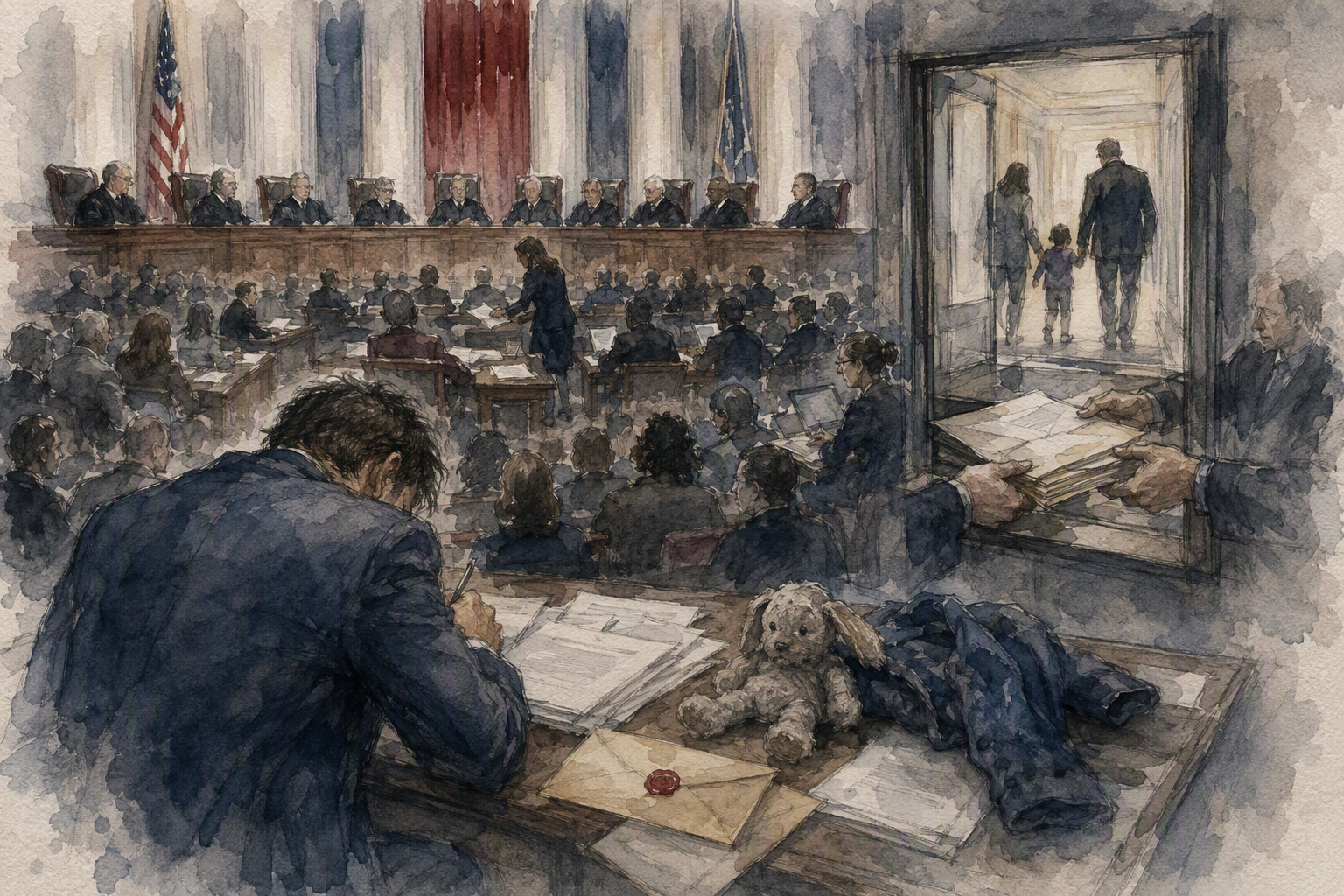
Norman Lee Scott, Sr. asks the Supreme Court to review the Third Circuit’s use of judicial estoppel to dismiss his civil case after he reopened his bankruptcy case, amended his disclosures, and the bankruptcy was administered and closed.
Case status
- Current stage
- Petition Pending
- Latest event
- Petition pending
- Next
- Awaiting an order on the petitionNo decision timeline until the Court agrees to hear the case.
- What it's about
Norman Lee Scott, Sr. asks the Supreme Court to review the Third Circuit’s use of judicial estoppel to dismiss his civil case after he reopened his bankruptcy case, amended his disclosures, and the bankruptcy was administered and closed. He argues that the dismissal was improper because the district court reversed an earlier ruling without notice or a hearing and without findings that he intentionally concealed information or acted in bad faith.
Question presented
1. Whether a federal court may apply judicial estoppel to dismiss a civil action when the debtor reopened the bankruptcy case, amended the schedules with court approval, the trustee was appointed, and the bankruptcy was fully administered and closed before the civil dismissal. 2. Whether the Due Process Clause permits a district court to Sua Sponte reverse its prior ruling rejecting judicial estoppel, without notice or an opportunity to be heard, based solely on a decision from a different case involving different claims. 3. Whether judicial estoppel may be imposed without findings of intentional concealment, bad faith, or prejudice, contrary to New Hampshire v. Maine, 532 U.S. 742 (2001), and this Court’s bankruptcy-fresh-start jurisprudence. 4. Whether punishing a debtor for correcting a bankruptcy disclosure undermines the Bankruptcy Code’s “fresh start” policy.
- Case path
United States Court of Appeals for the Third Circuit / Petition pending
- Area
Petition for review pending
Briefing
What it's about
Norman Lee Scott Sr. asks the Supreme Court to review whether a federal court can dismiss his civil case using judicial estoppel (a rule preventing inconsistent positions) after he corrected and completed his bankruptcy disclosures. He also challenges a judge’s reversal of an earlier decision without notice or a chance to respond.
Argument
A petition for certiorari (the Court's decision whether to hear a case) has been filed. Oral argument has not been scheduled.
Impact
The case could affect debtors who discover and correct missing information in bankruptcy while pursuing a separate civil lawsuit. For example, a person who amends bankruptcy schedules could still lose a lawsuit if a court applies judicial estoppel.
What's next
The next step is a Court scheduling move or a decision on whether to hear the case. No decision window is available yet.
What is at stake in Scott v. Bailey?
The case concerns whether corrected bankruptcy disclosures can still lead to dismissal of a separate civil lawsuit under judicial estoppel.
Who could be affected by Scott v. Bailey?
Bankruptcy debtors who amend their schedules and trustees handling fully administered bankruptcy cases could be affected.
What happens next in Scott v. Bailey?
The Supreme Court may decide whether to hear the case. Oral argument has not been scheduled.
Documents
Activity
Docket activity2
AI analysis generated: Case Briefing
Sep 3, 2026 | Generated
Brief added: Petition
Jan 2, 2026 | Court records
Related cases
Grounding
- Grounding
- Primary materials plus reporting.
- Note
- Best-effort analysis: this explainer relies on a mix of primary materials and trusted secondary sources. Official filings and opinions remain authoritative.
- Checked
- Sep 3, 2026
- Method
- Methodology