No. 25-1195October Term 2025Petition PendingUpdated Sep 1, 2026
John David Trice v. Texas
John David Trice, Petitioner v. Texas
John David Trice asks the Supreme Court to review his Texas conviction under the State’s continuous-sexual-abuse law.
Case status
- Current stage
- Petition Pending
- Latest event
- Petition pending
- Next
- Awaiting an order on the petitionNo decision timeline until the Court agrees to hear the case.
- What it's about
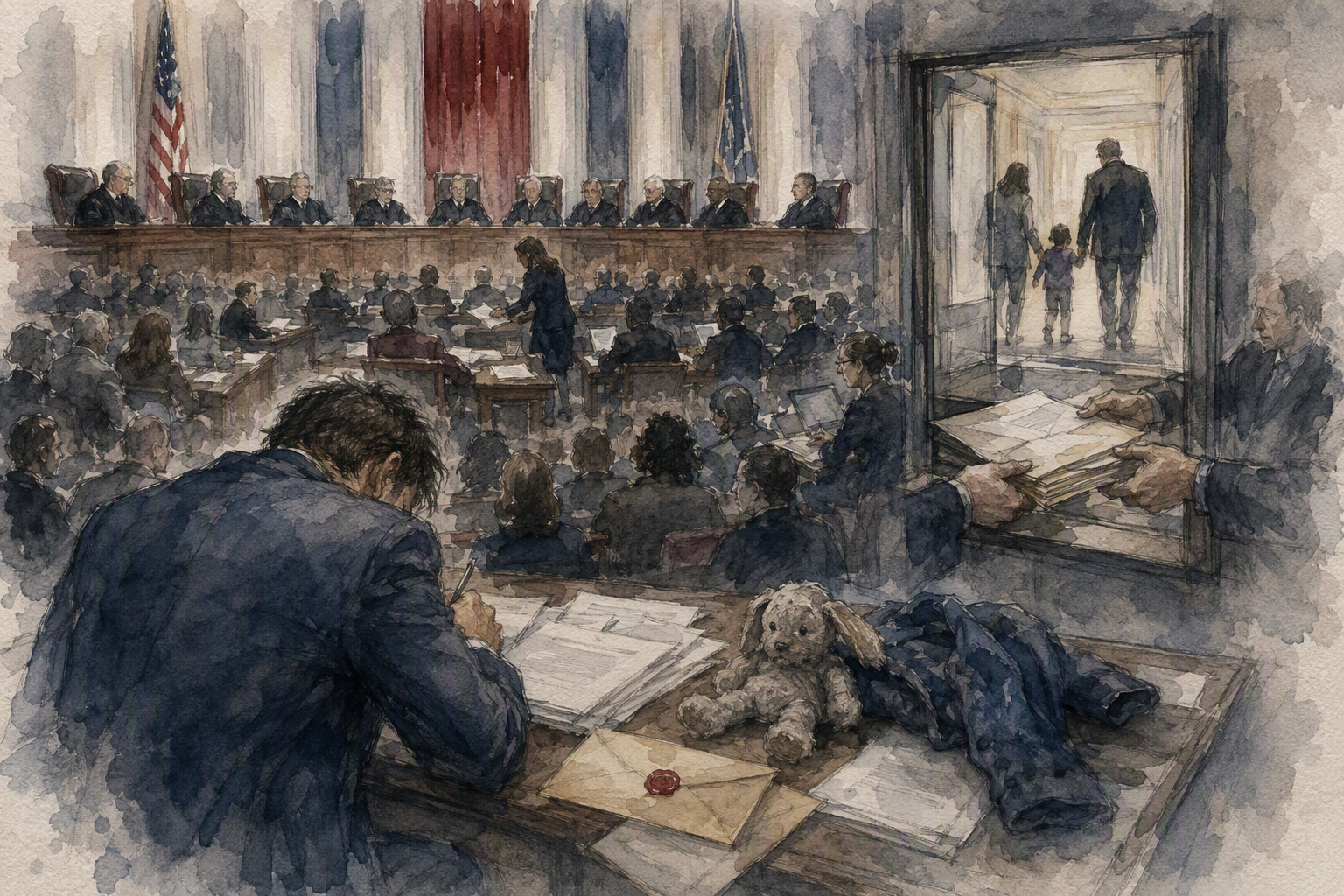
John David Trice asks the Supreme Court to review his Texas conviction under the State’s continuous-sexual-abuse law. He argues that the law violates the Constitution because it allows jurors to convict without unanimously agreeing on the specific abusive acts he committed.
Question presented
Does the Texas continuous-sexual-abuse statute violate a defendant’s right to a unanimous verdict by the jury under the Sixth and Fourteenth Amendments?
- Case path
Court of Appeals of Texas, Eleventh District / Petition pending
- Area
Petition for review pending
Briefing
What it's about
John David Trice has asked the Supreme Court to review a Texas law covering continuous sexual abuse. The law says jurors need not unanimously agree on which specific acts occurred, and Trice argues that conflicts with the constitutional right to a unanimous jury verdict.
Argument
A petition for certiorari (the Court's decision whether to hear a case) has been filed, and oral argument has not been scheduled.
Impact
The case could affect defendants charged under Texas's continuous-sexual-abuse law and the instructions juries receive. For example, jurors could agree that abuse occurred over time while disagreeing about the particular acts they believe were proved.
What's next
The Court may decide whether to grant certiorari or take another scheduling action. No oral argument date or decision window is available yet.
What is at stake in Trice v. Texas?
The case asks whether Texas may allow a conviction without jurors agreeing on the same specific acts of sexual abuse.
Who could be affected by the Texas continuous-sexual-abuse case?
People charged under the Texas law, alleged victims, prosecutors, defense lawyers, and jurors could be affected by the Court's response to the petition.
What happens next in Trice v. Texas?
The Supreme Court will decide whether to review the petition. Oral argument has not been scheduled.
Documents
Activity
Docket activity2
AI analysis generated: Case Briefing
Sep 1, 2026 | Generated
Brief added: Petition
Apr 15, 2026 | Court records
Related cases
Grounding
- Grounding
- Primary materials plus reporting.
- Note
- Best-effort analysis: this explainer relies on a mix of primary materials and trusted secondary sources. Official filings and opinions remain authoritative.
- Checked
- Sep 1, 2026
- Method
- Methodology