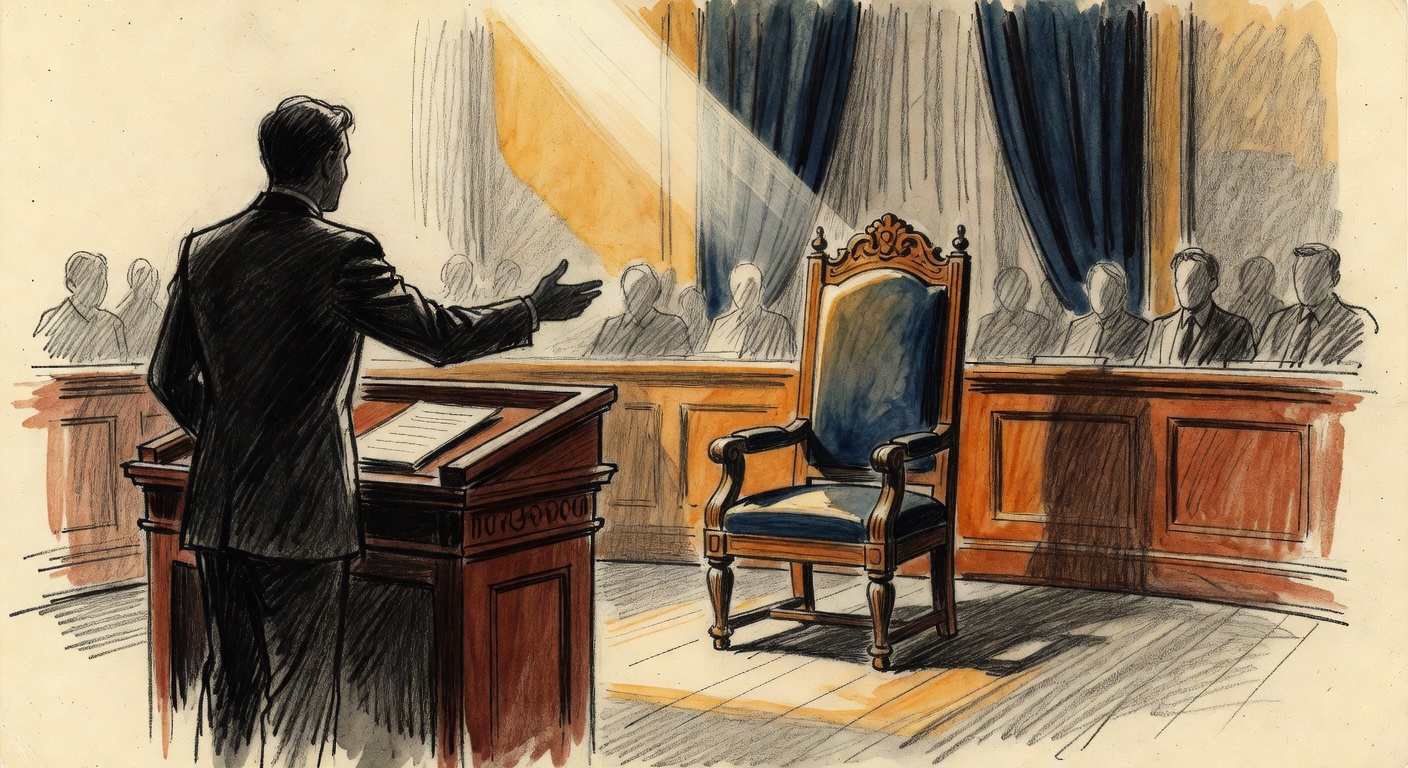
Antonio Nathaniel Davenport, Jr., Petitioner v. United States
Judges may define reasonable doubt, but the Constitution does not make that definition mandatory on request.
Case status
- Current stage
- Decided
- Latest event
- Decision released Dec 8, 2025
- What it's about
This case addressed whether a trial court is constitutionally required to provide a specific definition of "reasonable doubt" to a jury upon a defendant's request. The Supreme Court held that the Constitution neither prohibits courts from defining the term nor mandates that they do so.
Question presented
Whether a trial court is constitutionally required to provide a specific definition of "reasonable doubt" to a jury upon a defendant's request.
- Case path
United States Court of Appeals for the Fourth Circuit / Decision released Dec 8, 2025
- Area
Decided Supreme Court case
Briefing
What it's about
The case asked whether the Constitution requires a trial judge to give jurors a specific definition of "reasonable doubt" when a defendant asks for one. The Supreme Court said the Constitution does not forbid judges from defining the term, but it also does not require them to do so.
Impact
This affects criminal trials across the country because judges often tell jurors they must find guilt beyond a reasonable doubt without further explanation. For example, a defendant who wants a detailed instruction cannot claim the Constitution always entitles him to one.
What's next
The Supreme Court has finished this docket action. The practical effect is that trial courts and lower courts will apply this rule in future criminal cases.
What was the main fight in Davenport v. United States?
The case asked whether a defendant has a constitutional right to a specific jury definition of "reasonable doubt" when he requests one. The Court said no.
Who is most affected by this decision in real life?
Criminal defendants, trial judges, and jurors are directly affected. Judges can choose whether to define the term, rather than being constitutionally forced to do so.
What happens next after the Supreme Court's action in this case?
This Supreme Court case is over. Lower courts and trial judges will use this decision when similar jury-instruction disputes come up.
Decision
What the Court decided
Judges may define reasonable doubt, but the Constitution does not make that definition mandatory on request.
Impact
This affects criminal trials across the country because judges often tell jurors they must find guilt beyond a reasonable doubt without further explanation. For example, a defendant who wants a detailed instruction cannot claim the Constitution always entitles him to one.
Not official Court text.
Documents
Related cases


Grounding
- Grounding
- Primary materials plus reporting.
- Note
- Best-effort analysis: this explainer relies on a mix of primary materials and trusted secondary sources. Official filings and opinions remain authoritative.
- Checked
- Jun 1, 2026
- Method
- Methodology
Primary materials8
Supreme Court docket 24-7435
docket | May 1, 2026
Primary case document
Supreme Court document | May 1, 2026
CourtListener docket record
docket | May 1, 2026
Opinion
opinion | Dec 8, 2025
Davenport
opinion | Dec 8, 2025
Petition
brief | Jun 11, 2025
SupremeCourt.gov
official | Jun 1, 2026
SupremeCourt.gov
official | Jun 1, 2026