Berger v. North Carolina State Conference of the NAACP
In brief
The Supreme Court let Berger and Moore join the voter-ID lawsuit as parties to defend the law.
- Where it stands
- Decided
Decided 8-1 · June 23, 2022 · Opinion by Justice Gorsuch
- What it’s about
- North Carolina’s NAACP challenged a state voter-ID law, and legislative leaders Phil Berger and Tim Moore sought to join the case although the attorney general was already defending the law.
- Who it affects
- Berger and Moore can now participate as parties even though North Carolina’s attorney general was already defending the law. The ruling decides who may defend the law in this case, not whether the law complies with the Constitution.
Summary: written with AI from the case record.
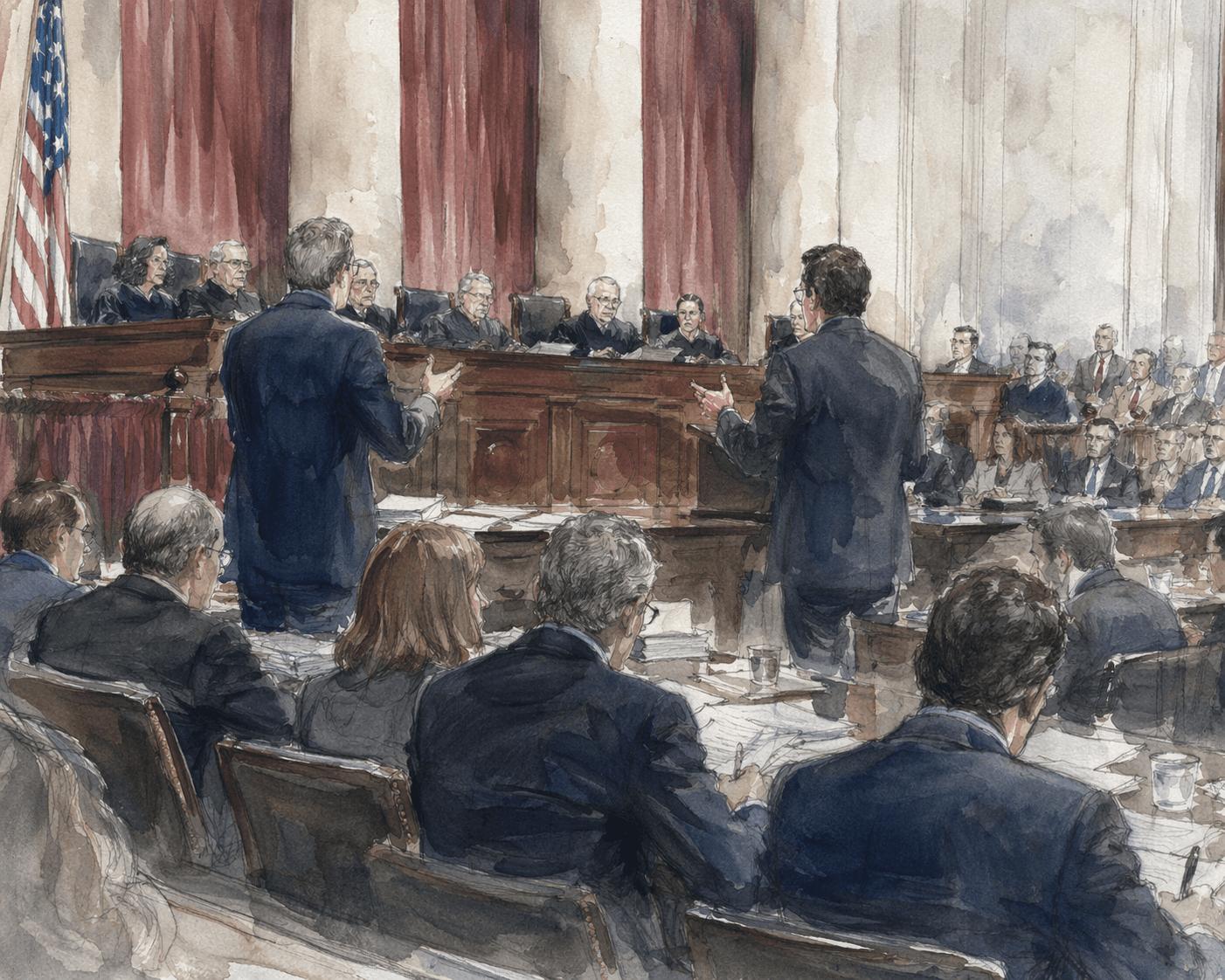
What it's about
The Supreme Court overturned the Fourth Circuit and ruled that the legislative leaders could intervene (join the lawsuit as parties) to defend the law.
The case tested how federal courts choose among state officials who seek to represent the state while defending the same law.
Question presented
1. Whether a state agent authorized by state law to defend the State's interest in litigation must overcome a presumption of adequate representation to intervene as of right in a case in which a state official is a defendant. 2. Whether a district court's determination of adequate representation in ruling on a motion to intervene as of right is reviewed de novo or for abuse of discretion. 3. Whether Petitioners are entitled to intervene as of right in this litigation.
What the Court decided
Holding
North Carolina’s legislative leaders are entitled to intervene in this litigation. 999 F. 3d 915, reversed.
- Result
- Reversed
The vote
From the opinions
“When an individual or entity moves to intervene in a pending lawsuit under Federal Rule of Civil Procedure 24(a)(2), a federal court is not authorized to grant the motion if an existing party to the case adequately represents the movant’s interests.”
What's next
The lower court should allow Berger and Moore to participate as parties in the existing lawsuit. The NAACP’s challenge remains, including the unresolved question of whether the law complies with the Constitution.
Documents
Docket activity
New analysis added
AI analysis generated: Case Briefing
New analysis added
AI analysis generated: Impact Analysis
AI analysis generated: Opinion Summary
Show 6 moreShow fewer
AI analysis generated: Decision Record
Case data updated: summary, question_presented, generation_metadata
Case data updated: status, opinion_date
Opinion added: opinion
Brief added: Petition
Brief added: Questions Presented
More questions
- What did Berger v. North Carolina State Conference of the NAACP decide?
- It overturned the Fourth Circuit’s ruling and decided that Berger and Moore were entitled to join the lawsuit as parties.
- Why did Phil Berger and Tim Moore seek to join the case?
- They wanted to defend North Carolina’s voter-ID law while the attorney general was already defending it.
- Who may participate in the voter-ID lawsuit after the ruling?
- Berger and Moore may participate as parties alongside the state attorney general. The ruling does not decide whether the law complies with the Constitution.
- What happens next in the case?
- The lower court should allow the legislative leaders to participate in the existing lawsuit. The NAACP’s challenge remains to be resolved.
Sources
Primary materials plus reporting. Best-effort analysis: this explainer relies on a mix of primary materials and trusted secondary sources. Official filings and opinions remain authoritative.