No. 21-1410October Term 2021Decided Nov 7, 2022
Clendening v. United States
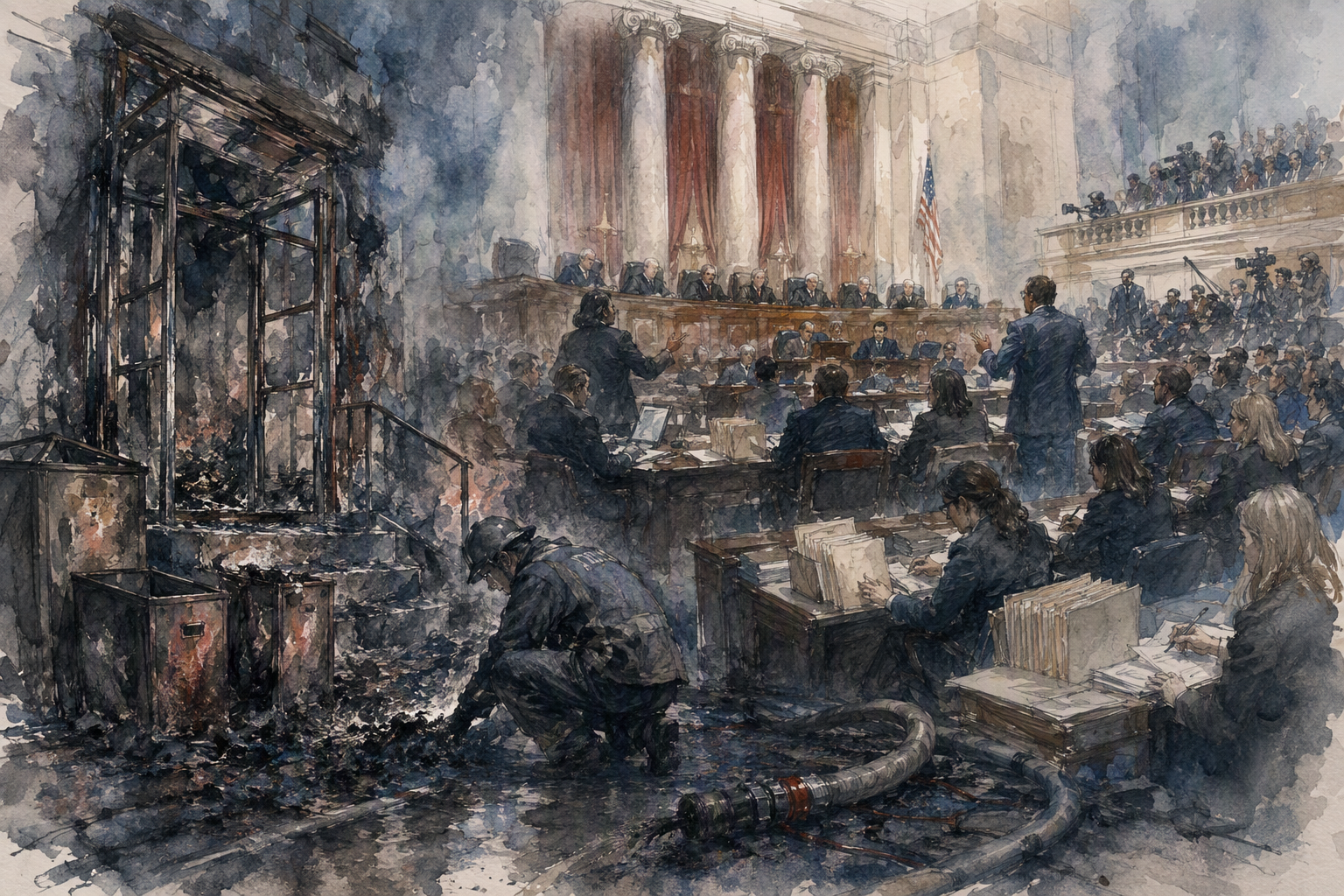
This case asks whether a Camp Lejeune toxic-exposure lawsuit can go forward when the injured person was a military officer and the government says the claim is legally blocked.
Case status
- Current stage
- Decided
- Latest event
- Decision released Nov 7, 2022
- What it's about
This case arises from a suit by the estate of a former military officer who was exposed to contaminated water at Camp Lejeune and later died, alleging the government failed to warn him about the toxic exposure. The issues center on whether his claims are barred because the injury was considered incident to military service and because the Federal Tort Claims Act shields certain government decisions from suit.
Question presented
1. Does Feres v. United States, 340 U.S. 135 (1950) apply to an unwitting Judge Advocate General Officer’s toxic exposure not related to his service. 2. Whether the Federal Tort Claims Act’s discretionary function exception 28 U.S.C 2680(a) applies to the military’s failure to notify and warn Camp Lejeune residents of their exposure to toxins pursuant to standing law.
- Case path
United States Court of Appeals for the Fourth Circuit / Decision released Nov 7, 2022
- Area
Decided Supreme Court case
Briefing
What it's about
The estate of a former military officer exposed to contaminated water at Camp Lejeune says the government failed to warn him about the danger. The Court is being asked whether the suit is barred by the Feres rule, which blocks claims for injuries "incident to military service," and by a federal exception protecting some government choices from suit.
Vote
The case is still pending, and oral argument has not been scheduled. The dispute centers on whether the Feres rule applies here and whether the Federal Tort Claims Act's discretionary function exception, a rule shielding some policy choices, protects the alleged failure to warn.
Impact
If the Court takes up the case, it could shape whether service members or their families can pursue toxic-exposure claims tied to military bases. A concrete example is Camp Lejeune residents who say the government knew of contamination but did not warn them.
What's next
Watch for oral argument or another scheduling move from the Court. No decision window is available yet.
What is Clendening asking the Supreme Court to decide?
The estate argues this Camp Lejeune toxic-exposure suit should not be blocked just because the officer was in the military. It also challenges whether the government's failure to warn was protected discretion.
Why could this case matter beyond one family?
It could affect whether service members or their estates can seek money damages after toxic exposure on base. Camp Lejeune residents are a concrete example.
What should court watchers look for next in this case?
The next sign is oral argument or another scheduling move from the Court. No decision window is available yet.
Decision
What the Court decided
This case asks whether a Camp Lejeune toxic-exposure lawsuit can go forward when the injured person was a military officer and the government says the claim is legally blocked.
Impact
If the Court takes up the case, it could shape whether service members or their families can pursue toxic-exposure claims tied to military bases. A concrete example is Camp Lejeune residents who say the government knew of contamination but did not warn them.
Not official Court text.
Opinion documents
Timing
Decided November 7, 2022
The Court released its decision on November 7, 2022 without hearing oral argument.
Documents
Related cases


Grounding
- Grounding
- Primary materials plus reporting.
- Note
- Best-effort analysis: this explainer relies on a mix of primary materials and trusted secondary sources. Official filings and opinions remain authoritative.
- Checked
- Jul 2, 2026
- Method
- Methodology
Primary materials8
Supreme Court docket 21-1410
docket | Jul 25, 2026
Primary case document
Supreme Court document | Jul 25, 2026
CourtListener docket record
docket | Jul 25, 2026
Opinion
opinion | Nov 7, 2022
Petition
brief | Apr 29, 2022
Lower Court Orders/Opinions
order | Feb 18, 2022
SupremeCourt.gov
official | Jul 2, 2026
SupremeCourt.gov
official | Jul 2, 2026