Pollution cleanup settlements
Guam v. United States
In brief
The Supreme Court overturned the D.C. Circuit and sent Guam's case back (reversed and remanded): a settlement must resolve legal responsibility under CERCLA before triggering a contribution claim.
- Where it stands
- Decided
Decided 9-0 · May 24, 2021 · Opinion by Justice Thomas
- What it’s about
- Guam sought to make the United States help pay for cleaning up the Ordot Dump, a landfill the Navy created and used for decades.
- Who it affects
- A settlement under another environmental law does not by itself trigger CERCLA's contribution provision; it must resolve legal responsibility under CERCLA itself. The D.C.
Summary: written with AI from the case record.
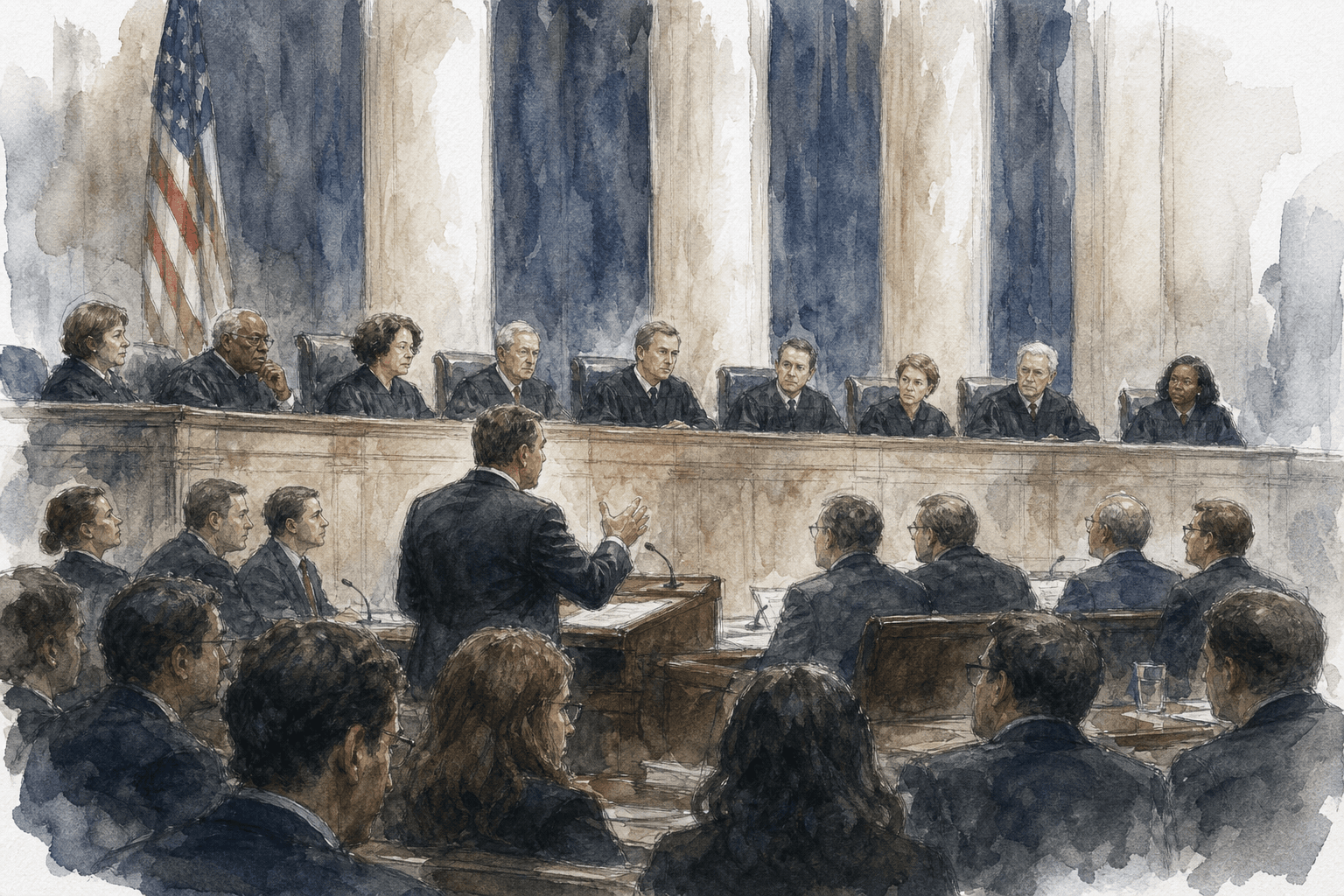
What it's about
The case asked whether a 2004 consent decree settling Clean Water Act claims against Guam also triggered CERCLA’s contribution provisions and blocked Guam from later suing the federal government under CERCLA to recover cleanup costs.
The case clarifies when an environmental settlement allows one party to seek a share of cleanup costs from another under CERCLA.
Question presented
1. Whether a non-CERCLA settlement can trigger a contribution claim under CERCLA Section 113(f)(3)(B). 2. Whether a settlement that expressly disclaims any liability determination and leaves the settling party exposed to future liability can trigger a contribution claim under CERCLA Section 113(f)(3)(B).
What the Court decided
Holding
A settlement of environmental liabilities must resolve a CERCLA- specific liability to give rise to a contribution action under §113(f)(3)(B). The Court interprets §113(f)(3)(B) in light of its text and place within CERCLA’s comprehensive statutory scheme. Section 113(f)’s interlocking provisions governing the scope of a contribution claim, taken together and in sequence, anticipate a predicate CERCLA liability. See New Prime Inc. v. Oliveira, 586 U. S. ___, ___. 950 F. 3d 104, reversed and remanded.
- Result
- Reversed
The vote
What's next
The case returns to the D.C. Circuit for further proceedings under this rule. Guam's request for cleanup-cost contribution remains unresolved; the Supreme Court did not order the United States to pay.
Why it matters
Circuit must apply that rule to Guam's claim, so the Supreme Court did not itself decide whether Guam will recover cleanup costs.
Documents
Docket activity
New analysis added
AI analysis generated: Case Briefing
New analysis added
AI analysis generated: Impact Analysis
AI analysis generated: Opinion Summary
Show 6 moreShow fewer
AI analysis generated: Decision Record
New analysis added
Case data updated: status, opinion_date
Opinion added: opinion
Brief added: Petition
Brief added: Questions Presented
More questions
- What did Guam v. United States decide?
- A settlement can trigger a CERCLA contribution claim only if it resolves legal responsibility under CERCLA itself. The Court overturned the D.C. Circuit and sent the case back (reversed and remanded).
- What kind of settlement can trigger §113(f)(3)(B)?
- Only a settlement resolving CERCLA-specific liability can trigger that contribution claim. Leaving CERCLA responsibility unresolved is not enough.
- What happens to Guam's cleanup-cost claim now?
- The case returns to the D.C. Circuit for further proceedings under the Supreme Court's rule. The request for payment remains unresolved.
- Was Guam v. United States decided unanimously?
- Yes. Justice Thomas wrote the opinion for a unanimous Court.
Sources
Primary materials plus reporting. Best-effort analysis: this explainer relies on a mix of primary materials and trusted secondary sources. Official filings and opinions remain authoritative.