Police use of force
Rivas-Villegas v. Cortesluna
In brief
Rivas-Villegas could not be sued for damages on this excessive-force claim because the law had not clearly established that his actions were unconstitutional.
- Where it stands
- Decided
Decided · October 18, 2021
- What it’s about
- This case asked whether a police officer could be sued for excessive force after he briefly put his knee on the back of a suspect who had a knife in his pocket while officers were disarming and handcuffing him during a domestic violence response.
- Who it affects
- The decision protects the officer from this damages claim because earlier cases had not clearly established that the conduct was unconstitutional. It affects officers and people alleging excessive force during arrests involving a possible weapon.
Summary: written with AI from the case record.
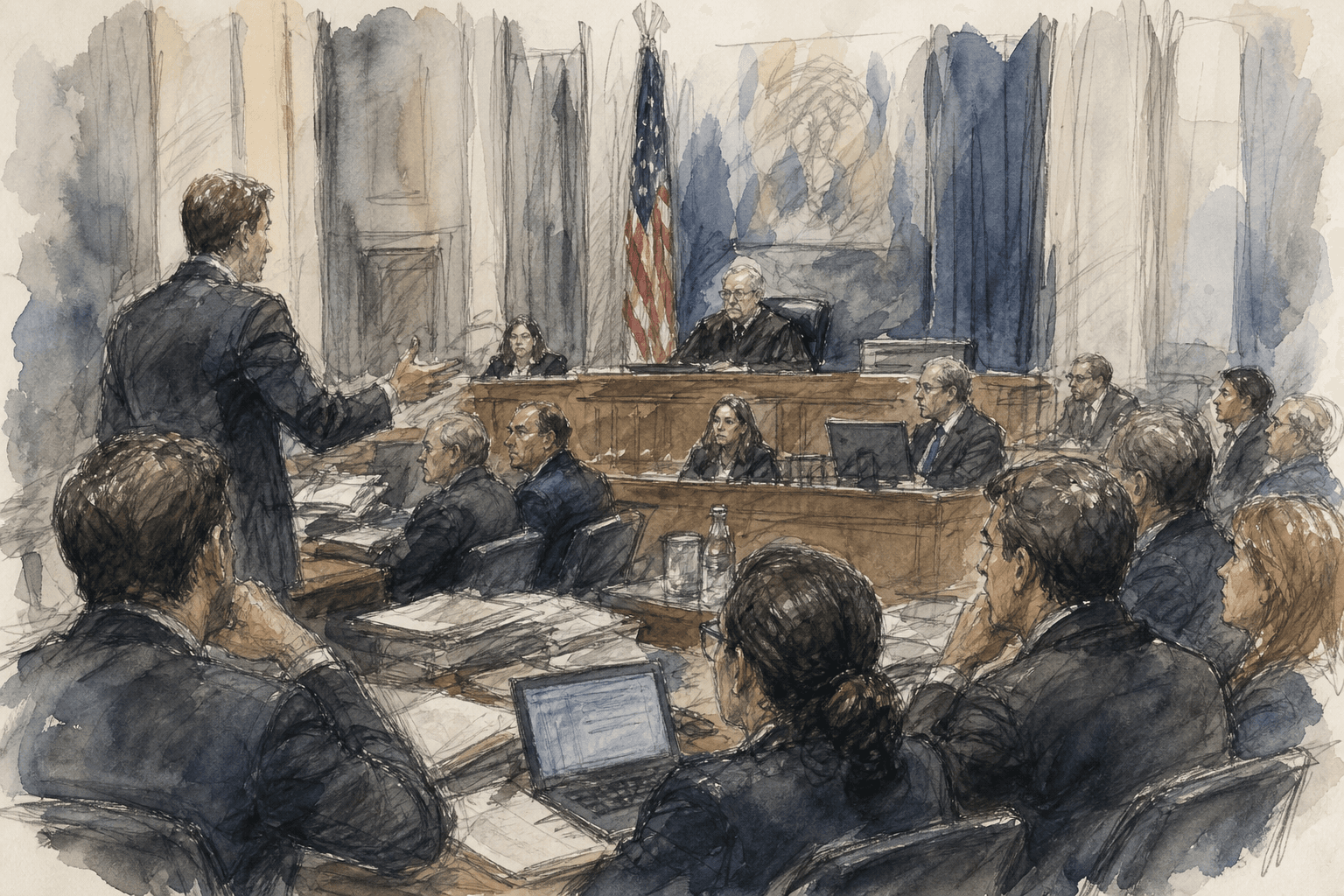
What it's about
The Supreme Court held that the officer was entitled to qualified immunity because prior cases had not clearly established that this conduct was unconstitutional.
The case concerns when qualified immunity shields police officers from civil lawsuits over force used during an arrest.
Question presented
1. Did the Ninth Circuit depart from this Court’s decisions in Graham v. Connor, 490 U.S. 386 (1989) and Plumhoff v. Rickard, 572 U.S. 765 (2014) in denying qualified immunity to petitioner based upon the absence of a constitutional violation, by concluding that pushing a suspect down with a foot and briefly placing a knee against the back of a prone, armed suspect while handcuffing him, could constitute excessive force? 2. Did the Ninth Circuit depart from this Court’s decision in Kisela v. Hughes, ___ U.S. ___, 138 S. Ct. 1148 (2018) (per curiam) and numerous other cases by denying qualified immunity even though two judges concluded the use of force was reasonable, and notwithstanding the absence of clearly established law imposing liability under circumstances closely analogous to those confronting petitioner?
What the Court decided
What's next
The Supreme Court has finished this docket action. The qualified-immunity decision applies to the claim against Rivas-Villegas.
Documents
Opinions
Key filings
Docket activity
New analysis added
AI analysis generated: Case Briefing
Case data updated: status, opinion_date
Opinion added: Opinion
Brief added: Petition
More questions
- What did the Supreme Court rule in Rivas-Villegas v. Cortesluna?
- The Court said Officer Rivas-Villegas was entitled to qualified immunity from the excessive-force damages claim.
- Who is affected by the Rivas-Villegas decision?
- Police officers facing force-related damages claims and people alleging excessive force may be affected. The result turns on whether prior law clearly covered similar conduct.
- What happens next in Rivas-Villegas v. Cortesluna?
- The Supreme Court has completed the case. Its qualified-immunity decision resolves the claim against Rivas-Villegas.
Sources
Primary materials plus reporting. Best-effort analysis: this explainer relies on a mix of primary materials and trusted secondary sources. Official filings and opinions remain authoritative.