Review of state court rulings
Dunn v. Reeves
In brief
The Supreme Court overturned the Eleventh Circuit’s judgment and sent the case back for more proceedings (remanded), so Reeves’s ultimate result remains unresolved.
- Where it stands
- Decided
Decided · July 2, 2021 · Per curiam
- What it’s about
- The case concerned whether the Eleventh Circuit wrongly found that an Alabama court used an unreasonable rule when it rejected Matthew Reeves’s claims that his lawyers did not adequately represent him.
- Who it affects
- The ruling did not finally decide whether Reeves wins his claim. The case stays open while the lower court follows the Supreme Court’s opinion.
Summary: written with AI from the case record.
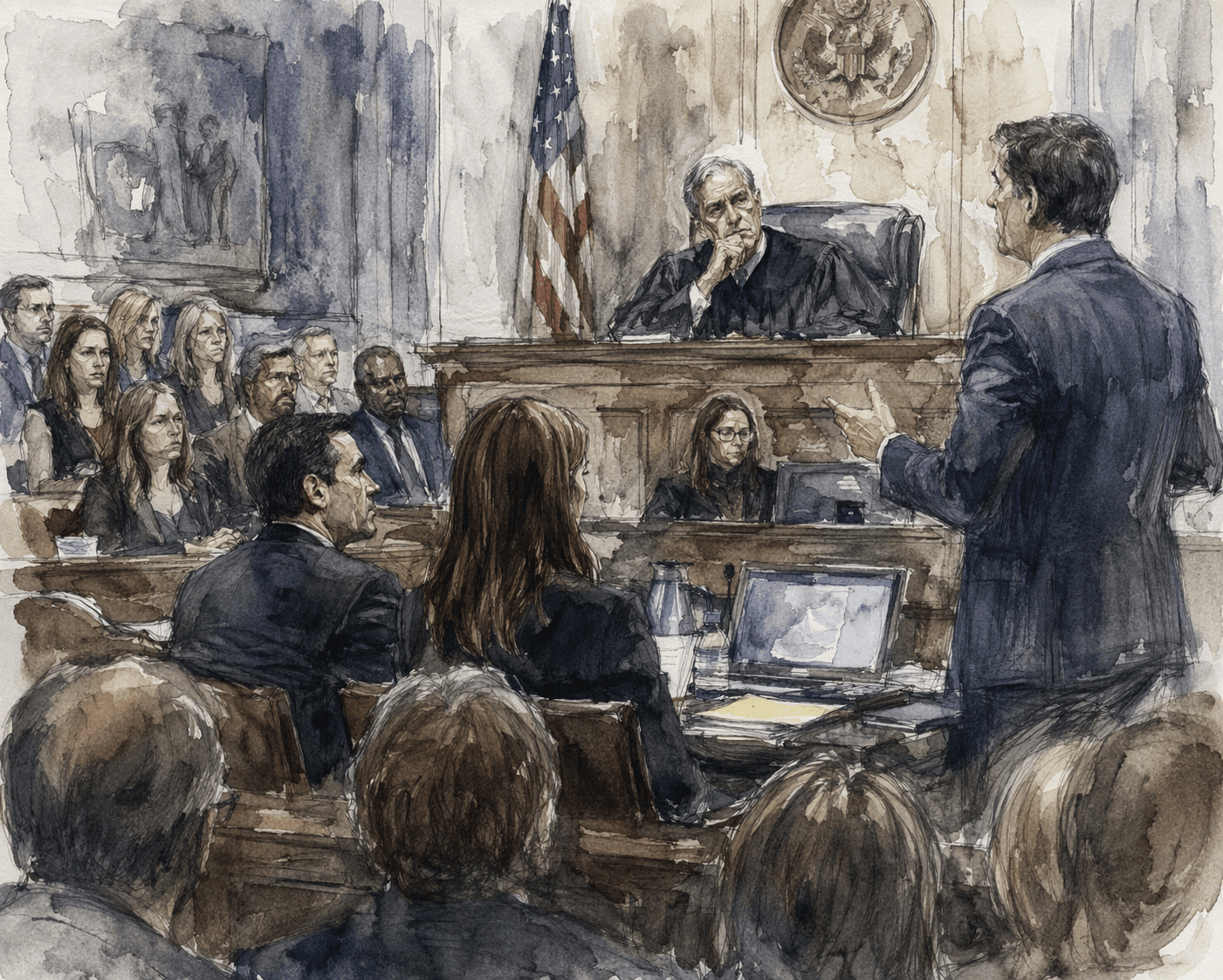
What it's about
The Supreme Court overturned the appeals court’s judgment and sent the case back for further proceedings (remanded).
The case concerns how federal courts should review state-court decisions when a prisoner claims his trial lawyers failed to provide effective legal help.
Question presented
Whether the Eleventh Circuit violated § 2254(d) by readily attributing error to the state court.
What the Court decided
Holding
4 * * * For the foregoing reasons, we grant the petition for a writ of certiorari, reverse the judgment of the Court of Appeals, and remand the case for proceedings consistent with this opinion.
- Result
- Reversed
From the opinions
“No single type of evidence is a prerequisite to relief.”
What's next
The case returns to the lower court for proceedings consistent with the Supreme Court’s opinion (remanded). Whether Reeves ultimately wins his claim remains unresolved.
Documents
Opinions
Key filings
Docket activity
Case data updated: summary, question_presented, generation_metadata
New analysis added
AI analysis generated: Case Briefing
AI analysis generated: Decision Record
Case data updated: status, opinion_date
Show 2 moreShow fewer
Opinion added: opinion
Brief added: Petition
More questions
- What was Dunn v. Reeves about?
- It concerned whether the Eleventh Circuit gave too little respect to an Alabama court while reviewing Reeves’s claim about his trial lawyers.
- What did the Supreme Court do in Dunn v. Reeves?
- It overturned the Eleventh Circuit’s judgment and sent the case back for proceedings consistent with its opinion (remanded).
- Did the Court decide whether Reeves ultimately wins?
- No. The Court sent the case back, so the final result of Reeves’s claim remains unresolved.
- What happens next in Dunn v. Reeves?
- The case returns to the lower court for proceedings consistent with the Supreme Court’s opinion.
Sources
Primary materials plus reporting. Best-effort analysis: this explainer relies on a mix of primary materials and trusted secondary sources. Official filings and opinions remain authoritative.