Appeal review beyond trial records
Greer v. United States
In brief
The Supreme Court upheld the Eleventh Circuit's ruling: Greer had to make a sufficient argument that he would have offered proof he did not know he was a felon before he could win his appeal.
- Where it stands
- Decided
Decided 8-1 · June 14, 2021 · Opinion by Justice Kavanaugh
- What it’s about
- This case asked how federal appeals courts should handle unpreserved errors after Rehaif clarified that, in felon-in-possession cases, the government must prove the defendant knew he was a felon.
- Who it affects
- Appeals courts may consider a defendant's explanation on appeal rather than only the trial record. The defendant still must make a sufficient showing that he would have offered evidence he did not know he was a felon.
Summary: written with AI from the case record.
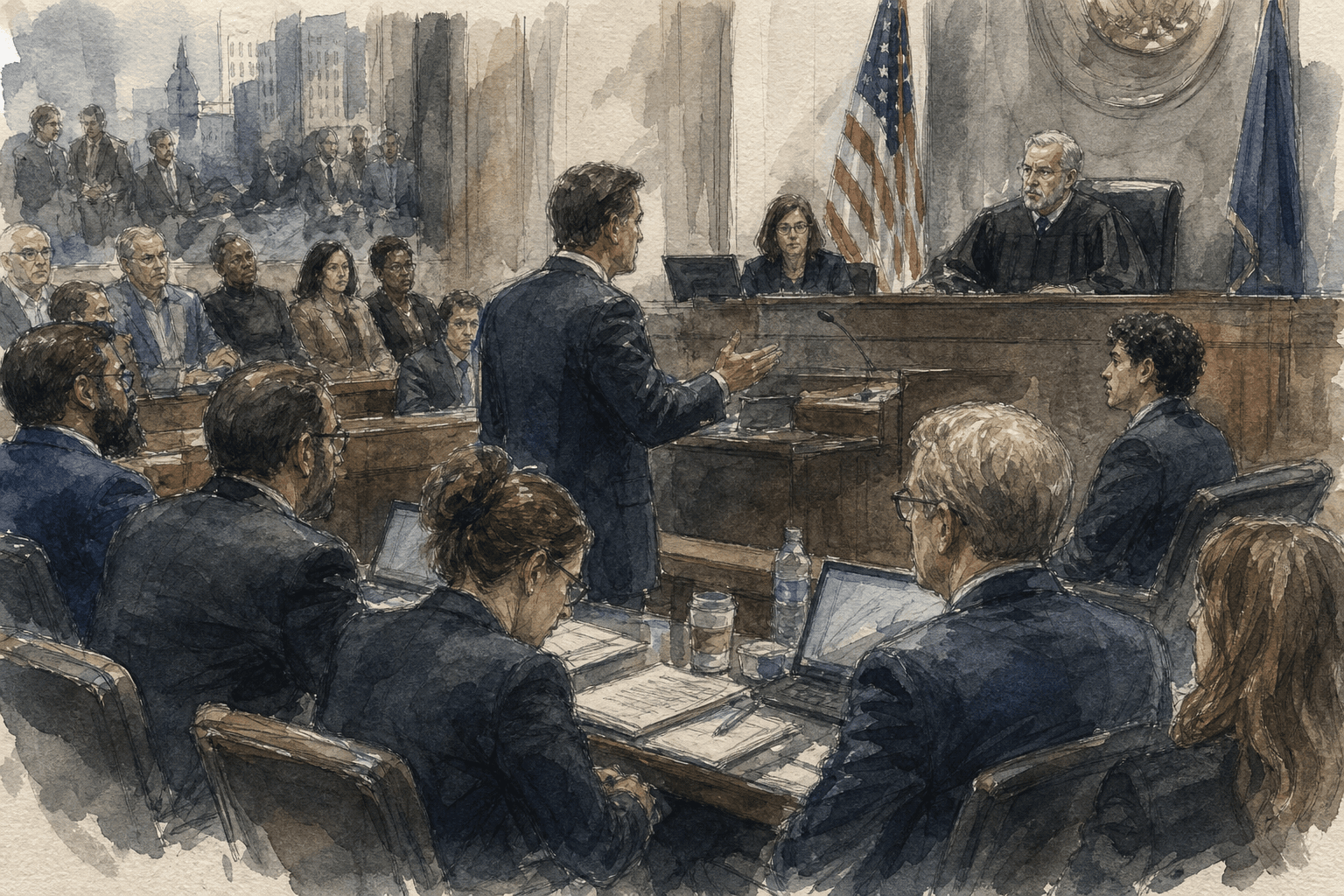
What it's about
The Court held that on plain-error review, an appellate court may look beyond the trial record, and a defendant is not entitled to relief without showing a reasonable probability that the outcome would have been different if the Rehaif error had not occurred.
Greer is part of the Court's broader rules for correcting federal criminal-trial mistakes that defendants did not raise when they had the chance.
Question presented
Whether when applying plain-error review based upon an intervening United States Supreme Court decision, a circuit court of appeals may review matters outside the trial record to determine whether the error affected a defendant’s substantial rights or impacted the fairness, integrity, or public reputation of the trial?
What the Court decided
Holding
In felon-in-possession cases, a Rehaif error is not a basis for plainerror relief unless the defendant first makes a sufficient argument or representation on appeal that he would have presented evidence at trial that he did not in fact know he was a felon. Under Rule 51(b) of the Federal Rules of Criminal Procedure, a defendant who has “an opportunity to object” to an alleged error and fails to do so forfeits the claim of error. If, as with Greer and Gary here, a defendant later raises the forfeited claim on appeal, Rule 52(b)’s plainerror standard applies. See Puckett v. United States, 556 U. S. 129, 135. To establish eligibility for plain-error relief, a defendant must show 483, affirmed
- Result
- Affirmed
The vote
What's next
The Eleventh Circuit's ruling stays in place. Federal appeals courts handling similar Rehaif claims not raised at trial will apply this framework, and defendants must explain what evidence they would have offered.
Documents
Docket activity
New analysis added
AI analysis generated: Case Briefing
New analysis added
AI analysis generated: Impact Analysis
AI analysis generated: Opinion Summary
Show 6 moreShow fewer
AI analysis generated: Decision Record
New analysis added
Case data updated: status, opinion_date
Opinion added: opinion
Brief added: Petition
Brief added: Questions Presented
More questions
- What did Greer v. United States decide?
- The Supreme Court upheld the lower-court ruling. It required defendants who failed to object to first show they would have offered proof they did not know they were felons.
- What was the Rehaif issue in Greer's case?
- Rehaif clarified that the government must prove a defendant knew he was a felon. Greer raised that issue after trial.
- Did the Court let appeals courts look beyond the trial record in Greer?
- Yes. An appeals court may consider the defendant's statement that he would have offered proof he did not know he was a felon.
- What happens next after Greer v. United States?
- The Eleventh Circuit's ruling stays in place. Federal appeals courts will apply the same framework to similar Rehaif claims not raised at trial.
Sources
Primary materials plus reporting. Best-effort analysis: this explainer relies on a mix of primary materials and trusted secondary sources. Official filings and opinions remain authoritative.