State subpoenas of presidents
Trump v. Vance
In brief
The Supreme Court said a sitting President cannot automatically stop this state criminal subpoena from being issued, upheld the appeals court's ruling, and sent the case back to the District Court (remanded).
- Where it stands
- Decided
Decided 7-2 · July 9, 2020 · Opinion by Chief Justice Roberts
- What it’s about
- This case was about whether a New York grand jury could subpoena President Trump’s personal financial records from his accounting firm while he was in office.
- Who it affects
- The decision means a sitting President cannot rely on automatic protection from a state criminal subpoena, and state prosecutors do not need a special, tougher standard under Article II or the Supremacy Clause.
Summary: written with AI from the case record.
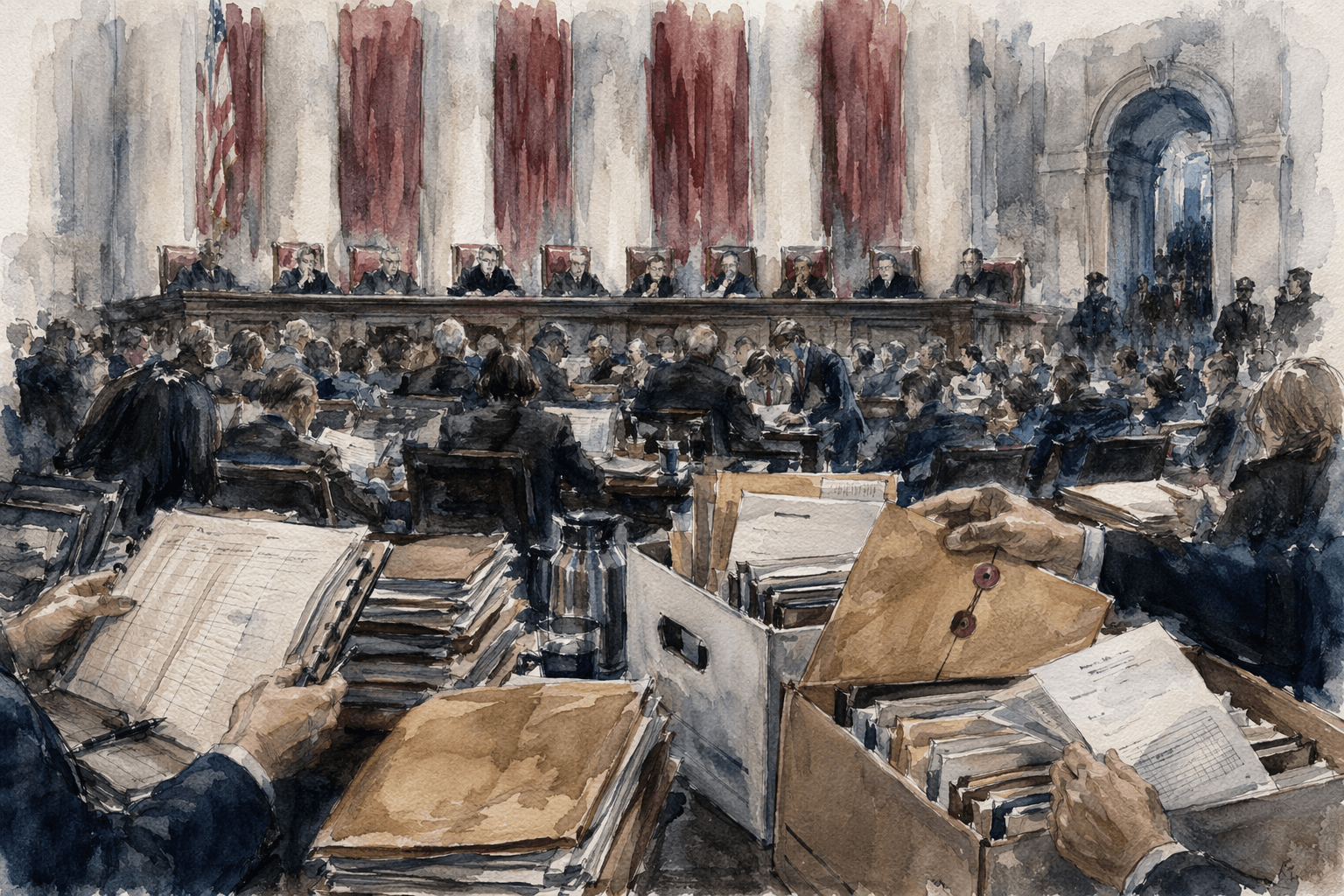
What it's about
The Supreme Court held that the President is not absolutely immune from this kind of state criminal subpoena and that prosecutors do not have to meet a special heightened standard just because the subpoena involves a sitting President.
The case tested the balance between a state's criminal investigation and a president's ability to perform the job without undue interference.
Question presented
Whether this subpoena violates Article II and the Supremacy Clause of the United States Constitution.
What the Court decided
Holding
Article II and the Supremacy Clause do not categorically preclude, or require a heightened standard for, the issuance of a state criminal subpoena to a sitting President. 941 F. 3d 631, affirmed and remanded.
- Result
- Affirmed
The vote
- Joined the judgment
- Concurred in a separate opinion
- Dissented
- Wrote an opinion
From the opinions
“I agree with the majority that the President is not entitled to absolute immunity from issuance of the subpoena.”
What's next
The case continues in the District Court. Trump may raise constitutional and legal objections to the subpoena there.
Why it matters
Trump could raise other constitutional and legal objections in the District Court.
Documents
Docket activity
New analysis added
AI analysis generated: Impact Analysis
AI analysis generated: Opinion Summary
New analysis added
AI analysis generated: Case Briefing
Show 5 moreShow fewer
AI analysis generated: Decision Record
Case data updated: status, opinion_date
Opinion added: opinion
Brief added: Petition
Brief added: Questions Presented
More questions
- What did Trump v. Vance decide?
- It decided that Article II and the Supremacy Clause do not automatically block a state grand-jury subpoena seeking a sitting President's records. They also do not require a special, tougher standard.
- Did the Supreme Court completely resolve whether the subpoena could be enforced?
- No. The Court rejected automatic protection from the subpoena but sent the case back to the District Court (remanded), leaving other constitutional and legal objections unresolved.
- Who wrote the opinions in Trump v. Vance?
- Chief Justice Roberts wrote the Court's opinion, signed by Justices Ginsburg, Breyer, Sotomayor, and Kagan. Kavanaugh wrote a separate opinion agreeing with the result; Gorsuch signed it, while Thomas and Alito filed opposing opinions.
Sources
Primary materials plus reporting. Best-effort analysis: this explainer relies on a mix of primary materials and trusted secondary sources. Official filings and opinions remain authoritative.