Factual errors on appeal
Davis v. United States
In brief
The Court wiped out (vacated) the Fifth Circuit’s ruling and sent the case back to that court (remanded it), leaving the final sentence arrangement unresolved.
- Where it stands
- Decided
Decided · March 23, 2020 · Per curiam
- What it’s about
- The Court agreed to hear Charles Earl Davis’s challenge over whether factual errors can be reviewed under the plain-error rule, which lets an appeals court correct certain errors not raised at trial.
- Who it affects
- The Fifth Circuit’s ruling no longer controls this case, and that court must reconsider Davis’s challenge. The opinion says Davis satisfied the plain-error standard, but the final sentence arrangement remains unresolved.
Summary: written with AI from the case record.
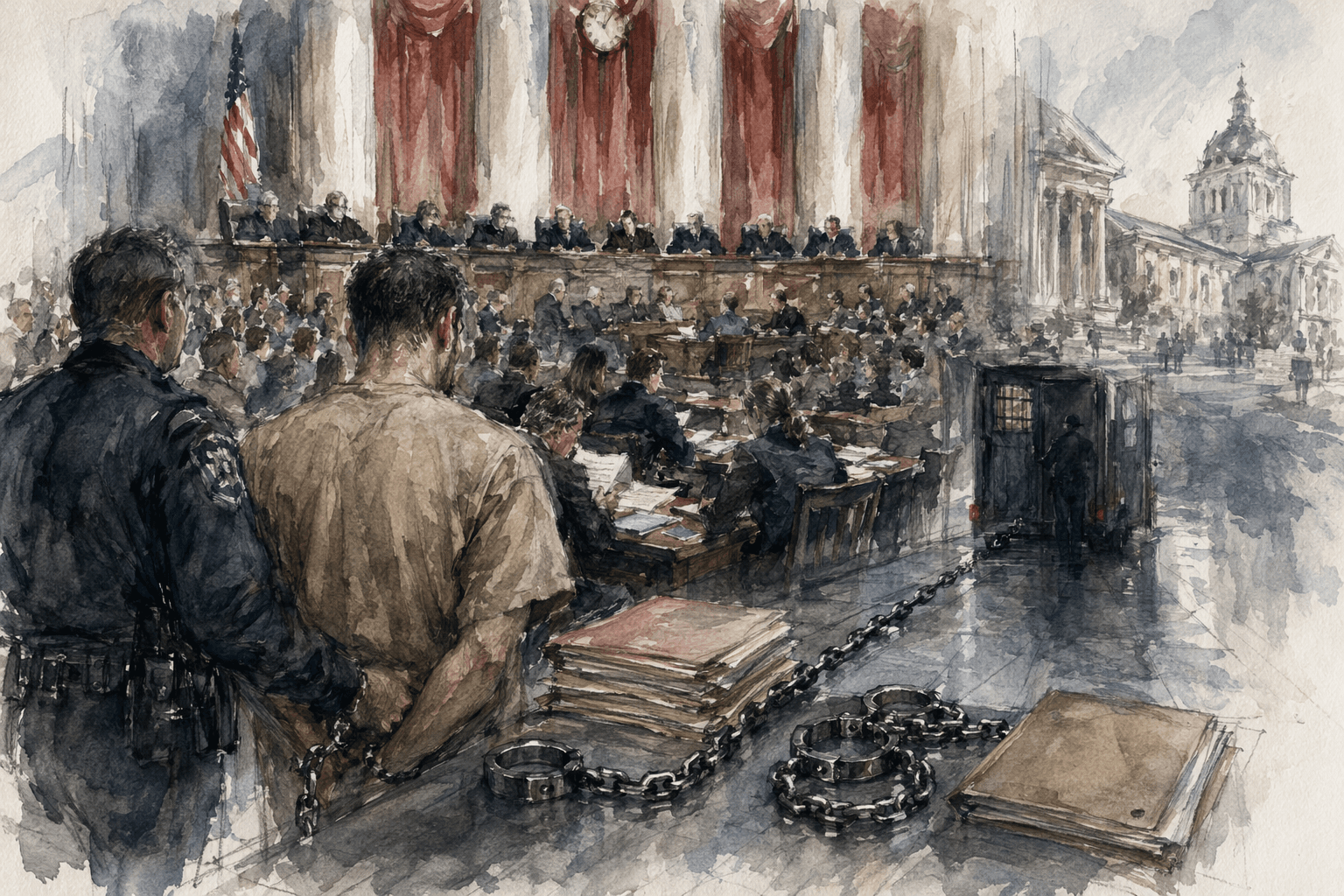
What it's about
It wiped out the Fifth Circuit’s judgment (vacated it) and sent the case back for further proceedings (remanded), without deciding whether Davis met that rule.
At a broader level, the case concerns how federal sentencing rules interact with limits on correcting mistakes during an appeal.
Question presented
Whether factual error is categorically immune from plain error review?
What the Court decided
Holding
The petition for certiorari and the motion for leave to proceed in forma pauperis are granted, the judgment of the Fifth Circuit is vacated, and the case is remanded for further proceedings consistent with this opinion.
- Result
- Vacated
What's next
The Fifth Circuit will take further steps under the Supreme Court’s instructions. The record does not state whether Davis’s federal sentence will run at the same time as or after the state sentence.
Documents
Opinions
Key filings
Docket activity
Case data updated: summary, question_presented, generation_metadata
New analysis added
AI analysis generated: Case Briefing
New analysis added
AI analysis generated: Decision Record
Show 3 moreShow fewer
Case data updated: status, opinion_date
Opinion added: opinion
Brief added: Petition
More questions
- What was Davis v. United States about?
- It concerned whether the Sentencing Guidelines required Davis’s federal sentence to run at the same time as a related state sentence not yet imposed. It also asked whether factual mistakes are barred from plain-error review.
- What did the Supreme Court do in Davis?
- It agreed to hear the case, wiped out the Fifth Circuit’s ruling (vacated it), and sent the case back for further proceedings (remanded it).
- Did the Supreme Court decide how Davis’s sentence must run?
- No final sentence arrangement was set. The case remains for further proceedings in the Fifth Circuit.
- What happens next for Davis?
- The Fifth Circuit will continue the case under the Supreme Court’s instructions. The record does not state whether his federal sentence will run at the same time as or after the state sentence.
Sources
Primary materials plus reporting. Best-effort analysis: this explainer relies on a mix of primary materials and trusted secondary sources. Official filings and opinions remain authoritative.