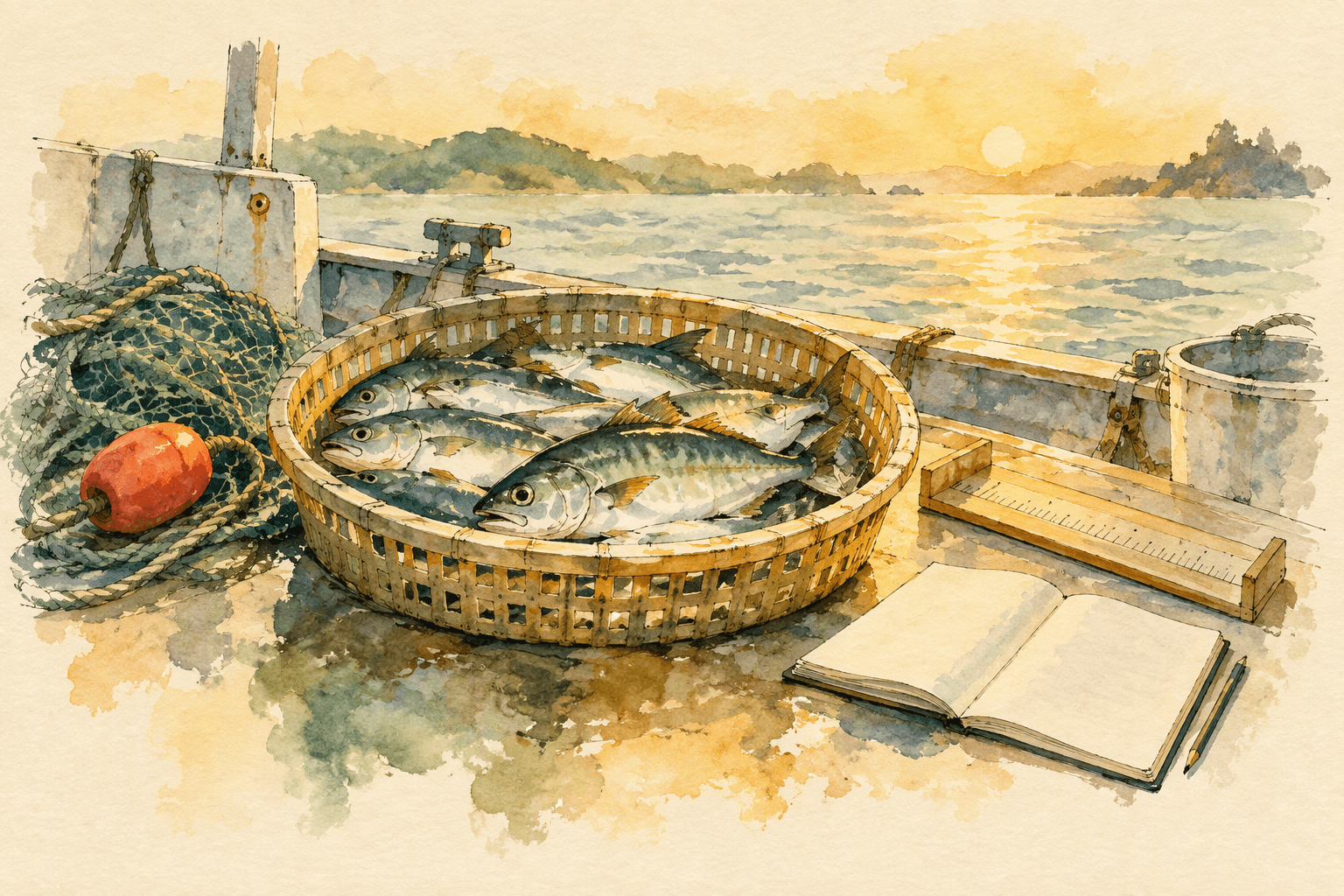
Destroying fish during investigations
Yates v. United States
In brief
The Court defined Section 1519’s “tangible object” as an item used to record or preserve information, overturned the Eleventh Circuit’s ruling and sent Yates’s case back.
- Where it stands
- Decided
Decided 5-4 · February 25, 2015 · Opinion by Justice Ginsburg
- What it’s about
- John Yates’s case asked whether fish count as “tangible objects” under a federal law against destroying evidence to obstruct an investigation.
- Who it affects
- The ruling defines “tangible object” under Section 1519 as an object used to record or preserve information in Yates’s case.
Summary: written with AI from the case record.
What it's about
The Supreme Court overturned the Eleventh Circuit’s judgment and sent the case back to the lower court (remanded); four justices said the term means objects used to record or preserve information, while Justice Alito agreed with the result for narrower reasons.
Section 1519 is a federal law that bars destroying or concealing records or other objects to obstruct a government investigation.
Question presented
Are fish considered "tangible objects" for the purpose of the statute that makes it a crime to destroy or conceal tangible objects to impede a governmental investigation, even though the term is undefined and exists in a statute that largely refers to record-keeping documents?
What the Court decided
Holding
The judgment is reversed, and the case is remanded. 733 F. 3d 1059, reversed and remanded. JUSTICE GINSBURG, joined by THE CHIEF JUSTICE, JUSTICE BREYER, and JUSTICE SOTOMAYOR, concluded that a “tangible object” within §1519’s compass is one used to record or preserve information. Pp. 6– 20.
- Result
- Reversed
The Court's reasoning
Justice Ginsburg’s opinion concluded that “tangible object” means an object used to record or preserve information. Justice Alito agreed with the result for narrower reasons, relying on the law’s lists of nouns and verbs and its title.
The vote
- Joined the judgment
- Concurred in a separate opinion
- Dissented
- Wrote an opinion
- Concurring · 1agreed with the result, wrote separately
- Alitowrote separately
From the opinions
“The term “tangible object” is broad, but clear.”
What's next
The case returns to the Eleventh Circuit for further proceedings.
Documents
Opinions
Docket activity
New analysis added
AI analysis generated: Impact Analysis
AI analysis generated: Opinion Summary
New analysis added
AI analysis generated: Case Briefing
Show 4 moreShow fewer
AI analysis generated: Decision Record
Case data updated: summary, question_presented, generation_metadata
Case data updated: question_presented, extraction_metadata
Opinion added: Yates
Sources
Primary materials plus reporting. Best-effort analysis: this explainer relies on a mix of primary materials and trusted secondary sources. Official filings and opinions remain authoritative.