River water pollution
Los Angeles County Flood Control District v. Natural Resources Defense Council
In brief
The Court ruled that moving water between improved and unimproved parts of the same navigable waterway is not a Clean Water Act discharge, overturned the Ninth Circuit, and sent the case back.
- Where it stands
- Decided
Decided 9-0 · January 8, 2013 · Opinion by Justice Ginsburg
- What it’s about
- Environmental groups, including the Natural Resources Defense Council, challenged pollution attributed to Los Angeles County Flood Control District.
- Who it affects
- The District’s flow of water between improved and unimproved parts of the same navigable waterway cannot itself count as a Clean Water Act discharge.
Summary: written with AI from the case record.
What it's about
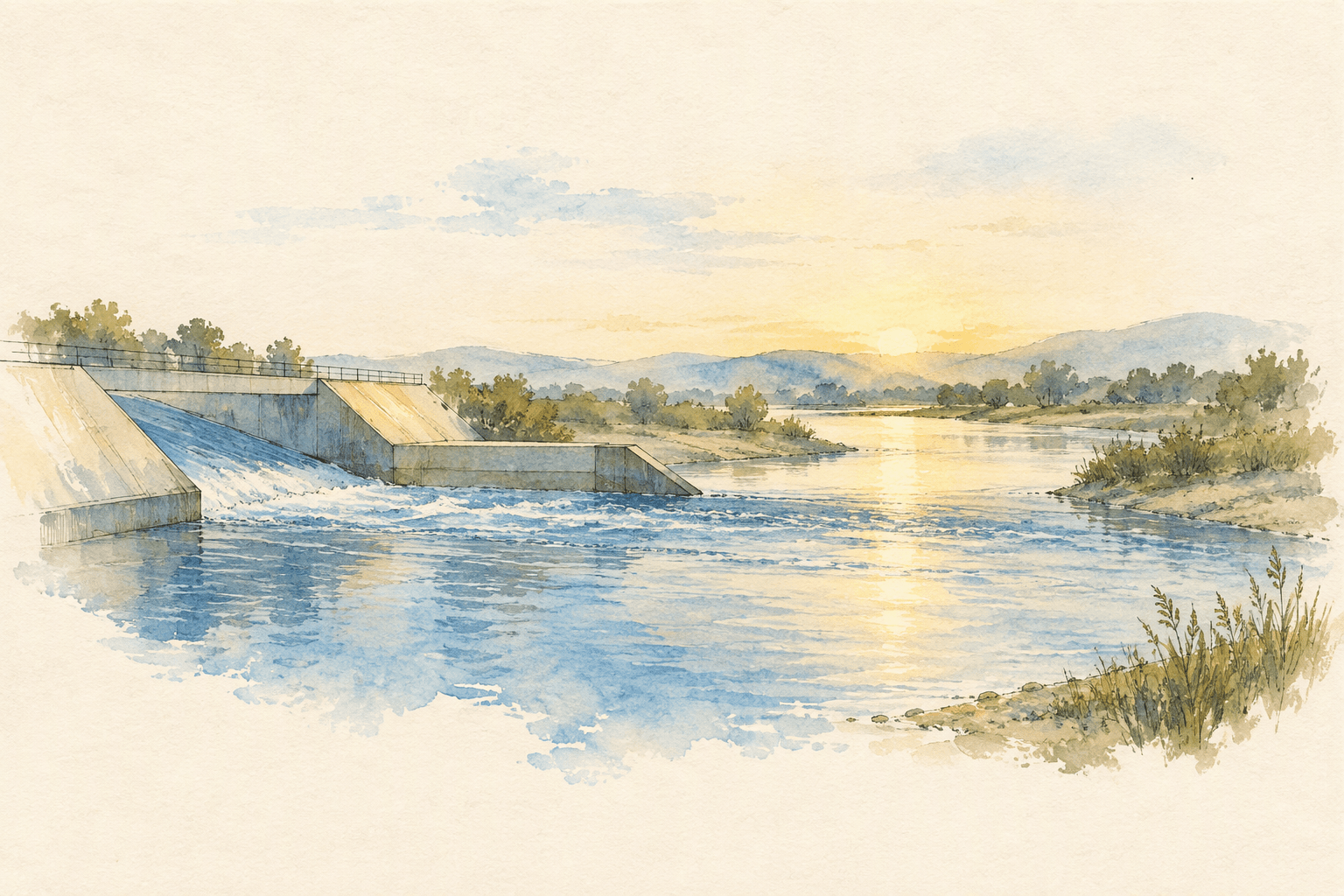
The Supreme Court ruled that water flowing from an improved part of a navigable waterway into an unimproved part of the same waterway is not a “discharge of a pollutant” under the Clean Water Act; it overturned the Ninth Circuit’s ruling and sent the case back to the lower court (remanded).
The dispute centered on whether a storm-water control system moving polluted water within one waterway creates a pollutant release covered by the Clean Water Act.
Question presented
Can the transfer of water from one portion of a river to another portion via a manmade improvement for the purpose of controlling storm water runoff still be considered a "discharge" under the Clean Water Act?
What the Court decided
Holding
The flow of water from an improved portion of a navigable waterway into an unimproved portion of the same waterway does not qualify as a “discharge of a pollutant” under the CWA. See South Fla. Water Management Dist. v. Miccosukee Tribe, 541 U. S. 95, 109– 112 (holding that the transfer of polluted water between “two parts of the same water body” does not constitute a discharge of pollutants under the CWA). The Ninth Circuit’s decision cannot be squared with this holding. 673 F. 3d 880, reversed and remanded.
- Result
- Reversed
The Court's reasoning
The Court relied on an earlier decision that moving polluted water between two parts of the same water body is not a Clean Water Act discharge. It said the Ninth Circuit’s ruling conflicted with that rule.
The vote
- Joined the judgment
- Concurred in a separate opinion
- Wrote an opinion
- Majority · 8joined the Court's opinion
- Concurring · 1agreed with the result, wrote separately
- Alitowrote separately
What's next
The Ninth Circuit will take up the case again under the Supreme Court’s ruling. The Supreme Court decided only whether this flow within one waterway counts as a discharge.
Documents
Opinions
Audio
Docket activity
New analysis added
AI analysis generated: Impact Analysis
New analysis added
AI analysis generated: Case Briefing
AI analysis generated: Opinion Summary
Show 5 moreShow fewer
AI analysis generated: Decision Record
Case data updated: summary, question_presented, generation_metadata
Case data updated: question_presented, extraction_metadata
Audio Recording added: Oral Arguments - Los Angeles County Flood Control District v. Natural Resources Defense Council, Inc.
Opinion added: Flood Control
Sources
Primary materials plus reporting. Best-effort analysis: this explainer relies on a mix of primary materials and trusted secondary sources. Official filings and opinions remain authoritative.