Lawsuits over climate pollution
American Electric Power v. Connecticut
In brief
The Clean Air Act and EPA action block this federal judge-made-law route to emissions limits; the Court overturned the appeals court and sent the case back.
- Where it stands
- Decided
Decided 8-0 · June 20, 2011 · Opinion by Justice Ginsburg
- What it’s about
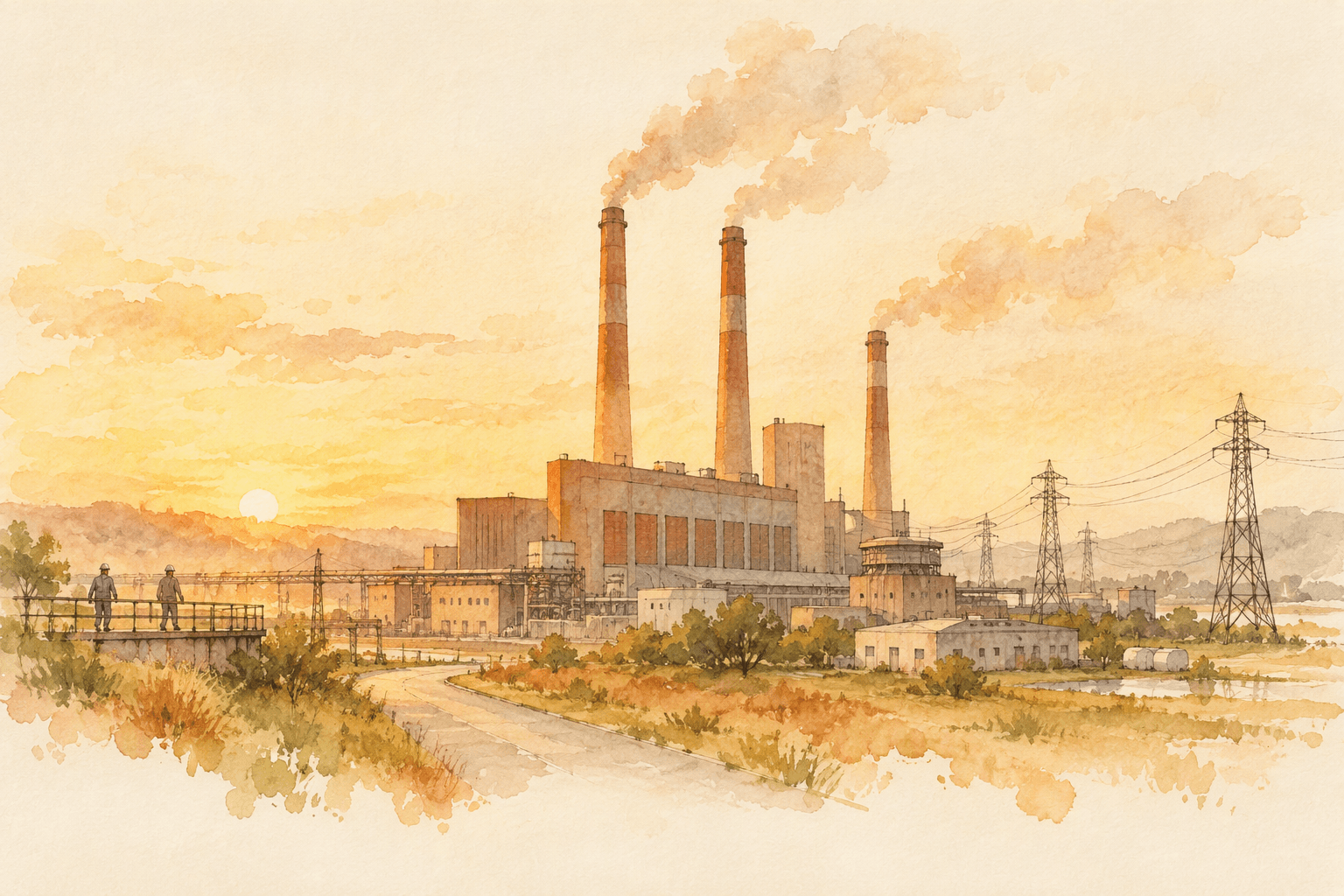
- Eight states, New York City, and three conservation groups sued electric utilities, alleging their carbon dioxide emissions contributed to climate change and asking courts to limit them.
- Who it affects
- The ruling forecloses the plaintiffs’ federal judge-made-law claim for court-ordered emissions cuts from fossil-fuel power plants.
Summary: written with AI from the case record.
What it's about
The Supreme Court ruled that the Clean Air Act and EPA action under it bar a federal judge-made-law claim to curb those emissions, overturned the appeals court’s ruling (reversed), and sent the case back to it (remanded).
The Clean Air Act authorizes federal regulation of carbon dioxide and other greenhouse-gas emissions.
Question presented
1. Can states and private parties seek to curb emissions on utilities for their alleged contribution to global climate change? 2. Can a cause of action to reduce carbon dioxide emissions be implied under federal common law?
What the Court decided
Holding
The Clean Air Act and the EPA action the Act authorizes displace any federal common-law right to seek abatement of carbondioxide emissions from fossil-fuel fired power plants. 582 F. 3d 309, reversed and remanded.
- Result
- Reversed
The Court's reasoning
The Court decided that the Clean Air Act and the EPA action it authorizes rule out federal judge-made-law claims seeking to curb carbon dioxide emissions from fossil-fuel power plants.
The vote
What's next
The case returns to the Second Circuit, which must apply the Supreme Court’s ruling in further proceedings.
Documents
Opinions
Audio
Docket activity
New analysis added
AI analysis generated: Impact Analysis
AI analysis generated: Opinion Summary
New analysis added
AI analysis generated: Case Briefing
Show 5 moreShow fewer
AI analysis generated: Decision Record
Case data updated: summary, question_presented, generation_metadata
Case data updated: question_presented, extraction_metadata
Audio Recording added: Oral Arguments - American Electric Power Company, Inc. v. Connecticut
Opinion added: American Elec. Power
More questions
- Did the Court decide whether the utilities’ emissions contributed to climate change?
- No. The Court resolved whether federal judge-made law could support the requested limits, not the plaintiffs’ allegation about the emissions’ climate effects.
Sources
Primary materials plus reporting. Best-effort analysis: this explainer relies on a mix of primary materials and trusted secondary sources. Official filings and opinions remain authoritative.