No. 25-1403October Term 2025Before Arguments

Docket 25-1403October Term 2025 (2025–2026)

Lina Noland, et al., Petitioners v. Federal Trade Commission

from the United States Court of Appeals for the Ninth Circuit.

Case status

Current stage
Before Arguments
Latest event
Accepted by the Court
Decision timing
No window until argument is scheduled.
Case AcceptedUpcoming
Arguments AheadUpcoming
Decision ReleasedUpcoming
What it's about

from the United States Court of Appeals for the Ninth Circuit.

Question presented

1. Whether, after AMG Capital Management, LLC v. FTC and Loper Bright Enterprises v. Raimondo, the Federal Trade Commission may preserve an ex parte Section 13(b) asset freeze and receivership and obtain a revenue-based, multi-million-dollar monetary judgment through civil contempt where the judgment functions as restitution or disgorgement, is not tied to identified sustained losses, and the only rule-violation damages awarded under Section 19 were $6,829. 2. Whether the Seventh Amendment and due process permit a federal agency to obtain a $7,306,873.14 revenue-based monetary sanction, labeled civil compensatory contempt, through a bench proceeding where the sanction operates as a legal money judgment rather than compensation for proven individualized losses and where the ex parte freeze impaired Petitioners' ability to fund and preserve a jury defense.

Case path

United States Court of Appeals for the Ninth Circuit / Accepted by the Court

Area

Administrative Law

Timing

Expected by late June 2026, if argued this term

The Court granted review but has not yet scheduled oral argument. Once argued, the median case reaches a decision in 94 days. Nearly all cases are decided by the end of the term in which they are argued.

The Court does not announce decision dates in advance.Argument and decision days

Briefing

What it's about

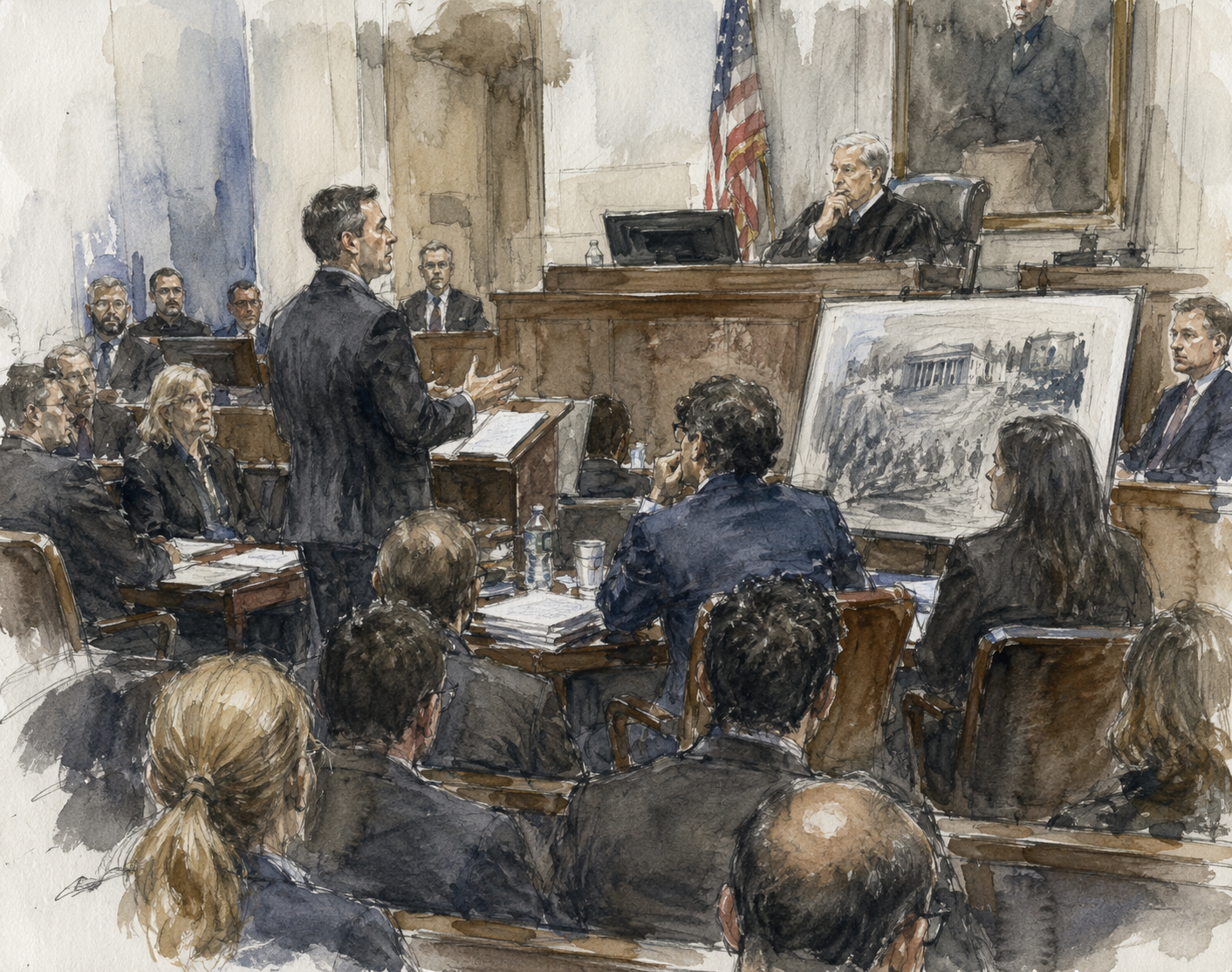
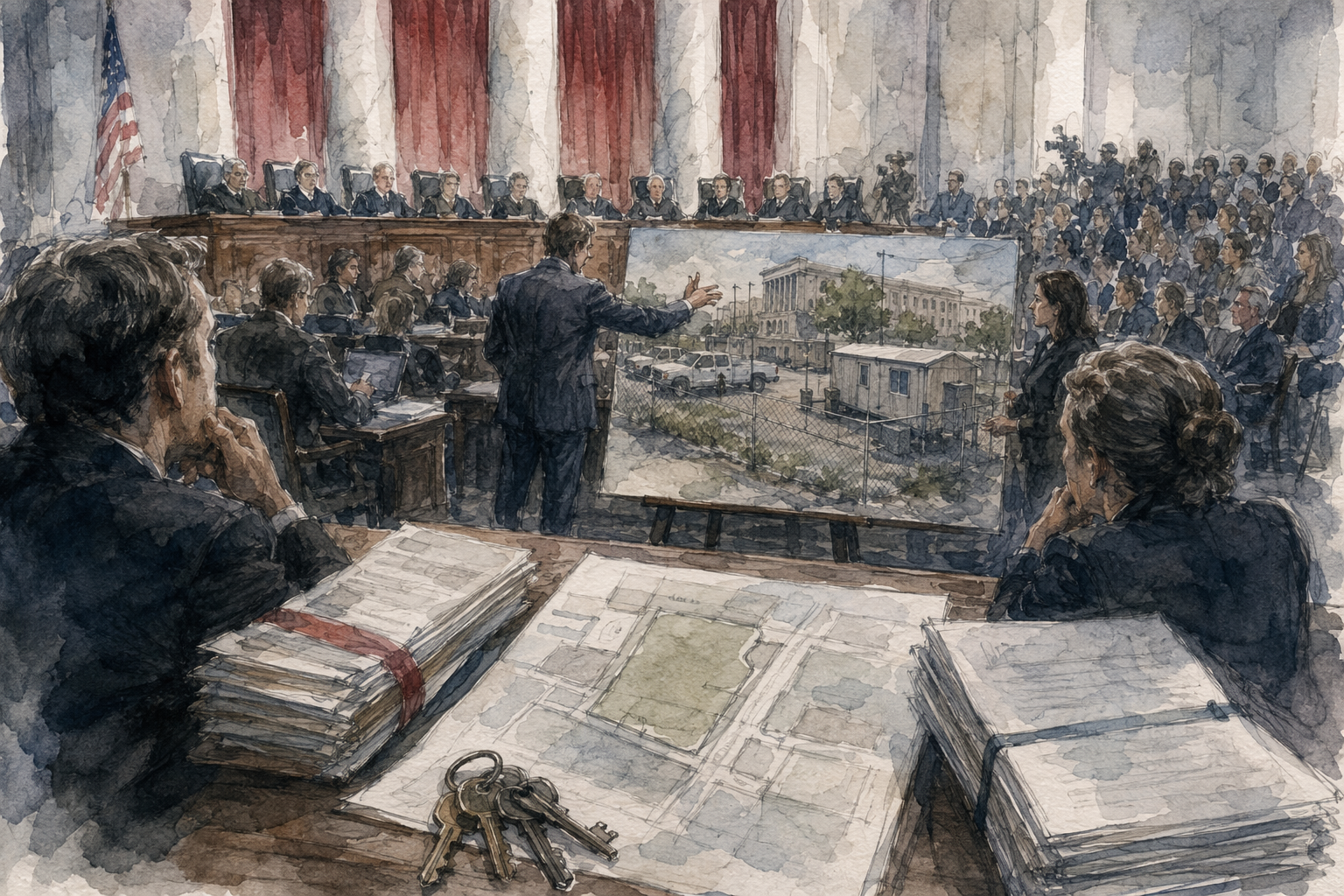
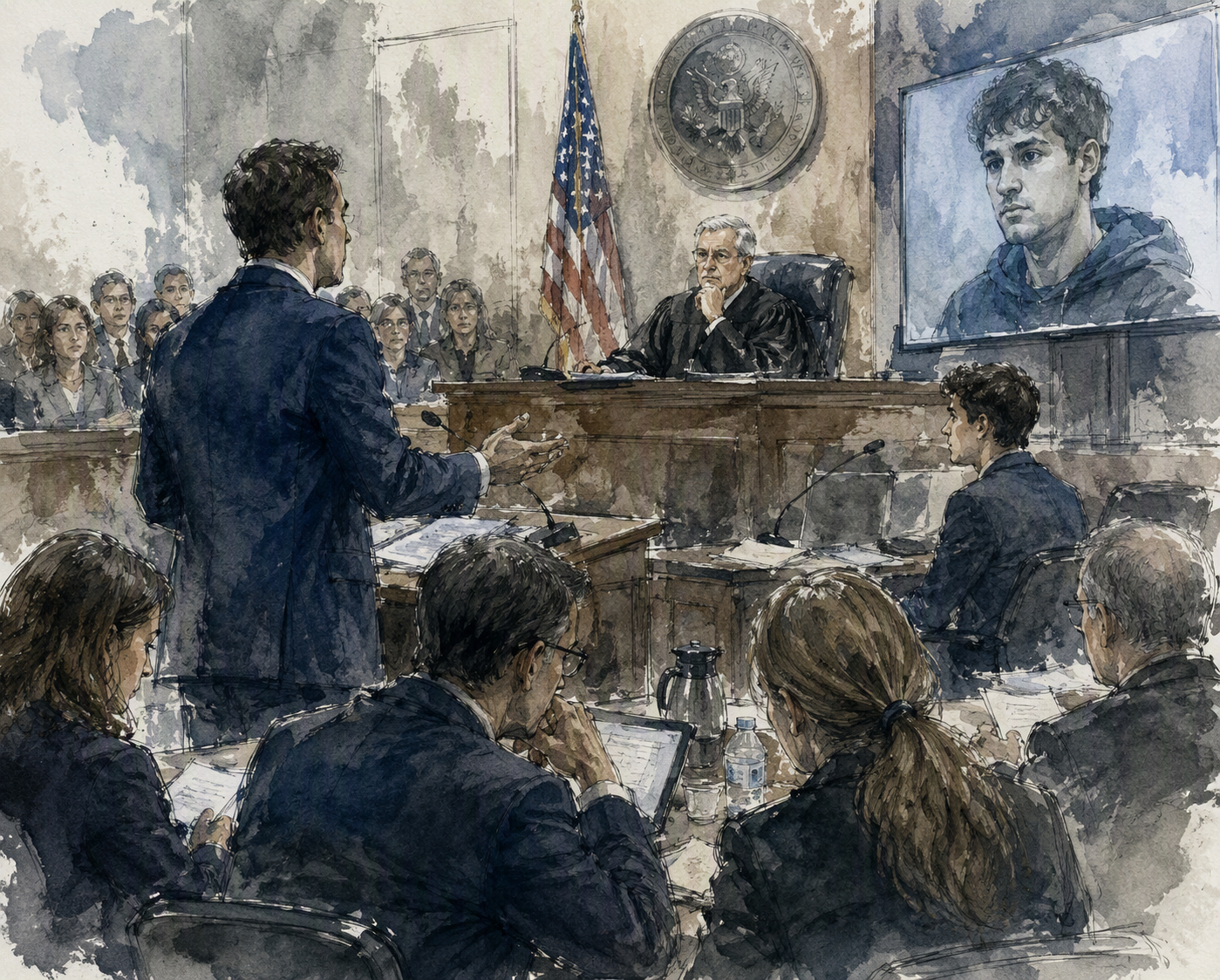
Lina Noland asks the Supreme Court to review whether the FTC may freeze assets without advance notice, keep a court-run manager in place, and then win a $7,306,873.14 contempt-based money judgment. The petition says that award acted like restitution or disgorgement, was not tied to proven individual losses, was imposed by a judge rather than a jury, and far exceeded the $6,829 awarded under another FTC provision.

Argument

The Court has not scheduled argument or decided the case. The petition asks whether the FTC can use contempt to preserve an asset freeze and obtain a $7,306,873.14 revenue-based sanction without a jury.

Impact

If the justices take the case, it could shape how the FTC seeks large money recoveries after earlier Supreme Court decisions limited some agency monetary remedies. That matters for people and businesses facing FTC cases, especially if their assets can be frozen early and a judge later sets a multi-million-dollar payment.

What is Lina Noland v. FTC about?

It asks whether the FTC can get a $7.3 million contempt-based money award after freezing assets without notice. The petition also says a judge-only process violated the right to a jury and due process.

Who could be affected if the Court takes Lina Noland v. FTC?

People and businesses targeted by FTC enforcement could be affected, especially if their assets are frozen early in a case. The case could influence how agencies seek large money sanctions after recent limits on agency power.

What happens next in Lina Noland v. FTC?

The justices must first decide whether to hear the case. No argument date or decision window is available yet.

Grounding

Grounding
Primary materials plus reporting.
Note
Best-effort analysis: this explainer relies on a mix of primary materials and trusted secondary sources. Official filings and opinions remain authoritative.
Checked
Jul 17, 2026
Primary materials5
Context reporting3