No. 25-1108October Term 2025Before Arguments
Christopher Zook, et al., Petitioners v. Scott Fuqua
from the United States Court of Appeals for the Tenth Circuit.
Case status
- Current stage
- Before Arguments
- Latest event
- Accepted by the Court
- Decision timing
- No window until argument is scheduled.
- What it's about
from the United States Court of Appeals for the Tenth Circuit.
Question presented
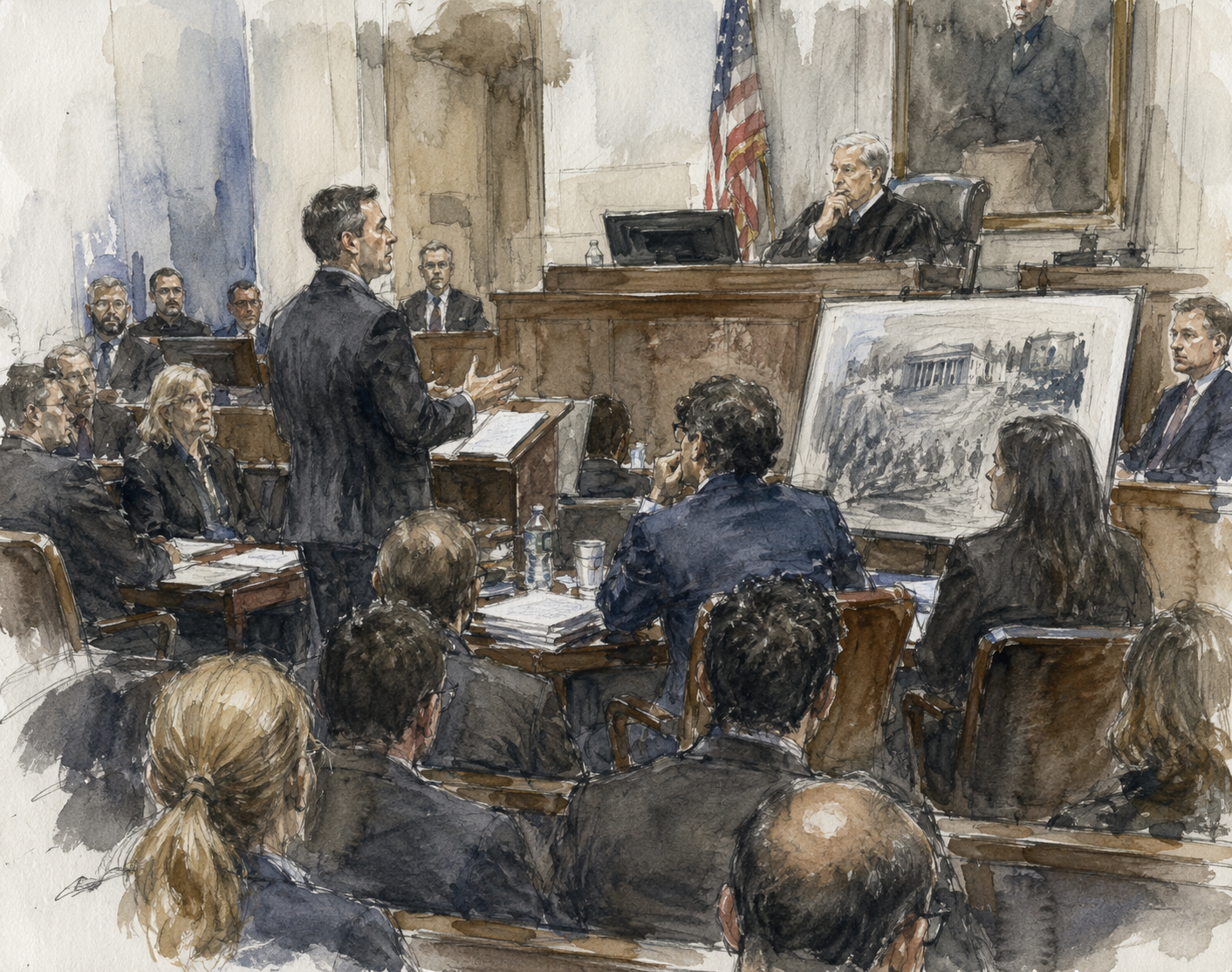
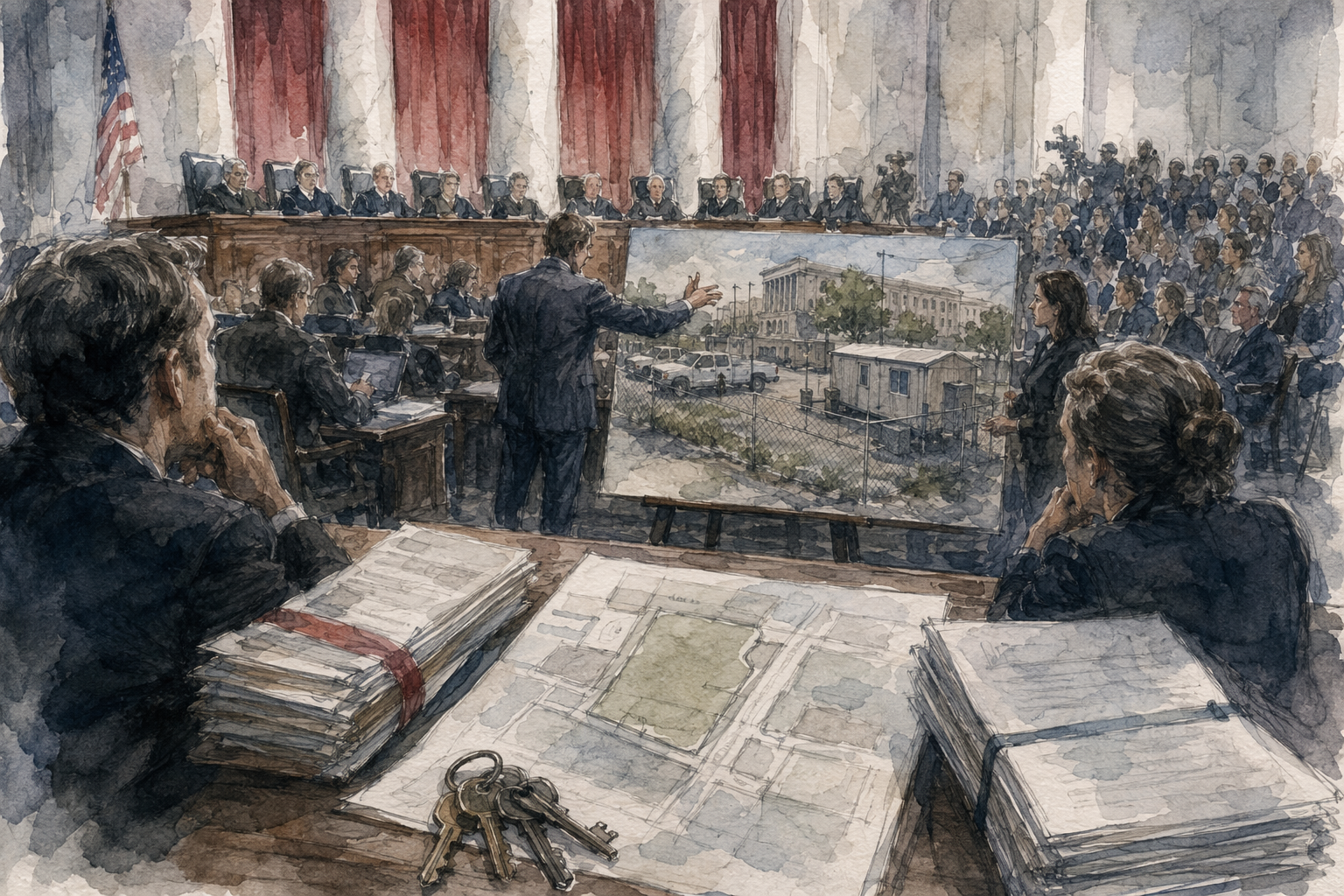
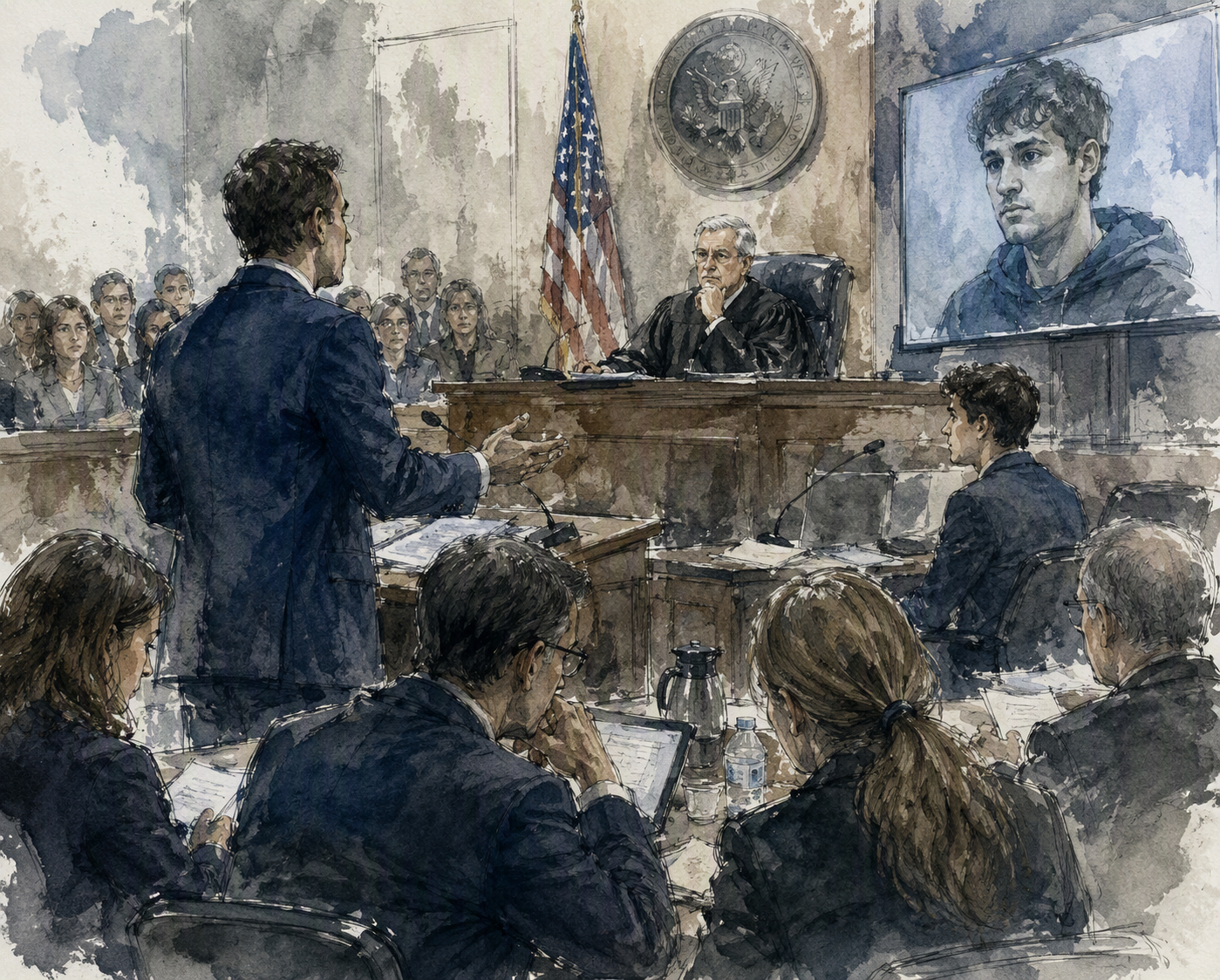
1. Whether a district court may, or must, consider objective video evidence at the motion-to-dismiss stage when that evidence is central to the complaint and blatantly contradicts or utterly discredits the allegations of a plaintiff's complaint in a 42 U.S.C. § 1983 excessive-force action, given a circuit split between the Sixth and Eleventh Circuits (which permit consideration of such videos) and the Tenth Circuit (which does not)? 2. Whether a § 1983 plaintiff can satisfy the plausibility standard of Ashcroft v. Iqbal, 556 U.S. 662 (2009), and Bell Atlantic Corp. v. Twombly, 550 U.S. 544 (2007), by strategically omitting known facts, here, that the decedent fled the police in a reckless manner by vehicle, fired a weapon at officers just prior to being shot, and was running toward an occupied civilian vehicle at the time of the shooting, when including those facts would defeat the claim? 3. Whether Tennessee v. Garner, 471 U.S. 1 (1985), standing alone, clearly establishes a Fourth Amendment violation sufficient to defeat qualified immunity at the pleading stage in a factually complex officer-involved shooting in which the decedent had moments earlier fired a weapon at officers, ignored repeated commands, and fled toward an occupied civilian vehicle, contrary to this Court's repeated instructions that clearly established law must be defined with specificity and particularity to the facts of the case?
- Case path
United States Court of Appeals for the Tenth Circuit / Accepted by the Court
- Area
Criminal Procedure
Timing
Expected by late June 2026, if argued this term
The Court granted review but has not yet scheduled oral argument. Once argued, the median case reaches a decision in 94 days. Nearly all cases are decided by the end of the term in which they are argued.
Related cases

Grounding
- Grounding
- Primary-source trail available.
- Note
- Plain-English explainer. Official filings and opinions remain authoritative.
- Checked
- Sep 1, 2026
- Method
- Methodology