Expert affidavits in federal court
Berk v. Choy
In brief
Delaware's expert-affidavit rule cannot require dismissal of a medical-malpractice complaint in federal court.
- Where it stands
- Decided
Decided 9-0 · January 20, 2026 · Opinion by Justice Barrett
- What it’s about
- The Court unanimously reversed and remanded a Third Circuit decision. Justice Barrett authored the 9-0 opinion addressing procedural requirements in federal litigation.
- Who it affects
- Medical-malpractice plaintiffs in Delaware federal court will not have their cases dismissed solely because they did not file Delaware's required expert affidavit. This matters, for example, to a patient suing a Delaware health-care provider in federal court.
Summary: written with AI from the case record.
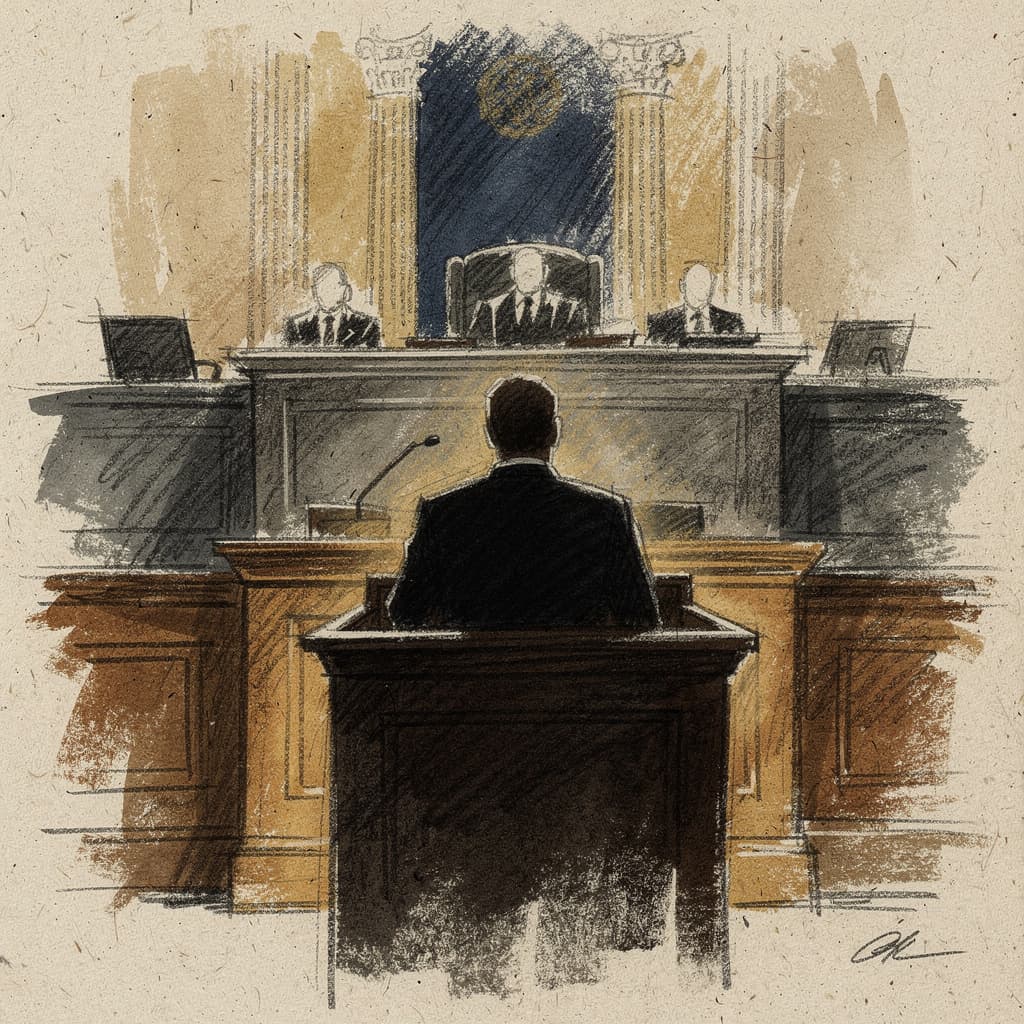
What it's about
The decision addresses when federal courts use state procedural requirements in lawsuits based on state-law claims.
Question presented
Must a Delaware law providing that a complaint must be dismissed unless it is accompanied by an expert affidavit be enforced by a federal court sitting in diversity?
What the Court decided
The vote
From the opinions
““Delaware’s affidavit law does not apply in federal court.””
What's next
The case returns to the lower courts for further proceedings consistent with the Court's decision. Federal courts handling similar Delaware medical-malpractice cases must not enforce the affidavit requirement as a basis for dismissal.
Docket activity
New analysis added
AI analysis generated: Impact Analysis
AI analysis generated: Opinion Summary
New analysis added
AI analysis generated: Case Briefing
Show 7 moreShow fewer
New analysis added
New analysis added
Judgment Issued.
Judgment REVERSED and case REMANDED. Barrett, J., delivered the opinion of the Court, in which Roberts, C. J., and Thomas, Alito, Sotomayor, Kagan, Gorsuch, and Kavanaugh, JJ., joined. Jackson, J., filed an opinion concurring in the judgment.
Opinion added: Opinion of the Court - AB
Opinion added: opinion
Audio Recording added: Oral Arguments - Berk
More questions
- What did the Supreme Court rule in Berk v. Choy?
- The Court ruled that Delaware's expert-affidavit requirement does not apply in federal court. It reversed the Third Circuit.
- Who is affected by the Berk v. Choy decision?
- Medical-malpractice plaintiffs and defendants in Delaware federal court are affected. Plaintiffs cannot have a case dismissed solely for lacking Delaware's expert affidavit.
- What happens next in Berk v. Choy?
- The case returns to the lower courts for further proceedings. Those courts must apply the Supreme Court's decision on Delaware's affidavit requirement.
Sources
Primary materials plus reporting. Best-effort analysis: this explainer relies on a mix of primary materials and trusted secondary sources. Official filings and opinions remain authoritative.