CIA secrets in court
United States v. Zubaydah
In brief
The Supreme Court overturned the Ninth Circuit’s judgment and sent the case back to the lower court (reversed and remanded); the testimony request’s next step is for the lower court to handle.
- Where it stands
- Decided
Decided 6-3 · July 13, 2022 · Opinion by Justice Breyer
- What it’s about
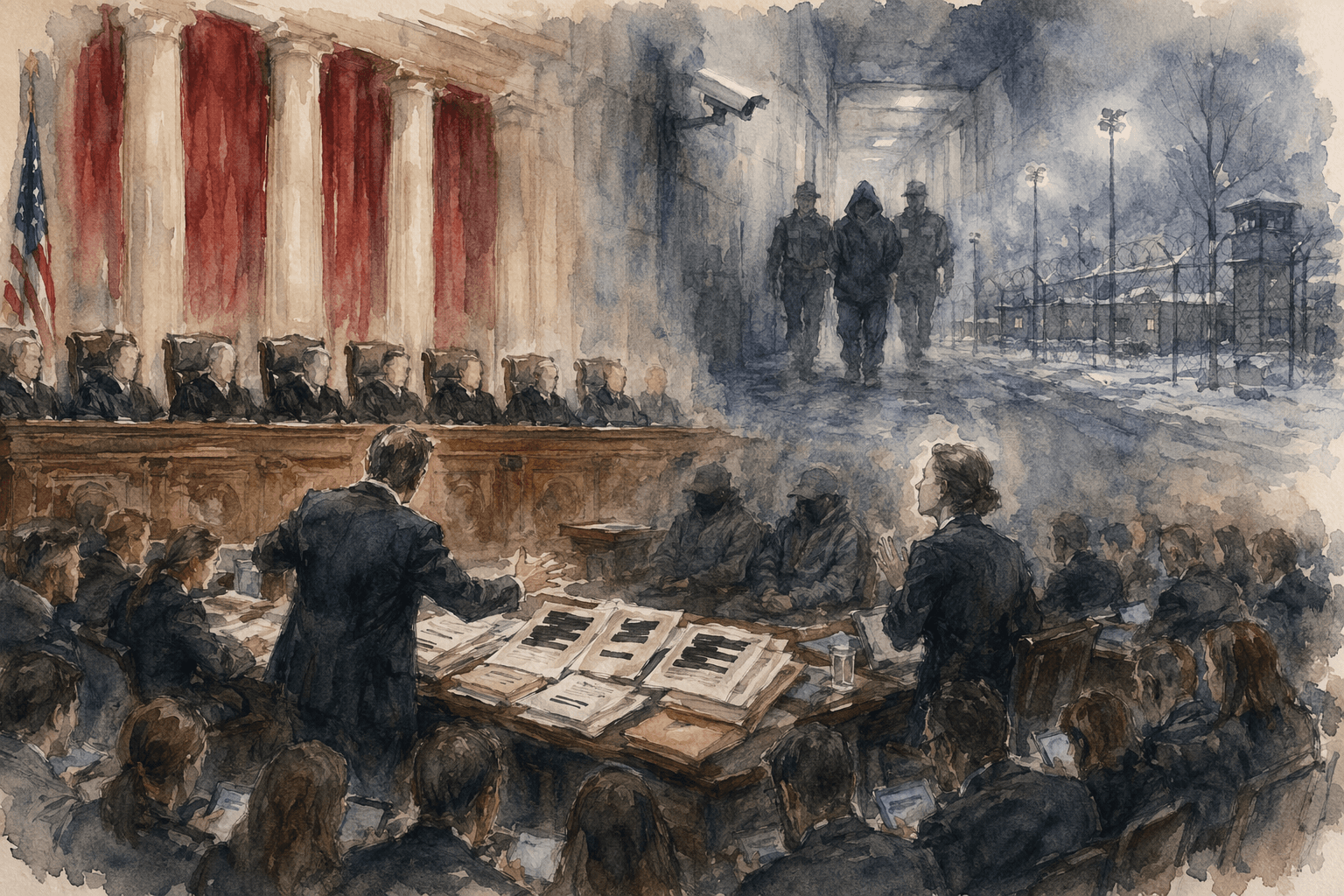
- This case was about whether Abu Zubaydah could obtain testimony from former CIA contractors for use in a Polish investigation into his alleged mistreatment at a CIA site in Poland.
- Who it affects
- The Ninth Circuit’s judgment no longer controls, and the case returns for further proceedings. The disposition does not say what will happen to Zubaydah’s request for the contractors’ testimony.
Summary: written with AI from the case record.
What it's about
The United States argued that letting discovery go forward would reveal state secrets by confirming or denying the existence of a clandestine CIA facility there.
The case highlights the conflict between protecting alleged national-security secrets and seeking evidence about alleged CIA detention practices.
Question presented
Whether the court of appeals erred when it rejected the United States ’ assertion of the state-secrets privilege based on the court ’ s own assessment of potential harms to the national security, and required discovery to proceed further under 28 U.S.C. 1782(a) against former Central Intelligence Agency (CIA) contractors on matters concerning alleged clandestine CIA activities.
What the Court decided
Holding
The judgment is reversed, and the case is remanded. 938 F. 3d 1123, reversed and remanded.
- Result
- Reversed
The vote
- Joined the judgment
- Concurred in a separate opinion
- Dissented
- Wrote an opinion
- Majority · 4joined the Court's opinion
From the opinions
“There comes a point where we should not be ignorant as judges of what we know to be true as citizens.”
What's next
The lower court must take the next procedural steps after the Supreme Court sent the case back. The decision does not specify what will happen to Zubaydah’s request for the contractors’ testimony.
Documents
Docket activity
New analysis added
AI analysis generated: Case Briefing
New analysis added
AI analysis generated: Impact Analysis
AI analysis generated: Opinion Summary
Show 5 moreShow fewer
AI analysis generated: Decision Record
Case data updated: status, opinion_date
Opinion added: opinion
Brief added: Petition
Brief added: Questions Presented
More questions
- What did the Supreme Court do in United States v. Zubaydah?
- It overturned the Ninth Circuit’s judgment and sent the case back to the lower court (reversed and remanded).
- What was Abu Zubaydah seeking in United States v. Zubaydah?
- He sought testimony from former CIA contractors for a Polish investigation into alleged mistreatment at a CIA site in Poland.
- What remains unresolved after the Supreme Court’s ruling?
- The disposition does not say whether Zubaydah will obtain the former contractors’ testimony or what further lower-court steps will follow.
- What happens next in United States v. Zubaydah?
- The lower court will take the next procedural steps after the Supreme Court sent the case back. The decision does not specify whether the contractors will testify.
Sources
Primary materials plus reporting. Best-effort analysis: this explainer relies on a mix of primary materials and trusted secondary sources. Official filings and opinions remain authoritative.