Media ownership rules
FCC v. Prometheus Radio Project
In brief
The Supreme Court sided with the FCC, overturned the Third Circuit’s ruling, and allowed the three media-ownership changes to stand.
- Where it stands
- Decided
Decided 9-0 · April 1, 2021 · Opinion by Justice Thomas
- What it’s about
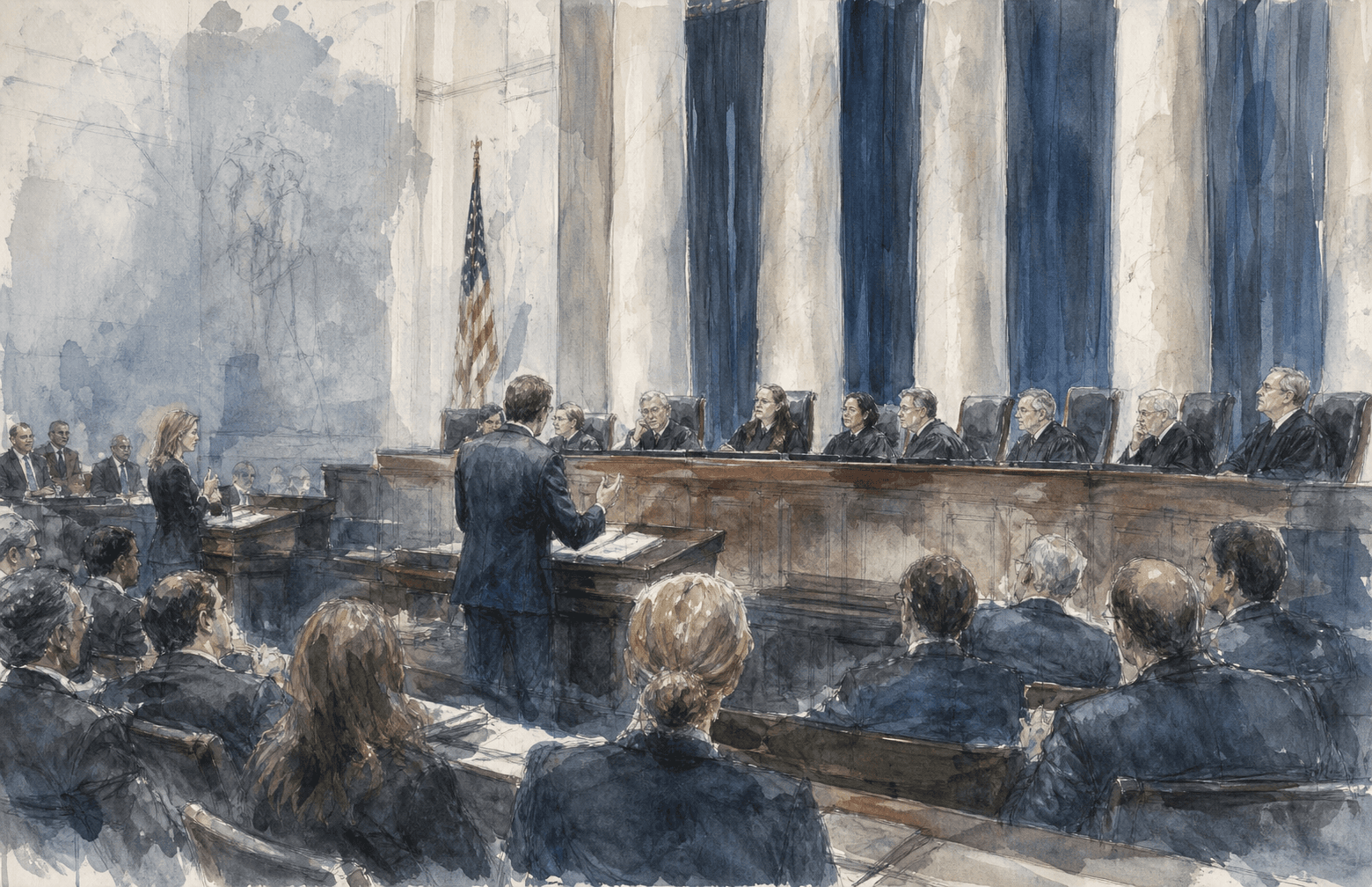
- This case was about the FCC’s decision to repeal or loosen several long-standing media ownership rules that limited common ownership of newspapers, radio stations, and television stations in the same market.
- Who it affects
- The ruling lets the FCC’s three changes stand instead of wiping them out under the federal law governing agency decisions.
Summary: written with AI from the case record.
What it's about
The dispute was whether the FCC reasonably concluded that changing those rules fit current market conditions and would not likely harm minority and female ownership.
At a broader level, the case asked how a communications regulator should update long-standing media-ownership limits as markets change while considering competition, localism, viewpoint diversity, and possible effects on minority and female ownership.
Question presented
Whether the court of appeals erred in vacating as arbitrary and capricious the FCC orders under review, which, among other things, relaxed the agency's cross-ownership restrictions to accommodate changed market conditions.
What the Court decided
Holding
The FCC’s decision to repeal or modify the three ownership rules —————— * Together with No. 19–1241, National Association of Broadcasters et al. v. Prometheus Radio Project et al., also on certiorari to the same court. was not arbitrary and capricious for purposes of the APA. In analyzing whether to repeal or modify its existing ownership rules, the FCC considered the record evidence and reasonably concluded that the three ownership rules at issue were no longer necessary to serve the agency’s public interest goals of competition, localism, and viewpoint diversity, and that the rule changes were not likely to harm minority and female ownership. 939 F. 3d 567, reversed.
- Result
- Reversed
The vote
What's next
The Supreme Court has finished this case. The FCC’s three rule changes can proceed without the overturned Third Circuit judgment blocking them.
Why it matters
It accepts the agency’s conclusion that the rules were no longer needed for competition, localism, and viewpoint diversity and were unlikely to harm minority and female ownership.
Documents
Docket activity
New analysis added
AI analysis generated: Impact Analysis
AI analysis generated: Opinion Summary
New analysis added
AI analysis generated: Case Briefing
Show 6 moreShow fewer
AI analysis generated: Decision Record
New analysis added
Case data updated: status, opinion_date
Opinion added: opinion
Brief added: Petition
Brief added: Questions Presented
More questions
- What was FCC v. Prometheus Radio Project about?
- It challenged the FCC’s decision to repeal or loosen three rules limiting common ownership of newspapers, radio stations, and television stations in one market.
- What did the Supreme Court decide?
- It sided with the FCC, overturned the Third Circuit’s ruling, and found the three changes were not arbitrary and capricious (unreasoned or unjustified).
- How did the decision affect the FCC’s media-ownership rules?
- The three rule changes can stand; the Supreme Court did not invalidate them under the federal law governing agency decisions.
- What happens next in FCC v. Prometheus Radio Project?
- The Supreme Court has finished the case, and the FCC’s three rule changes can proceed without the overturned Third Circuit judgment blocking them.
Sources
Primary materials plus reporting. Best-effort analysis: this explainer relies on a mix of primary materials and trusted secondary sources. Official filings and opinions remain authoritative.