Religious groups and public aid
Trinity Lutheran Church of Columbia v. Comer
In brief
The Supreme Court sided with Trinity Lutheran, ruling that Missouri could not deny it an otherwise available grant solely because it was a church.
- Where it stands
- Decided
Decided 7-2 · June 26, 2017 · Opinion by Justice Thomas
- What it’s about
- The Supreme Court ruled that Missouri violated Trinity Lutheran Church’s religious-freedom rights by excluding it from a playground-resurfacing grant solely because it was a church.
- Who it affects
- Missouri could not exclude Trinity Lutheran from an otherwise available public grant solely because it was a church.
Summary: written with AI from the case record.
What it's about
It overturned the appeals court’s ruling (reversed) and sent the case back to the lower court (remanded).
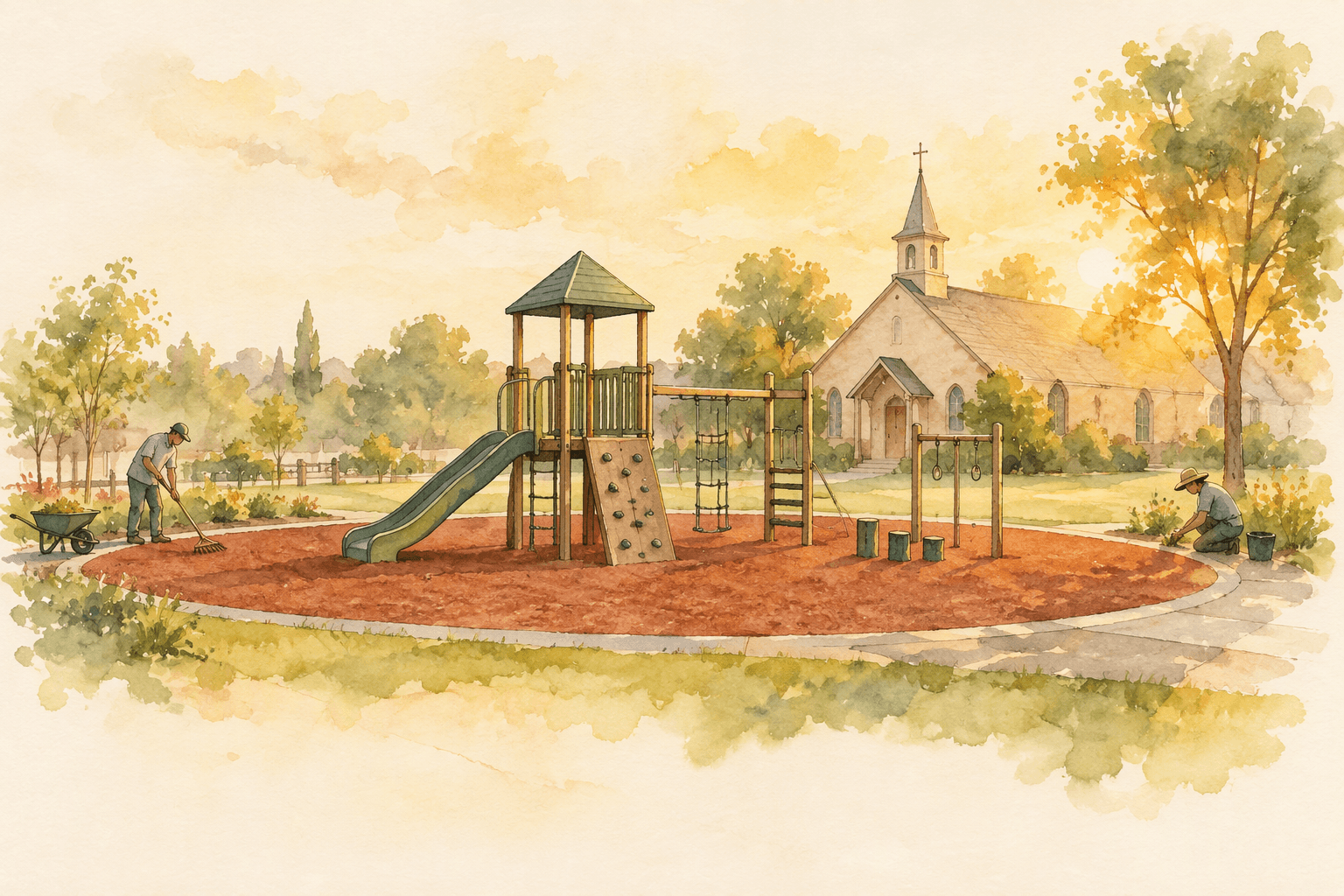
The church sought Missouri’s Scrap Tire Grant to replace its playground surface; children in its daycare and neighborhood children used the playground after hours.
Missouri’s Scrap Tire Grant Program offered grants to resurface playgrounds with scrap-tire material.
Question presented
Whether the exclusion of churches from an otherwise neutral and secular aid program violates the Free Exercise and Equal Protection Clauses when the state has no valid Establishment Clause concern.
What the Court decided
Holding
The Department’s policy violated the rights of Trinity Lutheran under the Free Exercise Clause of the First Amendment by denying the Church an otherwise available public benefit on account of its religious status. 788 F. 3d 779, reversed and remanded.
- Result
- Reversed
The vote
- Joined the judgment
- Concurred in a separate opinion
- Dissented
- Wrote an opinion
- Majority · 6joined the Court's opinion
- Concurring · 1agreed with the result, wrote separately
- Breyerwrote separately
- Dissenting · 2disagreed with the result
- Ginsburg
- Sotomayorwrote the dissent
From the opinions
“The Court today profoundly changes that relationship by holding, for the first time, that the Constitution requires the government to provide public funds directly to a church.”
What's next
The case goes back to the Eighth Circuit for further proceedings under the Supreme Court’s ruling.
Documents
Docket activity
New analysis added
AI analysis generated: Case Briefing
AI analysis generated: Decision Record
Case data updated: summary, question_presented, generation_metadata
Case data updated: question_presented, extraction_metadata
Show 1 moreShow fewer
Brief added: Questions Presented
More questions
- What did Justice Sotomayor object to?
- She argued that the ruling changed the relationship between churches and government and weakened the separation of church and state.
Sources
Primary materials plus reporting. Best-effort analysis: this explainer relies on a mix of primary materials and trusted secondary sources. Official filings and opinions remain authoritative.