Tribal immunity for personal damages
Lewis v. Clarke
In brief
The Court ruled that tribal immunity does not shield a tribal employee from a personal damages suit just because the tribe may cover him.
- Where it stands
- Decided
Decided 8-0 · April 25, 2017 · Opinion by Justice Sotomayor
- What it’s about
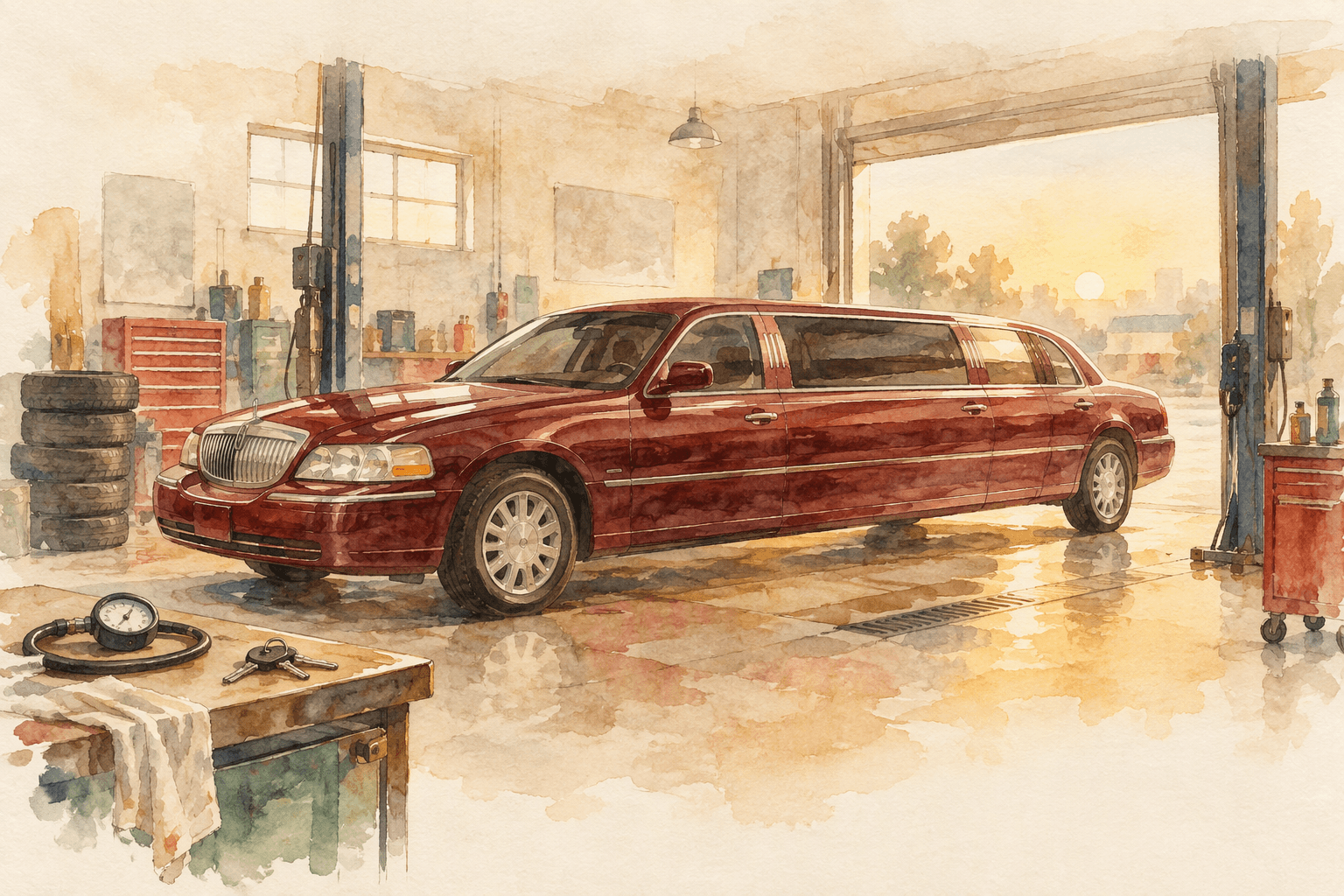
- Brian Lewis sued tribal employee William Clarke for damages after a crash involving a limousine Clarke was driving for a tribal authority.
- Who it affects
- Tribal immunity does not bar a damages suit against an employee sued personally, and a tribe’s promise to cover an employee cannot extend immunity the employee otherwise lacks.
Summary: written with AI from the case record.
What it's about
The Supreme Court overturned the Connecticut court’s ruling and sent the case back (reversed and remanded), deciding that the suit was against Clarke, not the tribe, and that the tribe’s promise to cover him could not extend its immunity to him.
Tribal immunity can protect a tribe from lawsuits; the dispute was whether it also protected an employee sued personally.
Question presented
Whether the sovereign immunity of an Indian tribe bars individual-capacity damages?
What the Court decided
Holding
1. In a suit brought against a tribal employee in his individual capacity, the employee, not the tribe, is the real party in interest and the tribe’s sovereign immunity is not implicated. 2. An indemnification provision cannot, as a matter of law, extend sovereign immunity to individual employees who would otherwise not fall under its protective cloak. 320 Conn.706, 135 A. 3d 677, reversed and remanded.
- Result
- Reversed
The Court's reasoning
The Court said Clarke—not the tribe—was the person Lewis’s suit was really against because Lewis sued him personally. It also said the tribe’s promise to cover Clarke could not give him immunity he otherwise lacked.
The vote
- Joined the judgment
- Concurred in a separate opinion
- Wrote an opinion
- Concurring · 2agreed with the result, wrote separately
- Thomaswrote separately
- Ginsburgwrote separately
What's next
The case returns to the Connecticut Supreme Court for further proceedings under the U.S. Supreme Court’s ruling.
Documents
Docket activity
New analysis added
AI analysis generated: Case Briefing
AI analysis generated: Decision Record
Case data updated: summary, question_presented, generation_metadata
Case data updated: question_presented, extraction_metadata
Show 1 moreShow fewer
Brief added: Questions Presented
More questions
- Did the Supreme Court decide whether Clarke owes damages?
- No. It decided the immunity question and sent the case back; its ruling did not award damages.
Sources
Primary materials plus reporting. Best-effort analysis: this explainer relies on a mix of primary materials and trusted secondary sources. Official filings and opinions remain authoritative.