Pretrial detention
Scott v. United States
In brief
- Where it stands
- Dismissed
Petition denied.
- What it’s about
- Jamar Scott asks the Supreme Court to review his pretrial detention, arguing that the government gave no statutory basis, the judge made no required flight-or-obstruction finding and continued the hearing without a request, and his review motion went undecided for about three months.
- Who it affects
- Scott received no Supreme Court ruling on whether the process for his pretrial detention complied with federal law.
Summary: written with AI from the case record.
What it's about
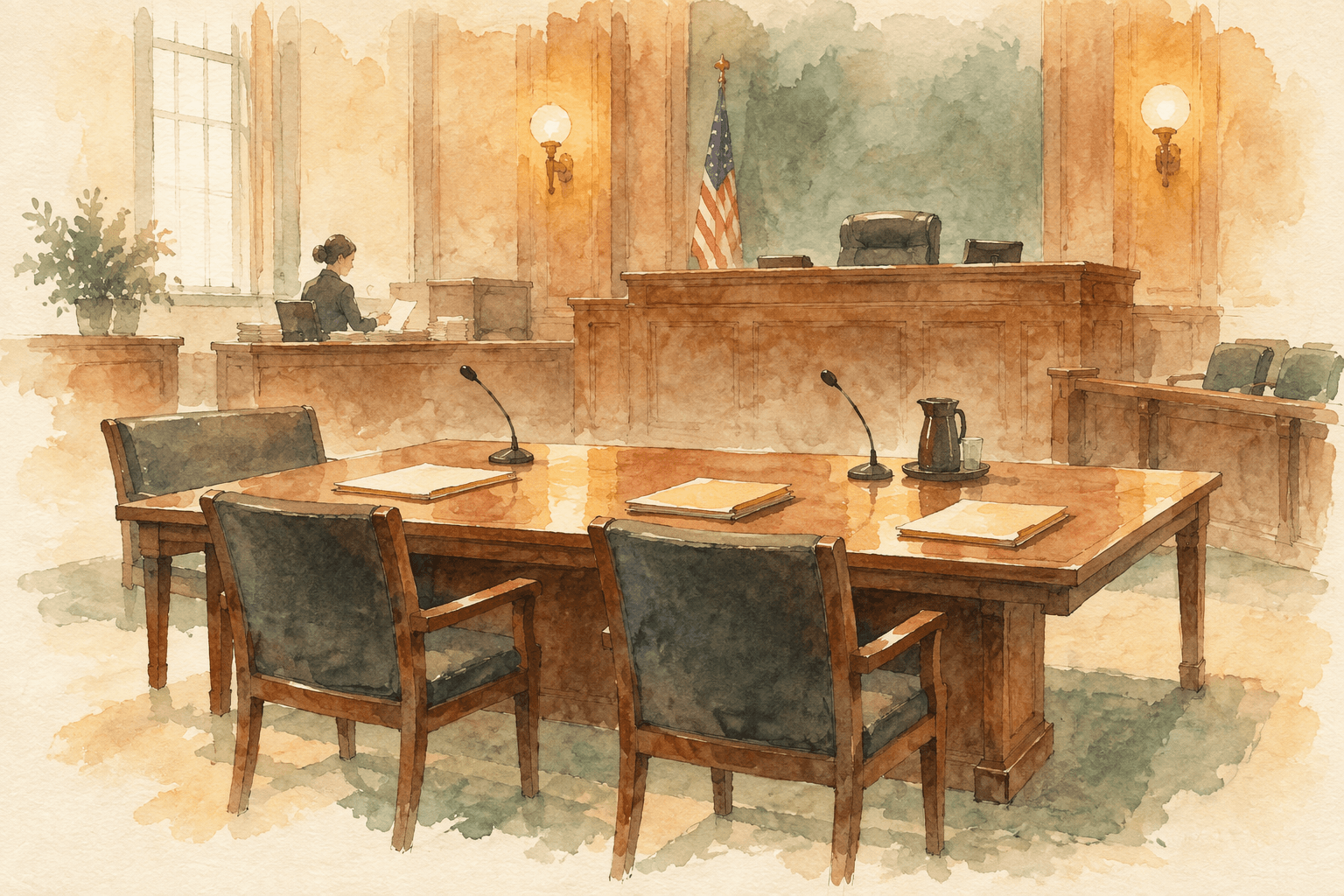
The dispute concerns federal rules for when a judge may hold someone before trial and how quickly a court must decide a motion to review detention.
Question presented
1. Whether a defendant be subjected to pretrial detention where, at the initial appearance, the Government requested detention without identifying a statutory ground under 18 U.S.C. § 3142(f), and the judicial officer did not make the threshold determination that the case involved a serious risk of flight or obstruction necessary to authorize a detention hearing under § 3142(f)? 2. Whether, in determining whether a detention proceeding was conducted pursuant to § 3142(f), a court may disregard the combined effect of the absence of a threshold § 3142(f) determination and a sua sponte continuance of the detention hearing that neither party requested? 3. Whether permitting a motion for review of pretrial detention to remain undecided for approximately three months is consistent with 18 U.S.C. § 3145(b), which commands that such a motion shall be determined promptly?
Documents
Docket activity
New analysis added
AI analysis generated: Case Briefing
AI analysis generated: Decision Record
New analysis added
Case data updated: summary, question_presented, generation_metadata
Show 2 moreShow fewer
Case data updated: question_presented, extraction_metadata
Brief added: Petition
Sources
Primary materials plus reporting. Best-effort analysis: this explainer relies on a mix of primary materials and trusted secondary sources. Official filings and opinions remain authoritative.