Landor v. Louisiana Department of Corrections and Public Safety
In brief
The Supreme Court upheld the Fifth Circuit’s ruling: Damon Landor cannot pursue money damages against the Louisiana prison officials as individuals under RLUIPA.
- Where it stands
- Decided
Decided 6-3 · June 23, 2026 · Opinion by Justice Gorsuch
- What it’s about
- The Court held that Damon Landor could not seek damages from Louisiana prison officials in their personal capacities under the Religious Land Use and Institutionalized Persons Act (RLUIPA).
- Who it affects
- The ruling blocks claims for money damages against officials personally under RLUIPA unless they knowingly and voluntarily accept that liability in an agreement with the federal government. Landor cannot use that personal-damages route against these officials.
Summary: written with AI from the case record.
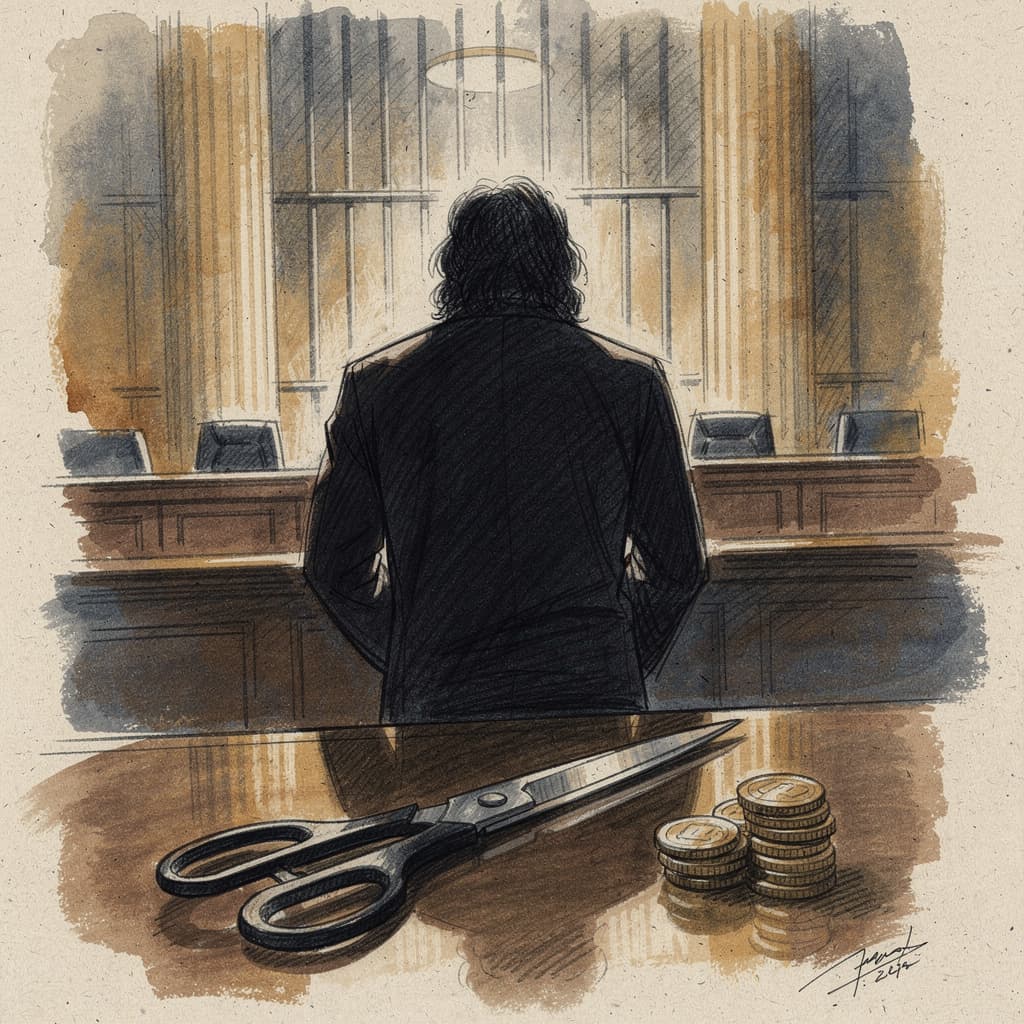
What it's about
Because RLUIPA is a Spending Clause law and the officials had not knowingly and voluntarily agreed with the federal government to accept personal liability, the Court affirmed the Fifth Circuit's ruling for the defendants.
The case sits at the intersection of prisoners’ religious freedom and Congress’s power to attach conditions to federal funding.
Question presented
Whether RLUIPA permits suits for monetary damages against state officials in their individual capacities.
What the Court decided
Holding
Individuals may not be held liable in their personal capacities under a Spending Clause statute unless those individuals have voluntarily and knowingly consented to answer lawsuits under the statute; because the individual defendants in this case did not voluntarily and knowingly consent to face RLUIPA liability in an agreement with the federal government, Mr. Landor’s case cannot proceed against them. 82 F. 4th 337, affirmed.
- Result
- Affirmed
The vote
From the opinions
“The majority nevertheless adopts the peculiar position that Congress is powerless to create, and a State is powerless to accept, the natural next step: a damages remedy against officials who violate that directive.”
What's next
Landor’s claim for money damages against the officials as individuals cannot proceed, and the Fifth Circuit’s ruling remains in place. Lower courts will apply the Court’s consent rule to similar claims under federal-funding laws.
Docket activity
New analysis added
AI analysis generated: Case Briefing
AI analysis generated: Decision Record
Case data updated: summary, question_presented, generation_metadata
New analysis added
Show 7 moreShow fewer
AI analysis generated: Impact Analysis
AI analysis generated: Opinion Summary
New analysis added
New analysis added
New analysis added
Opinion added: Opinion of the Court - NG
Audio Recording added: Oral Arguments - Landor
More questions
- What did the Supreme Court decide in Landor v. Louisiana?
- It upheld the Fifth Circuit’s ruling. Landor’s RLUIPA damages claim against the officials personally cannot proceed.
- How did Damon Landor’s damages claim fail?
- The Court treated RLUIPA as a federal-funding law. The officials had not knowingly and voluntarily agreed with the federal government to accept personal liability under RLUIPA.
- What rule did the Supreme Court set in Landor for RLUIPA damages claims?
- Officials cannot face personal damages liability under RLUIPA unless they knowingly and voluntarily consent to it in an agreement with the federal government.
- What happens next for Landor?
- His claim for money damages against the officials personally cannot proceed. The Fifth Circuit’s ruling remains in place, and lower courts will use the same consent rule in similar cases.
Sources
Primary materials plus reporting. Best-effort analysis: this explainer relies on a mix of primary materials and trusted secondary sources. Official filings and opinions remain authoritative.