Tuition aid for religious schools
Carson v. Makin
In brief
The Supreme Court overturned the lower court and sent the case back (reversed and remanded), ruling that Maine could not exclude religious schools from generally available tuition aid.
- Where it stands
- Decided
Decided 6-3 · June 21, 2022 · Opinion by Chief Justice Roberts
- What it’s about
- This case is about Maine’s tuition-assistance program for families in school districts without their own public secondary schools and whether the state can exclude schools that provide religious instruction from that program.
- Who it affects
- Maine may not exclude families and schools from this generally available aid program because of the religious use of the aid. The lower court must apply that ruling when the case returns.
Summary: written with AI from the case record.
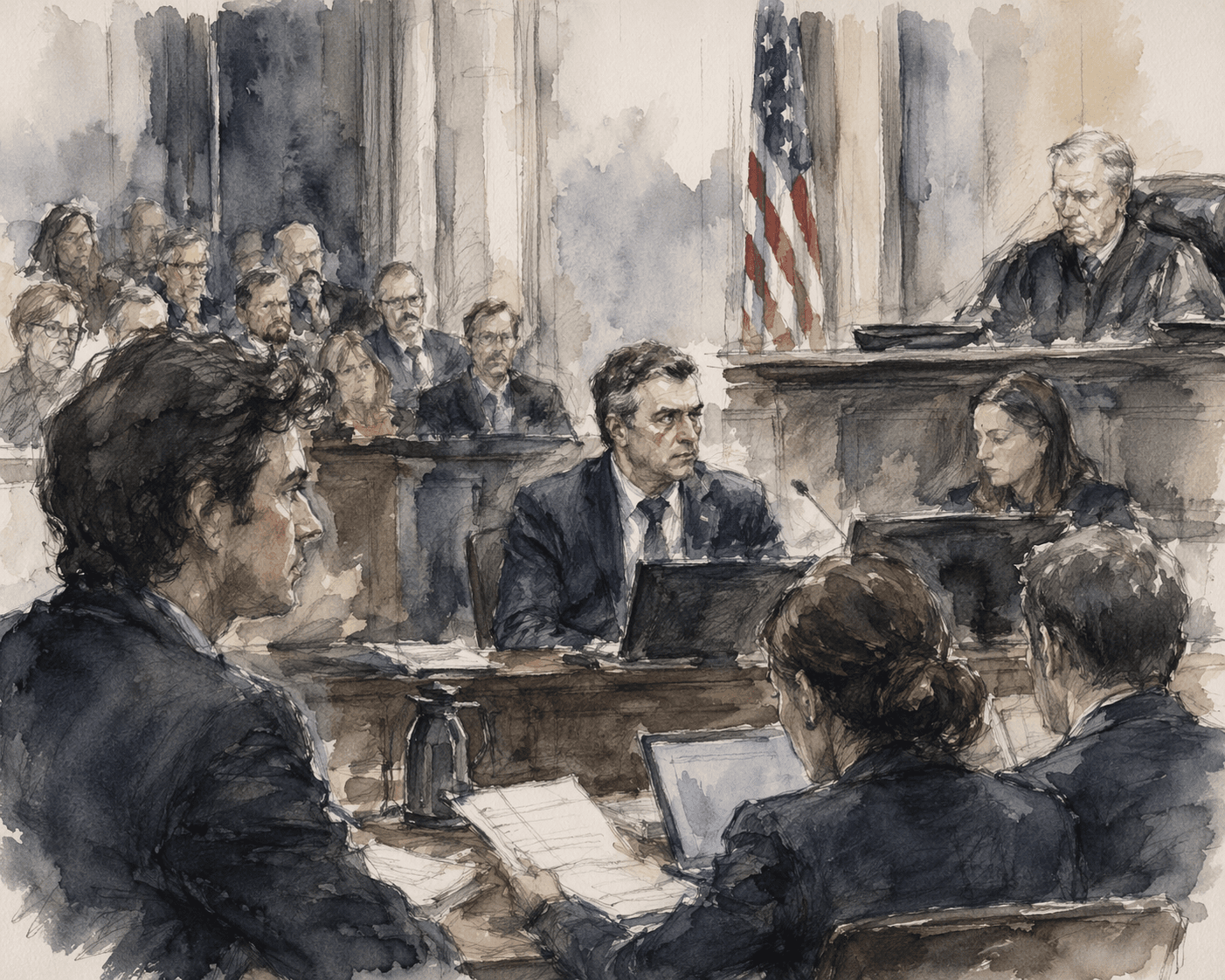
What it's about
The dispute asks whether Maine may offer generally available school aid while denying families the option to use it at religious schools.
The case tests how the Constitution’s protection for religious exercise applies when a state offers generally available education aid.
Question presented
Does a state violate the Religion Clauses or Equal Protection Clause of the United States Constitution by prohibiting students participating in an otherwise generally available student-aid program from choosing to use their aid to attend schools that provide religious, or "sectarian," instruction?
What the Court decided
Holding
Maine’s “nonsectarian” requirement for otherwise generally available tuition assistance payments violates the Free Exercise Clause. 979 F. 3d 21, reversed and remanded.
- Result
- Reversed
The vote
From the opinions
“This Court continues to dismantle the wall of separation between church and state that the Framers fought to build.”
What's next
The Supreme Court sent the case back to the First Circuit (remanded it) for further proceedings. The lower court must address the dispute consistently with the ruling that Maine’s “nonsectarian” requirement violates the Free Exercise Clause.
Documents
Docket activity
New analysis added
AI analysis generated: Case Briefing
New analysis added
AI analysis generated: Impact Analysis
AI analysis generated: Opinion Summary
Show 5 moreShow fewer
AI analysis generated: Decision Record
Case data updated: status, opinion_date
Opinion added: opinion
Brief added: Petition
Brief added: Questions Presented
More questions
- What was Carson v. Makin about?
- Maine offered tuition assistance to families in districts without public secondary schools but excluded schools providing religious instruction. The case asked whether that exclusion violated the Constitution.
- What did the Supreme Court decide in Carson v. Makin?
- It ruled that Maine’s “nonsectarian” requirement violated the Free Exercise Clause. The Court overturned the lower court and sent the case back (reversed and remanded).
- How does the ruling affect Maine’s tuition-aid program?
- Maine may not exclude families and schools from generally available tuition assistance because of the religious use of the aid. The lower court must consider the case under that rule.
- What happens next in the case?
- The Supreme Court sent the case back to the First Circuit (remanded it) for further proceedings under its ruling.
Sources
Primary materials plus reporting. Best-effort analysis: this explainer relies on a mix of primary materials and trusted secondary sources. Official filings and opinions remain authoritative.