James v. United States
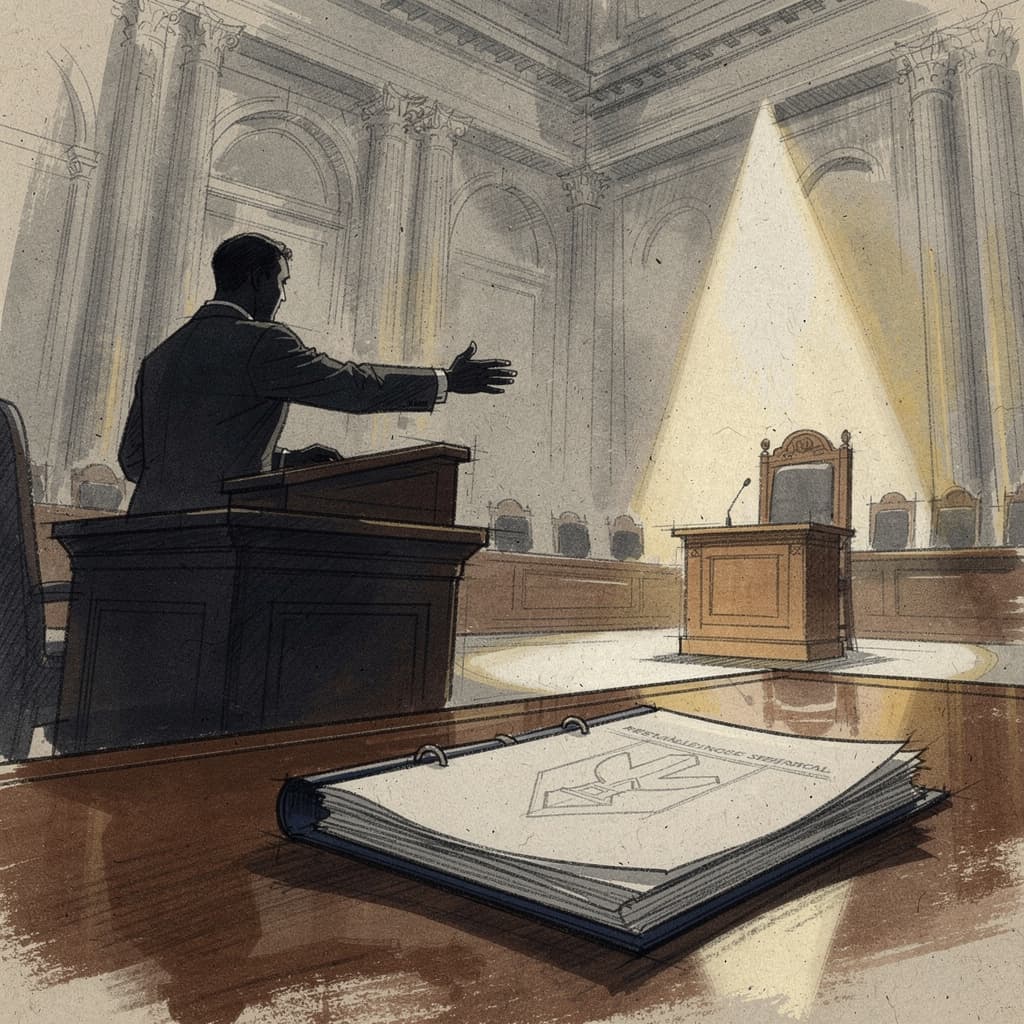
This case involves a dispute over whether forensic pathology reports should be considered testimonial evidence, which would require the author of the report to be available for cross-examination in court.
- Status
- Before Arguments
- Appeal from
- United States Court of Appeals for the Eighth Circuit
Briefing
What Happened
The Supreme Court is considering whether forensic pathology reports, such as autopsy results, should be treated as testimonial evidence. This dispute centers on whether the person who wrote the report must appear in court so the defendant can question them. The case comes from a challenge to a ruling by the Eighth Circuit Court of Appeals.
Why It Matters
This case could change how prosecutors use medical evidence in criminal trials across the country. If the Court rules these reports are testimonial, families and medical examiners might be required to testify in person more often. This could make it harder to secure convictions if a specific pathologist is unavailable to come to court.
The Big Picture
The case involves the Sixth Amendment's Confrontation Clause, which gives defendants the right to face their accusers. The Court has spent years defining which types of out-of-court statements count as testimony. This decision will clarify if medical records created for investigations fall under that constitutional protection.
What the Justices Said
No substantive justice or advocate reactions are available yet as the case is pending and oral arguments have not been scheduled.
The Bottom Line
The Court must decide if the Constitution requires forensic experts to testify in person about their written reports.
What's Next
The next major milestone is for the Court to schedule and hold oral arguments. After the arguments, the justices will meet privately to vote and eventually release a written opinion. A final decision is expected before the end of the current term.
What is the core dispute in James v. United States?
The case asks if forensic pathology reports are testimonial evidence under the Sixth Amendment. This determines if the report's author must be available for cross-examination (questioning by the opposing lawyer).
What are the real-world consequences for the legal system?
If the Court rules for the defendant, prosecutors may struggle to use old autopsy reports in cold cases. Medical examiners would spend significantly more time testifying in courtrooms instead of performing medical duties.
Which legal rule is at the center of this case?
The case focuses on the Confrontation Clause of the Sixth Amendment. This rule generally prevents the government from using out-of-court statements as evidence unless the witness is available to be questioned.
What is the next procedural step for this case?
The Supreme Court will set a date for oral arguments where lawyers for both sides present their positions. Following those arguments, the justices will deliberate and draft their final decision.
How does this case fit into a broader legal trend?
The Court has been slowly defining which laboratory and medical documents require live testimony. This case continues a long-running effort to balance defendant rights with the practical needs of the criminal justice system.
Timeline
Sources
Docket plus reporting.
Refreshed Mar 9, 2026.