FTC power to recover money
AMG Capital Management v. FTC
In brief
The FTC cannot use Section 13(b) to obtain restitution or disgorgement from a court, and the Ninth Circuit's ruling was overturned.
- Where it stands
- Decided
Decided 9-0 · April 22, 2021 · Opinion by Justice Breyer
- What it’s about
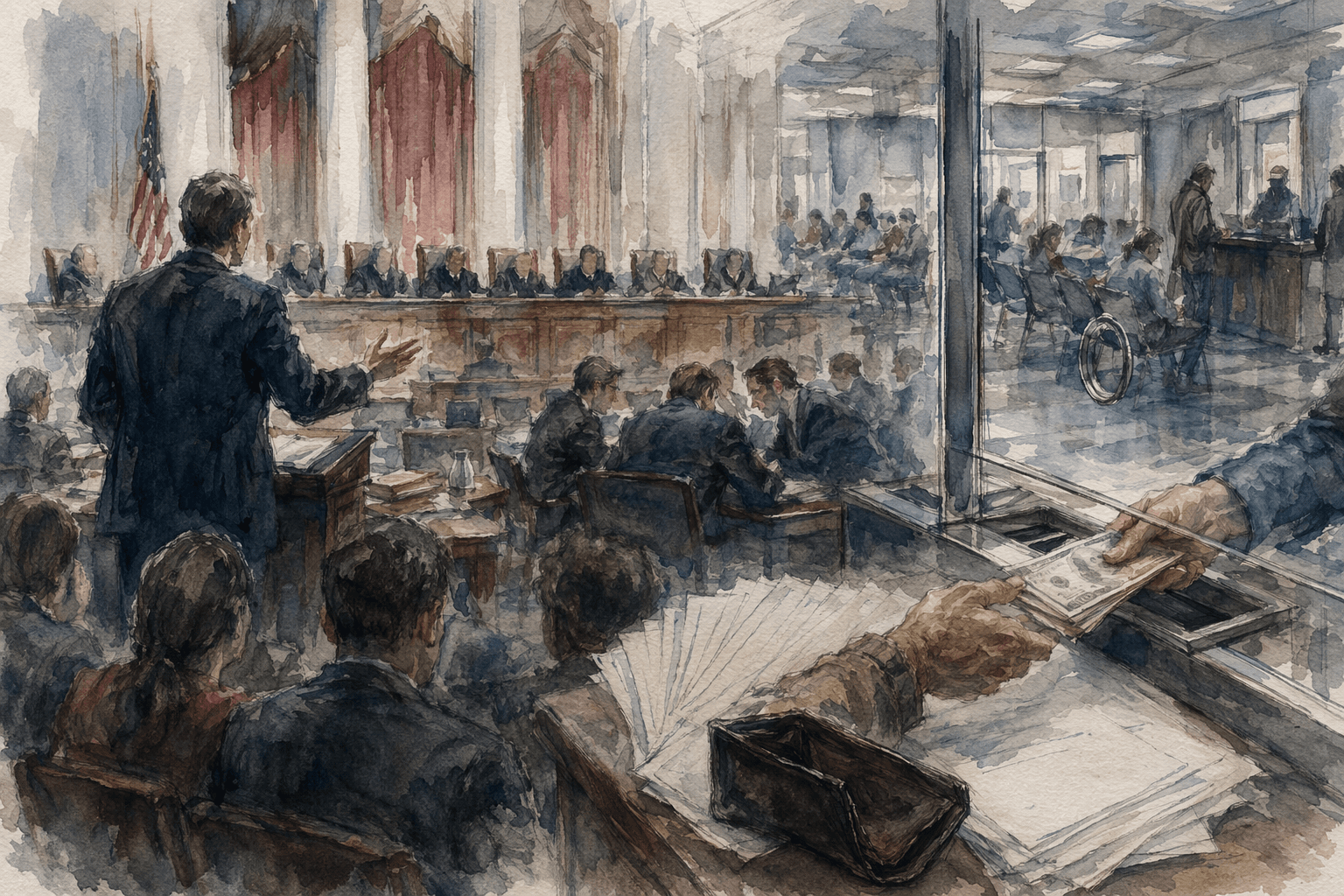
- This case asked whether the Federal Trade Commission can use Section 13(b) of the FTC Act to go straight to federal court not only for an injunction, but also to recover money from companies accused of deceptive practices.
- Who it affects
- The ruling prevents the FTC from using Section 13(b) to seek restitution or disgorgement in federal court. It limits a money-recovery route the FTC had used in deceptive-practices cases, including its case against Scott Tucker's payday lending businesses.
Summary: written with AI from the case record.
What it's about
The dispute arose after the FTC won a large monetary award against Scott Tucker and his payday lending businesses for allegedly misleading consumers.
The case tested whether a federal agency could obtain money in court when the law's text mentions injunctions but not money awards.
Question presented
Whether §13(b) of the Act, by authorizing "injunction[s]," also authorizes the Commission to demand monetary relief such as restitution - and if so, the scope of the limits or requirements for such relief.
What the Court decided
Holding
Section 13(b) does not authorize the Commission to seek, or a court to award, equitable monetary relief such as restitution or disgorgement. 910 F. 3d 417, reversed and remanded.
- Result
- Reversed
The vote
What's next
The Supreme Court sent the case back to the Ninth Circuit (remanded) for further proceedings under its ruling. The Supreme Court's action is complete.
Documents
Docket activity
New analysis added
AI analysis generated: Impact Analysis
AI analysis generated: Opinion Summary
New analysis added
AI analysis generated: Case Briefing
Show 6 moreShow fewer
AI analysis generated: Decision Record
Case data updated: status, opinion_date
Opinion added: opinion
Brief added: Petition
Court Order added: Lower Court Orders/Opinions
Brief added: Questions Presented
More questions
- What did AMG Capital Management v. FTC decide?
- The Court decided that Section 13(b) does not authorize the FTC to seek, or a court to award, restitution or disgorgement.
- How did the Supreme Court rule on the Ninth Circuit's decision?
- It overturned the Ninth Circuit's ruling (reversed) and sent the case back to the lower court (remanded).
- Why does the decision matter for the FTC?
- It prevents the FTC from using Section 13(b) to seek restitution or disgorgement in federal court.
- What happens next in AMG Capital Management v. FTC?
- The case goes back to the Ninth Circuit (remanded) for further proceedings under the Supreme Court's ruling.
Sources
Primary materials plus reporting. Best-effort analysis: this explainer relies on a mix of primary materials and trusted secondary sources. Official filings and opinions remain authoritative.