State power over presidential electors
Chiafalo v. Washington
In brief
States can require presidential electors to honor their pledges and can punish electors who do not.
- Where it stands
- Decided
Decided 9-0 · July 6, 2020 · Opinion by Justice Kagan
- What it’s about
- This case asked whether Washington could fine presidential electors who broke their pledge and voted for someone other than the candidate who won the State’s popular vote in the 2016 election.
- Who it affects
- The decision allows states to penalize so-called faithless electors. For example, a Washington elector who votes against the state's popular-vote winner can be fined.
Summary: written with AI from the case record.
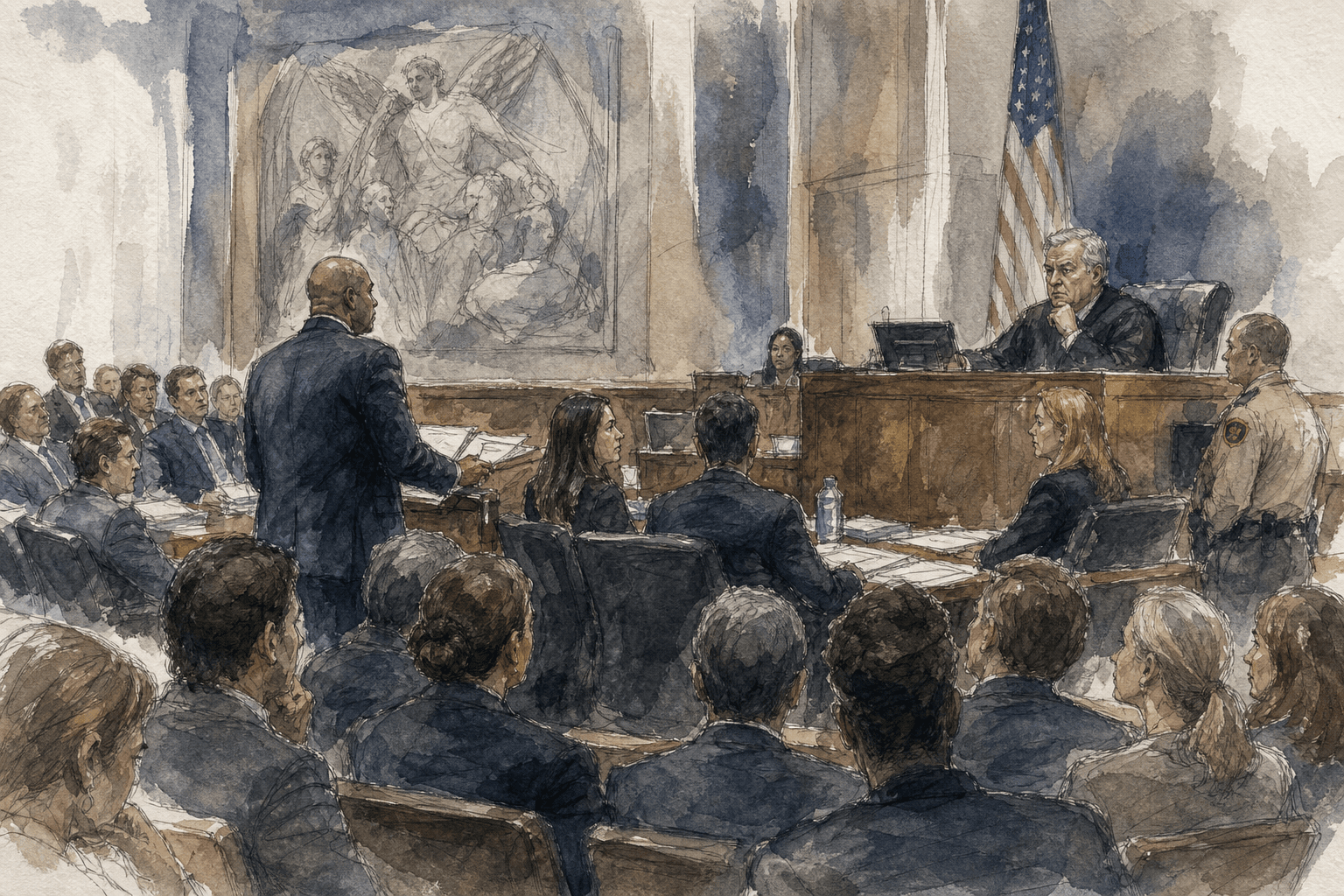
What it's about
The Supreme Court held that states may enforce those pledges and punish so-called faithless electors.
The case concerns how much independence members of the Electoral College have when formally choosing a president.
Question presented
Whether enforcement of this law is unconstitutional because: (1) a State has no power to legally enforce how a presidential elector casts his or her ballot; and (2) a State penalizing an elector for exercising his or her constitutional discretion to vote violates the First Amendment.
What the Court decided
Holding
A State may enforce an elector’s pledge to support his party’s nominee—and the state voters’ choice—for President. 193 Wash. 2d 380, 441 P. 3d 807, affirmed.
- Result
- Affirmed
The vote
- Joined the judgment
- Concurred in a separate opinion
- Wrote an opinion
- Majority · 8joined the Court's opinion
- Concurring · 1agreed with the result, wrote separately
- Thomaswrote separately
What's next
The Court has finished this case. Washington may continue enforcing its pledge law against faithless electors.
Documents
Docket activity
New analysis added
AI analysis generated: Impact Analysis
AI analysis generated: Opinion Summary
AI analysis generated: Decision Record
New analysis added
Show 6 moreShow fewer
AI analysis generated: Case Briefing
Case data updated: status, opinion_date
Opinion added: opinion
Brief added: Petition
Court Order added: Lower Court Orders/Opinions
Brief added: Questions Presented
More questions
- What did the Supreme Court rule in Chiafalo v. Washington?
- The Court said states may enforce electors' pledges to support the candidate who won the state's popular vote. States may punish electors who break those pledges.
- Who is affected by Chiafalo v. Washington?
- Presidential electors are directly affected. A Washington elector who votes for someone other than the state's popular-vote winner can be fined.
- What happens next in Chiafalo v. Washington?
- The case is finished at the Supreme Court. Washington may continue enforcing its law against faithless electors.
Sources
Primary materials plus reporting. Best-effort analysis: this explainer relies on a mix of primary materials and trusted secondary sources. Official filings and opinions remain authoritative.