Religious freedom in foster care
Fulton v. Philadelphia
In brief
The Supreme Court ruled for CSS, deciding Philadelphia's refusal to contract with it unless it certified same-sex couples violated the First Amendment, and sent the case back after overturning the lower-court ruling.
- Where it stands
- Decided
Decided 9-0 · August 17, 2021 · Opinion by Justice Barrett
- What it’s about
- The Supreme Court ruled that Philadelphia violated the First Amendment’s Free Exercise Clause (protection for religious practice) by refusing to contract with Catholic Social Services (CSS) for foster-care work unless CSS certified same-sex couples as foster parents.
- Who it affects
- The ruling means Philadelphia cannot make CSS's foster-care contract depend on certifying same-sex couples in the way challenged here. It leaves open whether to overturn Employment Division v.
Summary: written with AI from the case record.
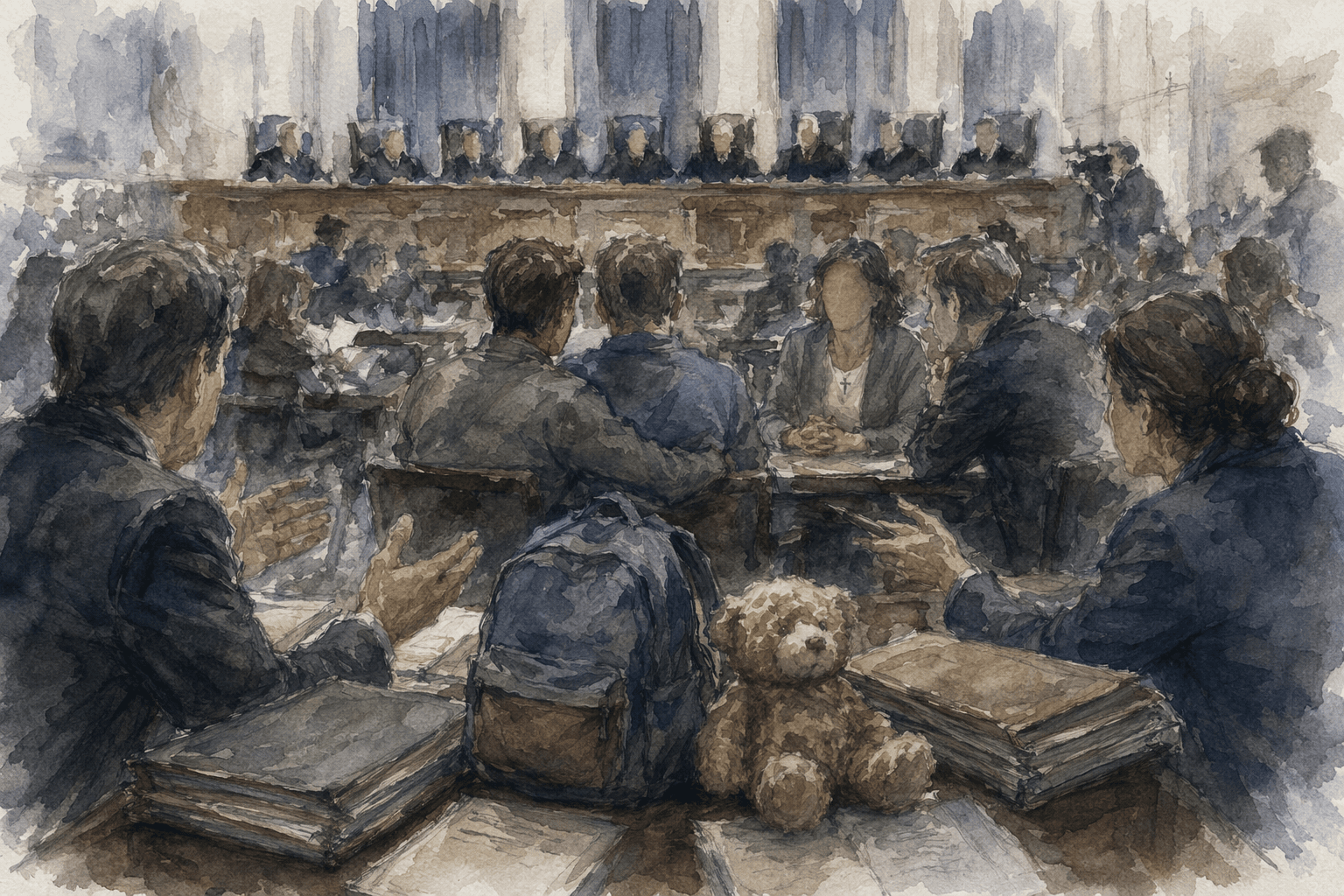
What it's about
It overturned (reversed) the Third Circuit’s ruling and sent the case back to the lower court (remanded), without deciding whether Employment Division v. Smith should be overruled.
The case is part of the larger debate over how religious-freedom protections apply when government foster-care programs serve same-sex couples.
Question presented
1. Whether free exercise plaintiffs can only succeed by proving a particular type of discrimination claim-namely that the government would allow the same conduct by someone who held different religious views-as two circuits have held, or whether courts must consider other evidence that a law is not neutral and generally applicable, as six circuits have held? 2. Whether Employment Division v. Smith should be revisited? 3. Whether a government violates the First Amendment by conditioning a religious agency's ability to participate in the foster care system on taking actions and making statements that directly contradict the agency's religious beliefs?
What the Court decided
Holding
The refusal of Philadelphia to contract with CSS for the provision of foster care services unless CSS agrees to certify same-sex couples as foster parents violates the Free Exercise Clause of the First Amendment. 922 F. 3d 140, reversed and remanded.
- Result
- Reversed
The vote
- Joined the judgment
- Concurred in a separate opinion
- Wrote an opinion
- Majority · 6joined the Court's opinion
What's next
The case returns to the Third Circuit for further proceedings consistent with the Supreme Court's ruling. The lower court will apply that ruling to the remaining dispute between Philadelphia and CSS.
Why it matters
Smith, an earlier Supreme Court ruling about when laws that do not target religion may burden religious practice.
Documents
Docket activity
New analysis added
AI analysis generated: Impact Analysis
AI analysis generated: Opinion Summary
Case data updated: summary, question_presented, generation_metadata
New analysis added
Show 6 moreShow fewer
AI analysis generated: Case Briefing
AI analysis generated: Decision Record
Case data updated: status, opinion_date
Opinion added: opinion
Brief added: Petition
Brief added: Questions Presented
More questions
- What did Fulton v. Philadelphia decide?
- The Supreme Court decided that Philadelphia violated the First Amendment by refusing to contract with CSS unless CSS agreed to certify same-sex couples.
- What led Philadelphia to stop working with CSS?
- CSS would not certify same-sex couples as foster parents because of its religious beliefs. Philadelphia treated certification as a condition of its foster-care contract.
- Did the Supreme Court overturn Employment Division v. Smith?
- No. The Court's ruling did not overturn Smith, leaving the broader question open.
- What happens next in Fulton?
- The Supreme Court sent the case back to the Third Circuit (remanded it) for further proceedings consistent with its ruling. The lower court will apply the decision to the Philadelphia-CSS dispute.
Sources
Primary materials plus reporting. Best-effort analysis: this explainer relies on a mix of primary materials and trusted secondary sources. Official filings and opinions remain authoritative.