Trump v. Anderson
In brief
Colorado could not remove Trump from its presidential primary ballot under Section 3 of the Fourteenth Amendment.
- Where it stands
- Decided
Decided 9-0 · March 4, 2024 · Per curiam
- What it’s about
- The Court unanimously reversed Colorado's decision excluding Trump from the ballot under Section 3 of the Fourteenth Amendment. It held that states may not enforce Section 3 against federal candidates and officeholders; that responsibility belongs to Congress.
- Who it affects
- States cannot use Section 3 to remove federal candidates from their ballots. For example, Colorado could not keep Trump off its presidential primary ballot on that basis.
Summary: written with AI from the case record.
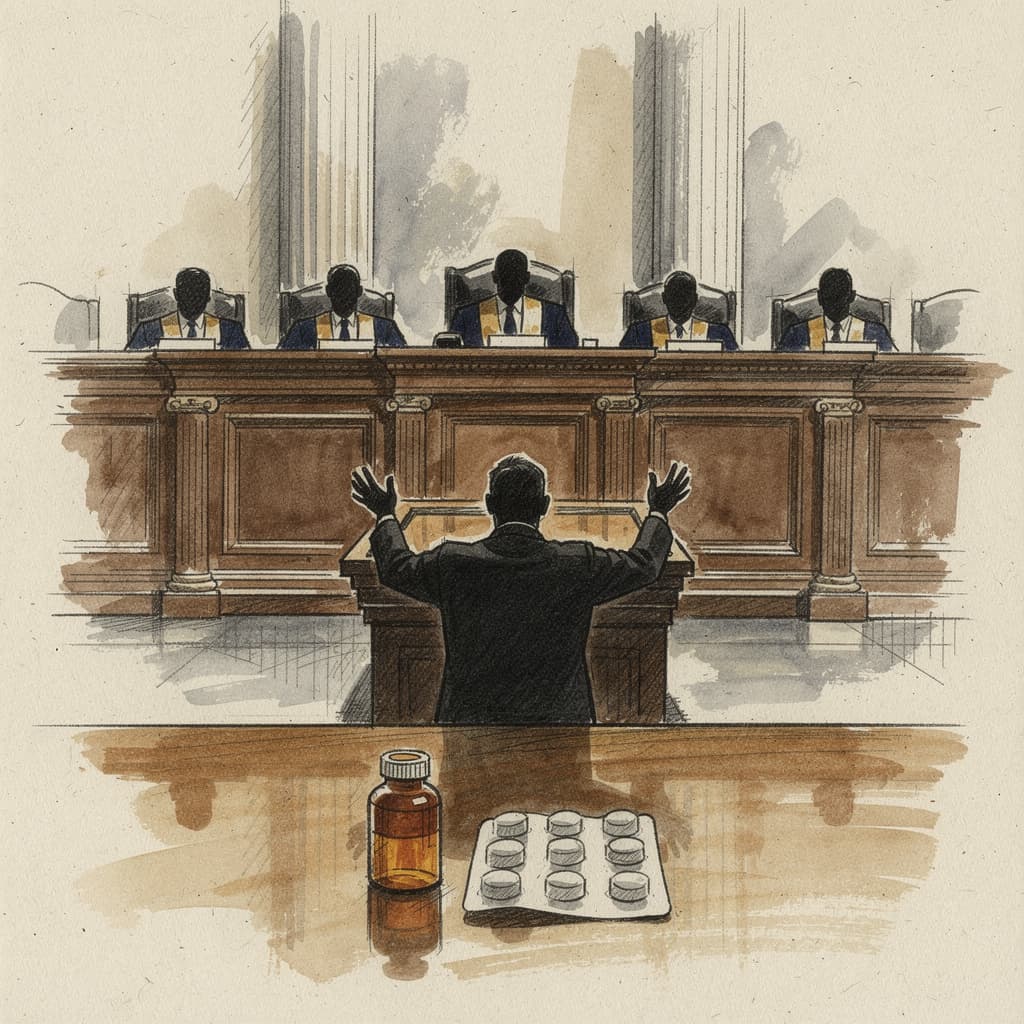
What it's about
The decision prevents different states from reaching different ballot results for federal candidates under Section 3.
Question presented
Does Section Three of the Fourteenth Amendment disqualify Donald Trump from holding the office of President of the United States and thus from appearing on Colorado’s 2024 presidential primary ballot?
What the Court decided
Holding
The judgment of the Colorado Supreme Court is reversed.
- Result
- Reversed
The vote
From the opinions
“The judgment of the Colorado Supreme Court is reversed.”
What's next
Colorado and other states must follow the decision and cannot enforce Section 3 against federal candidates or officeholders. Congress is responsible for deciding whether and how Section 3 is enforced in that setting.
Documents
Docket activity
New analysis added
AI analysis generated: Case Briefing
AI analysis generated: Decision Record
New analysis added
AI analysis generated: Impact Analysis
Show 6 moreShow fewer
AI analysis generated: Opinion Summary
Status changed from null to decided
Status changed from decided to null
Opinion added: Opinion
Brief added: Petition
Brief added: Questions Presented
More questions
- What did the Supreme Court rule in Trump v. Anderson?
- The Court reversed Colorado's ballot decision and said states cannot enforce Section 3 against federal candidates and officeholders.
- Who won Trump v. Anderson?
- Trump won because the Court reversed the Colorado Supreme Court's decision excluding him from the primary ballot.
- How did Trump v. Anderson affect presidential ballots?
- States cannot remove federal candidates from presidential ballots by enforcing Section 3 of the Fourteenth Amendment.
- What happens next after Trump v. Anderson?
- States and lower courts must follow the decision. Congress has responsibility for enforcing Section 3 against federal candidates and officeholders.
- Is Section 3 still the law after Trump v. Anderson?
- Yes. The Court said states cannot enforce it against federal candidates and officeholders; Congress has that responsibility.
Sources
Primary materials plus reporting. Best-effort analysis: this explainer relies on a mix of primary materials and trusted secondary sources. Official filings and opinions remain authoritative.