Bissonnette v. LePage Bakeries Park St.
In brief
Workers who are engaged in interstate transportation can qualify for the Federal Arbitration Act exemption regardless of their employer's industry.
- Where it stands
- Decided
Decided 9-0 · April 12, 2024 · Opinion by Chief Justice Roberts
- What it’s about
- The Supreme Court ruled that workers actively engaged in interstate transportation do not need to be employed by a company in the transportation industry to qualify for an exemption from the Federal Arbitration Act.
- Who it affects
- The decision focuses on workers' actual jobs, not their employer's overall business. For example, bakery delivery workers who are engaged in interstate transportation may pursue claims in court rather than be required to arbitrate.
Summary: written with AI from the case record.
What it's about
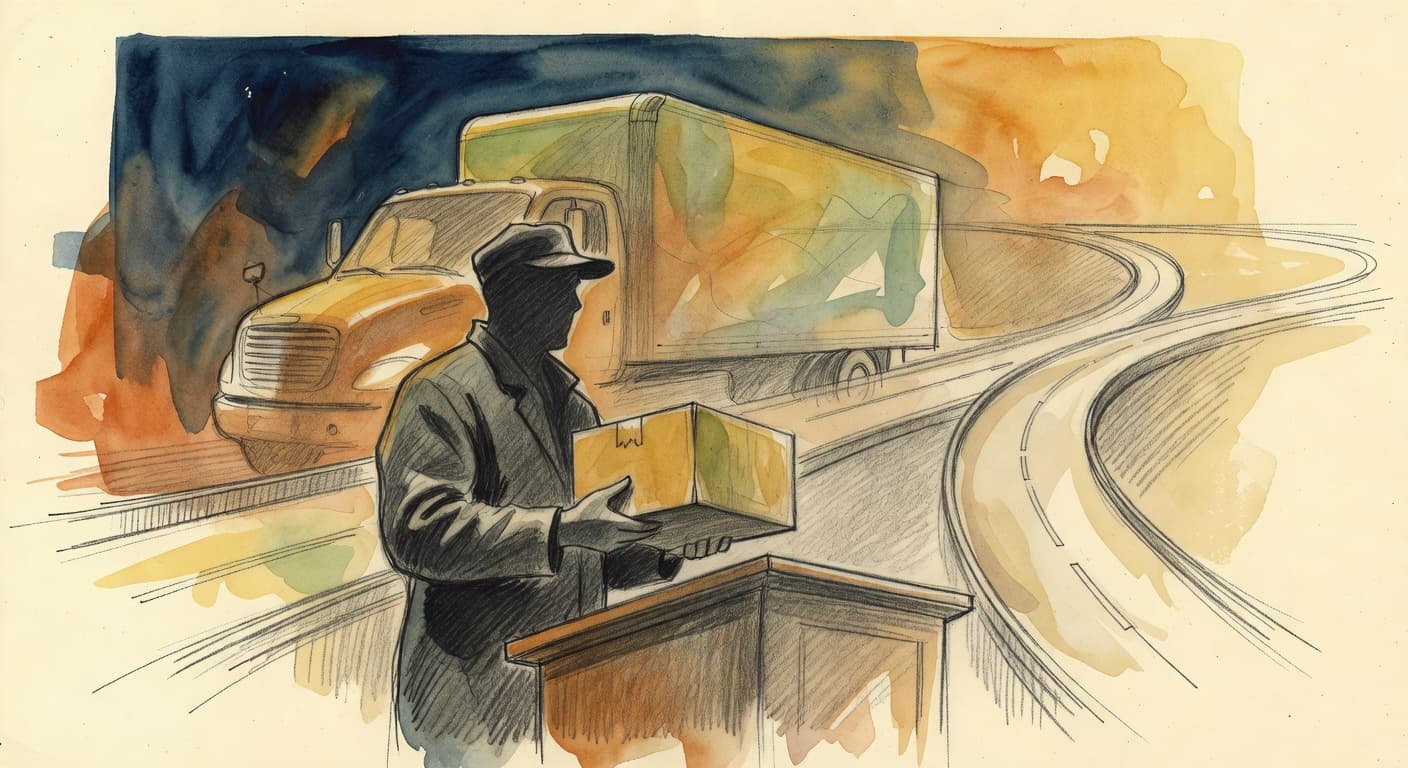
The decision clarified that the exemption focuses on the specific work performed by the employees, such as delivering baked goods, rather than the general business of their employer.
The case clarifies that the Federal Arbitration Act's transportation-worker exemption applies across industries when workers are engaged in foreign or interstate transportation.
Question presented
To be exempt from the Federal Arbitration Act, must a class of workers that is actively engaged in interstate transportation also be employed by a company in the transportation industry?
What the Court decided
Holding
A transportation worker need not work in the transportation industry to be exempt from coverage under §1 of the FAA. 49 F. 4th 655, vacated and remanded.
- Result
- Vacated
The vote
From the opinions
“A transportation worker need not work in the transportation industry to be exempt from coverage under §1 of the FAA.”
What's next
The case returns to the lower courts for further proceedings under the Supreme Court's rule. Courts must assess whether the workers' actual duties place them in a class engaged in interstate transportation.
Documents
Docket activity
New analysis added
AI analysis generated: Impact Analysis
AI analysis generated: Opinion Summary
New analysis added
AI analysis generated: Case Briefing
Show 5 moreShow fewer
AI analysis generated: Decision Record
Opinion added: Bissonnette
Opinion added: opinion
Brief added: Petition
Brief added: Questions Presented
More questions
- What did the Supreme Court rule in Bissonnette v. LePage Bakeries?
- The Court ruled that transportation workers do not need to work for a transportation company to qualify for the Federal Arbitration Act exemption.
- Who won Bissonnette v. LePage Bakeries?
- The bakery delivery workers won. The Court vacated the Second Circuit decision that had compelled arbitration because they worked in the bakery industry.
- What does Bissonnette mean for delivery workers?
- Delivery workers may seek the Federal Arbitration Act exemption based on their actual transportation work, even if their employer sells goods rather than transportation services.
- Is the transportation-worker exemption still the law after Bissonnette?
- Yes. The Court confirmed that the exemption applies to workers engaged in foreign or interstate transportation without an industry-based employer requirement.
- What happens next in Bissonnette v. LePage Bakeries?
- The lower courts will continue the case using the Supreme Court's rule. They must determine whether the workers' duties qualify them as interstate transportation workers.
Sources
Primary materials plus reporting. Best-effort analysis: this explainer relies on a mix of primary materials and trusted secondary sources. Official filings and opinions remain authoritative.