City of Grants Pass v. Johnson
In brief
The Eighth Amendment does not bar cities from enforcing generally applicable public-camping laws against homeless people, including when shelter space is unavailable.
- Where it stands
- Decided
Decided 6-3 · June 28, 2024 · Opinion by Justice Gorsuch
- What it’s about
- The Supreme Court ruled that a city's enforcement of public camping bans against homeless individuals does not violate the Eighth Amendment's prohibition on cruel and unusual punishment, even when shelter space is unavailable.
- Who it affects
- Cities may enforce public-camping restrictions even when people lack shelter space. For example, a person sleeping outdoors in a public park may face enforcement under a city’s generally applicable camping rules.
Summary: written with AI from the case record.
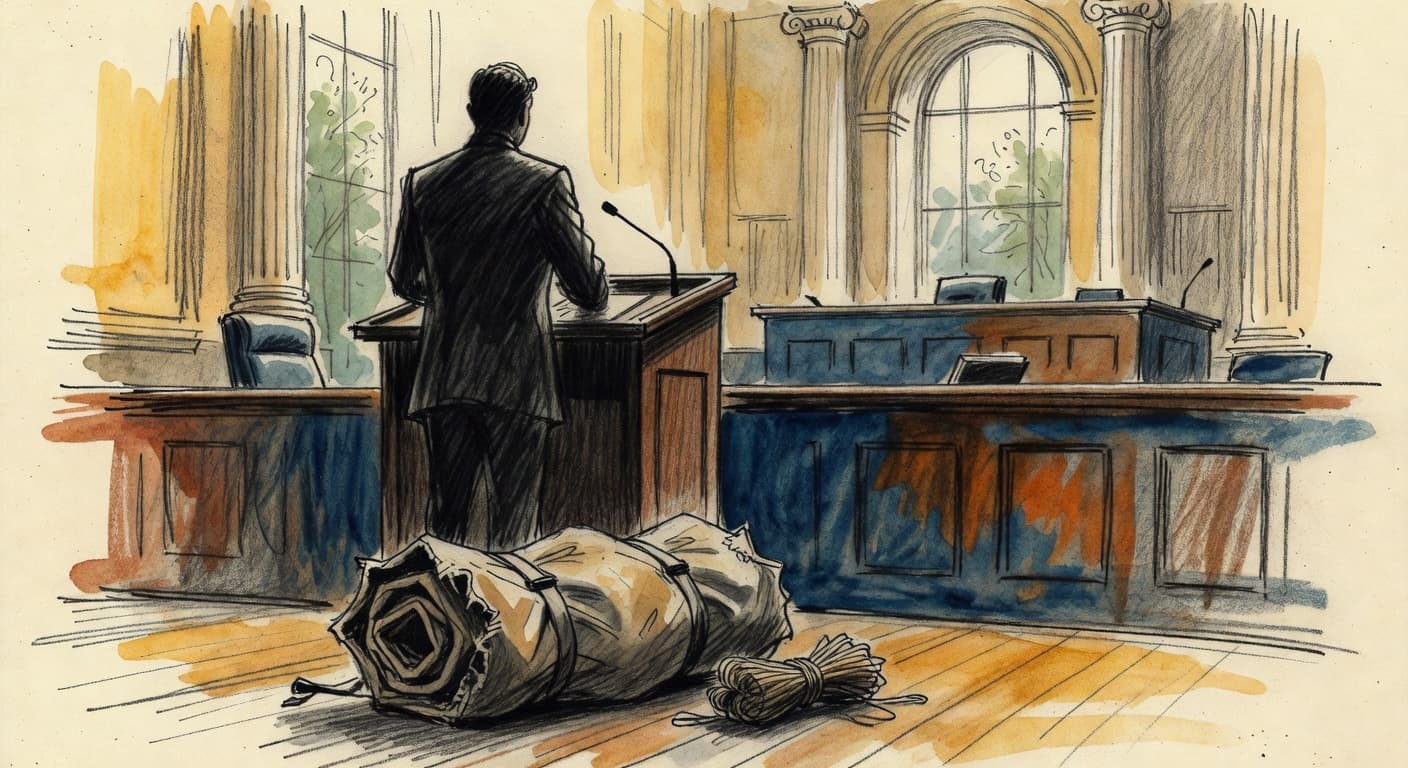
What it's about
The decision overturned lower court rulings that had restricted municipalities from penalizing involuntary homelessness.
The case addresses how far the Eighth Amendment limits cities’ responses to homelessness in public spaces.
Question presented
Does a city’s enforcement of public camping against involuntarily homeless people violate the Eighth Amendment’s protection against cruel and unusual punishment?
What the Court decided
Holding
The enforcement of generally applicable laws regulating camping on public property does not constitute “cruel and unusual punishment” prohibited by the Eighth Amendment. 72 F. 4th 868, reversed and remanded.
- Result
- Reversed
The vote
- Joined the judgment
- Concurred in a separate opinion
- Dissented
- Wrote an opinion
- Concurring · 1agreed with the result, wrote separately
- Thomaswrote separately
From the opinions
“The enforcement of generally applicable laws regulating camping on public property does not constitute “cruel and unusual punishment” prohibited by the Eighth Amendment.”
“Sleep is a biological necessity, not a crime.”
What's next
The case returns to the lower courts for further proceedings consistent with the Supreme Court’s decision. Cities and agencies may reassess camping-enforcement policies under this ruling.
Docket activity
New analysis added
AI analysis generated: Impact Analysis
AI analysis generated: Opinion Summary
New analysis added
AI analysis generated: Case Briefing
Show 5 moreShow fewer
AI analysis generated: Decision Record
Opinion added: Opinion
Opinion added: opinion
Brief added: Petition
Brief added: Questions Presented
More questions
- What did the Supreme Court rule in Grants Pass?
- The Court ruled that generally applicable laws regulating camping on public property do not violate the Eighth Amendment’s ban on cruel and unusual punishment.
- Who won City of Grants Pass v. Johnson?
- The City of Grants Pass won. The Court reversed the Ninth Circuit’s decision.
- What does Grants Pass mean for homeless people?
- Cities may enforce generally applicable public-camping rules against homeless people, even when shelter space is unavailable.
- Is the Ninth Circuit’s public-camping rule still the law after Grants Pass?
- No. The Supreme Court reversed the Ninth Circuit’s decision and sent the case back for further proceedings.
- What happens next in City of Grants Pass v. Johnson?
- Lower courts will handle further proceedings consistent with the Supreme Court’s decision. Cities may review their enforcement policies.
Sources
Primary materials plus reporting. Best-effort analysis: this explainer relies on a mix of primary materials and trusted secondary sources. Official filings and opinions remain authoritative.