Hamm v. Smith
In brief
The Supreme Court wiped out the Eleventh Circuit's judgment (vacated it) and sent the case back for further consideration (remanded it), leaving the stay question unresolved.
- Where it stands
- Decided
Decided 9-0 · November 4, 2024 · Per curiam
- What it’s about
- State officials in Alabama asked the Supreme Court to vacate a stay of execution granted to death row inmate Kenneth Eugene Smith, whose execution was halted by lower courts.
- Who it affects
- The Eleventh Circuit's judgment no longer stands, and the dispute returns to the Eleventh Circuit. The Supreme Court did not decide whether Smith's stay should be lifted, so the central question remains open.
Summary: written with AI from the case record.
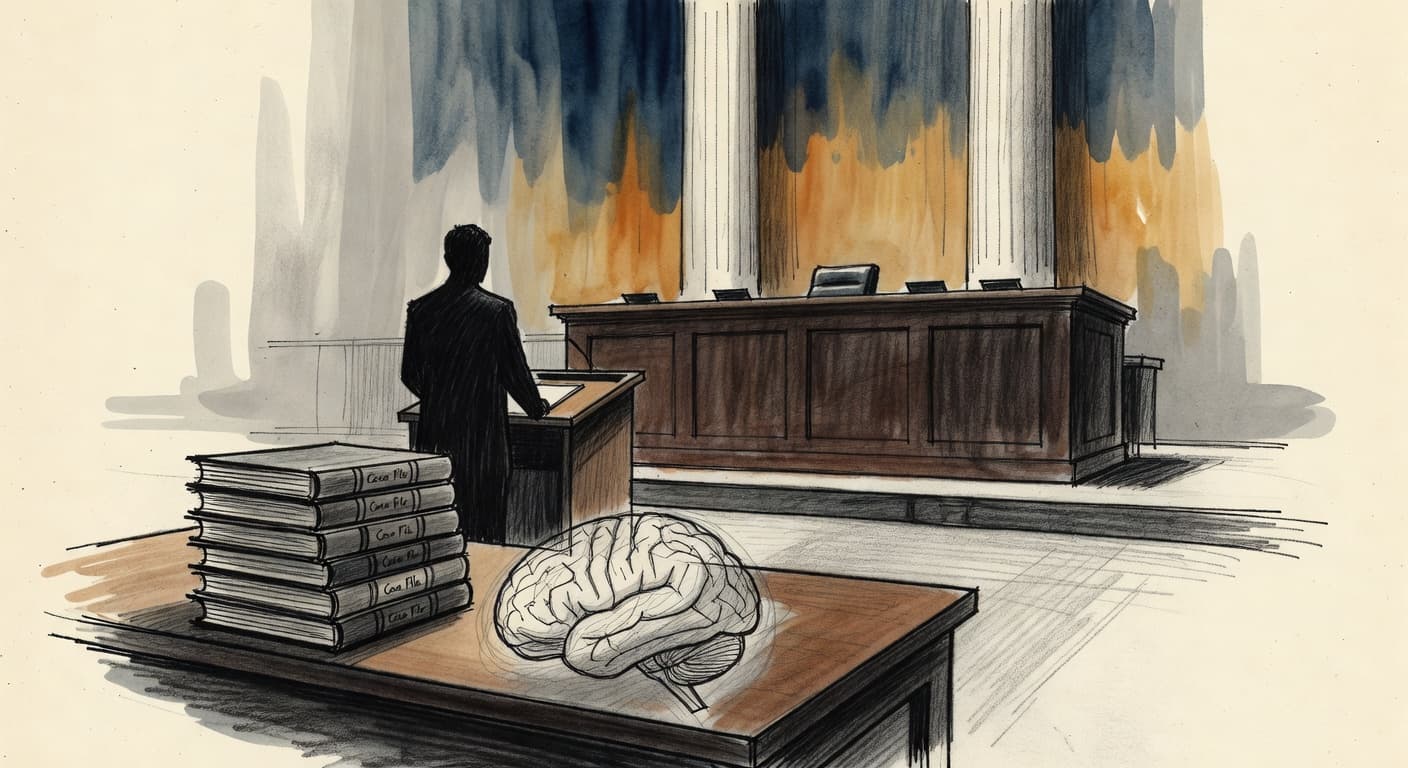
What it's about
The case also involved disputes over Smith's intellectual disability and IQ scores in relation to his eligibility for the death penalty.
The dispute involves an Alabama execution stay and questions about whether Smith's intellectual disability and IQ scores affect his death-penalty eligibility.
Question presented
Whether the court should vacate the stay of execution of Kenneth Eugene Smith?
What the Court decided
Holding
Therefore, we grant the petition for certiorari and Smith’s motion for leave to proceed in forma pauperis , vacate the judgment of the Eleventh Circuit, and remand the case for further consideration consistent with this opinion.
- Result
- Vacated
The vote
What's next
The Eleventh Circuit will reconsider the case consistent with the Supreme Court's opinion. The Court's action did not say whether the stay remains in place or whether Smith's execution may proceed.
Docket activity
New analysis added
AI analysis generated: Case Briefing
AI analysis generated: Decision Record
Opinion added: Hamm
Opinion added: opinion
Show 1 moreShow fewer
Brief added: Petition
More questions
- What did Hamm v. Smith do?
- The Court granted review, wiped out the Eleventh Circuit's judgment (vacated it), and sent the case back (remanded it).
- Did the Supreme Court lift Kenneth Eugene Smith's stay of execution?
- No. The Court did not decide whether the stay should be lifted. The dispute returns to the Eleventh Circuit for further consideration.
- How did the justices vote in Hamm v. Smith?
- The Court acted unanimously, 9-0, in an unsigned opinion from the whole Court. Justices Thomas and Gorsuch would have granted review and set the case for argument.
- What happens next in Hamm v. Smith?
- The Eleventh Circuit will reconsider the case consistent with the Supreme Court's opinion. The stay question remains unresolved.
Sources
Primary materials plus reporting. Best-effort analysis: this explainer relies on a mix of primary materials and trusted secondary sources. Official filings and opinions remain authoritative.