United States v. Rahimi
In brief
People found by a court to pose a credible physical-safety threat may temporarily be barred from possessing guns under the federal domestic-violence restraining-order law.
- Where it stands
- Decided
Decided 8-1 · June 21, 2024 · Opinion by Chief Justice Roberts
- What it’s about
- The Court reversed the Fifth Circuit and upheld the federal ban on gun possession by people subject to domestic-violence restraining orders.
- Who it affects
- The decision allows enforcement of the federal gun ban when a court has found that a restrained person credibly threatens someone’s physical safety. For example, a person subject to such an order can be temporarily prohibited from possessing firearms.
Summary: written with AI from the case record.
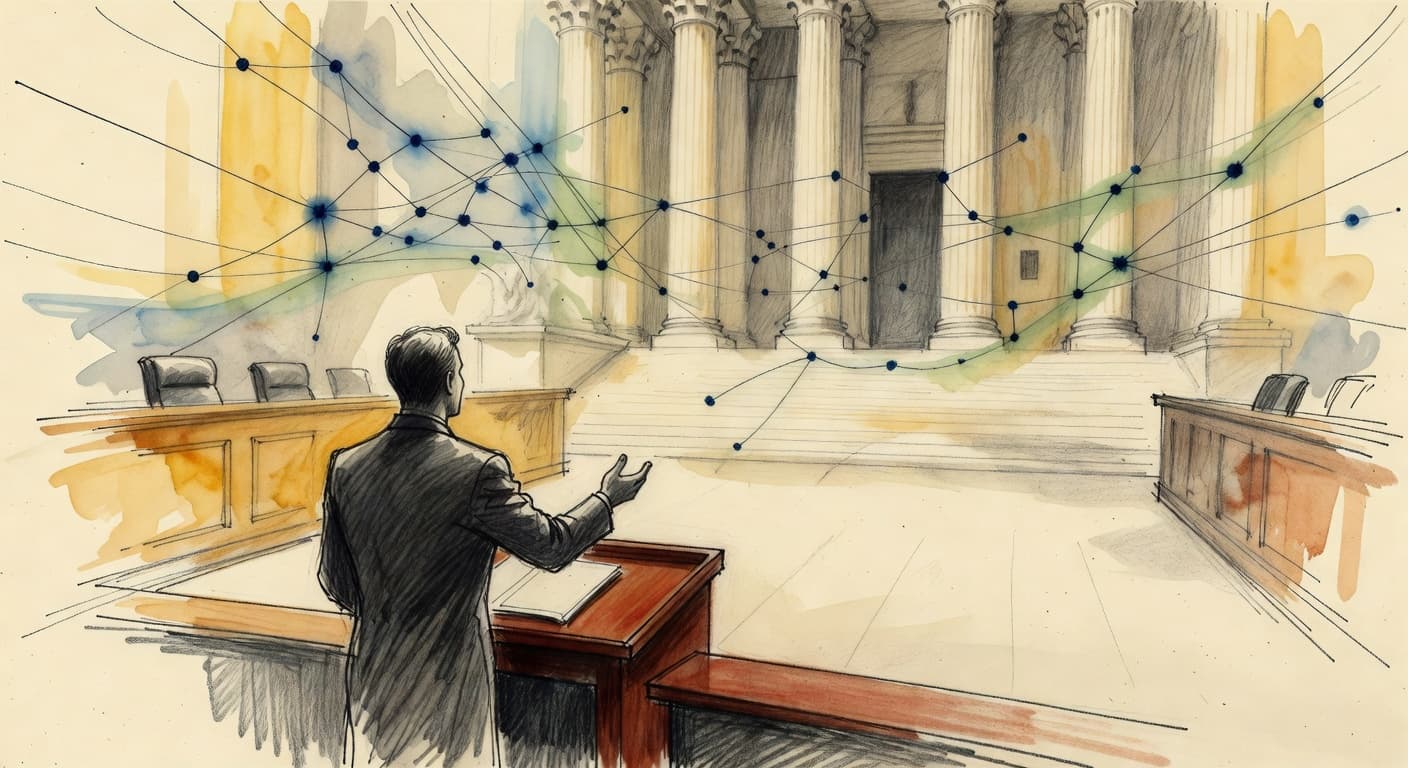
What it's about
It held that temporary disarmament in those circumstances fits within the Nation's historical firearm-regulation tradition.
The case applied the Court's Second Amendment approach of asking whether a firearm restriction fits historical principles, rather than requiring an identical old law.
Question presented
Does 18 U.S.C. § 922(g)(8), which prohibits the possession of firearms by persons subject to domestic-violence restraining orders, violate the Second Amendment?
What the Court decided
Holding
When an individual has been found by a court to pose a credible threat to the physical safety of another, that individual may be temporarily disarmed consistent with the Second Amendment. 61 F. 4th 443, reversed and remanded.
- Result
- Reversed
The vote
- Joined the judgment
- Concurred in a separate opinion
- Dissented
- Wrote an opinion
- Concurring · 5agreed with the result, wrote separately
- Dissenting · 1disagreed with the result
- Thomaswrote the dissent
From the opinions
“When an individual has been found by a court to pose a credible threat to the physical safety of another, that individual may be temporarily disarmed consistent with the Second Amendment.”
What's next
The case returns to the lower courts for further proceedings consistent with the Supreme Court's decision. Lower courts and agencies may continue applying the federal restriction to qualifying restraining orders.
Documents
Docket activity
New analysis added
AI analysis generated: Impact Analysis
AI analysis generated: Opinion Summary
AI analysis generated: Decision Record
New analysis added
Show 6 moreShow fewer
AI analysis generated: Case Briefing
Status changed from null to decided
Status changed from decided to null
Opinion added: opinion
Brief added: Petition
Brief added: Questions Presented
More questions
- What did the Supreme Court rule in Rahimi?
- The Court upheld the federal gun ban for people under qualifying domestic-violence restraining orders. It reversed the Fifth Circuit by an 8-1 vote.
- Who is affected by the Rahimi decision?
- People whom a court has found to pose a credible threat to another person's physical safety can be temporarily barred from possessing firearms.
- What happens next in United States v. Rahimi?
- The case goes back to the lower courts for further proceedings. Federal authorities may continue enforcing the restriction against people covered by qualifying orders.
Sources
Primary materials plus reporting. Best-effort analysis: this explainer relies on a mix of primary materials and trusted secondary sources. Official filings and opinions remain authoritative.