Department of Agriculture Rural Development Rural Housing Service v. Kirtz
In brief
Federal agencies may be sued for money damages under the Fair Credit Reporting Act when they violate its terms.
- Where it stands
- Decided
Decided 9-0 · February 8, 2024 · Opinion by Justice Gorsuch
- What it’s about
- The Supreme Court ruled that the Fair Credit Reporting Act (FCRA) contains a clear waiver of sovereign immunity, allowing consumers to sue federal government agencies for money damages when they violate the Act's credit reporting requirements.
- Who it affects
- Federal agencies can face money-damages suits under the Fair Credit Reporting Act. For example, a consumer who says a federal agency violated the Act's credit-reporting requirements may bring a claim against that agency.
Summary: written with AI from the case record.
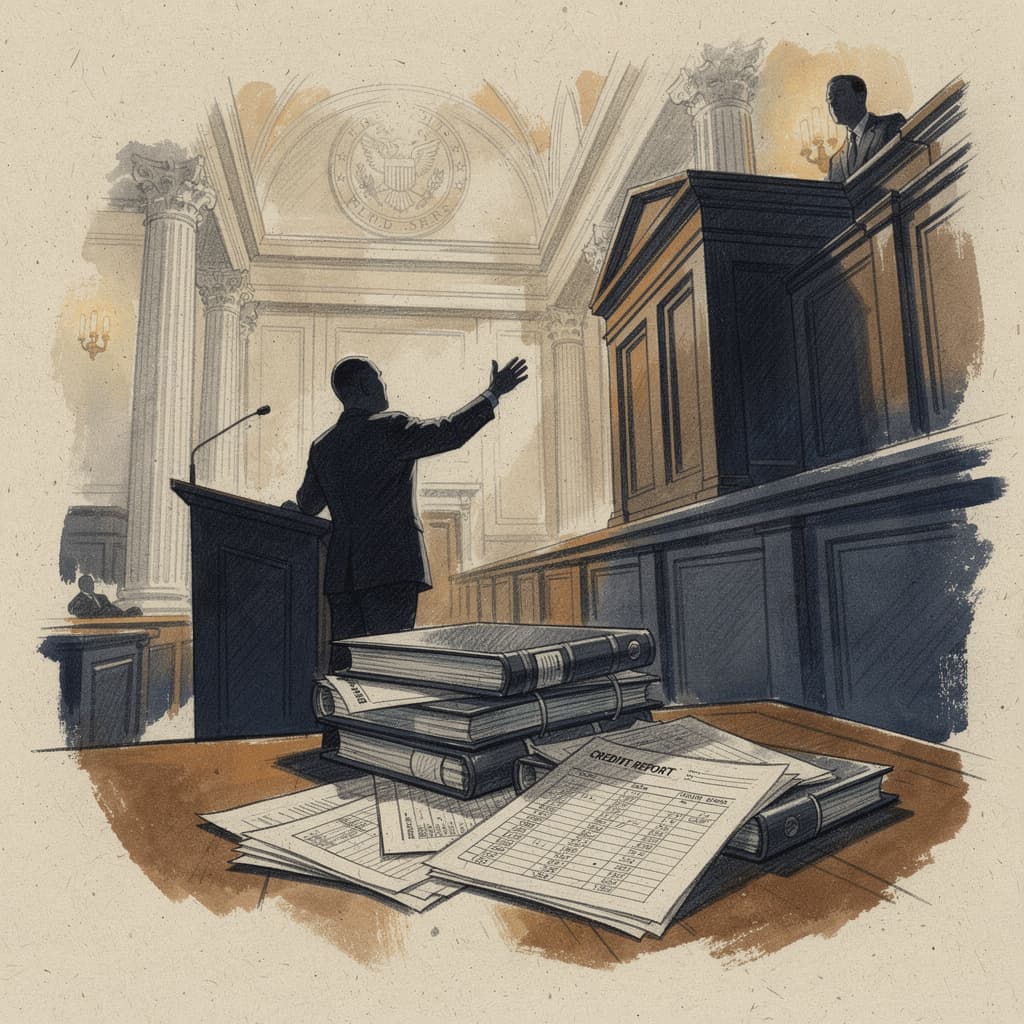
What it's about
The unanimous decision affirmed that the statutory definition of "person" includes government agencies, thereby subjecting them to liability.
The decision confirms that the Act's definition of "person," which includes government agencies, clearly applies its civil-liability rules to federal agencies.
Question presented
Do the civil-liability provisions of the Fair Credit Reporting Act unequivocally and unambiguously waive the sovereign immunity of the United States?
What the Court decided
Holding
A consumer may sue a federal agency for defying the FCRA’s terms. 46 F. 4th 159, affirmed.
- Result
- Affirmed
The vote
From the opinions
“A consumer may sue a federal agency for defying the FCRA’s terms.”
What's next
Lower courts can apply this decision to Fair Credit Reporting Act claims against federal agencies. Agencies and consumers must proceed under the Court's conclusion that the Act permits these suits.
Documents
Docket activity
New analysis added
AI analysis generated: Impact Analysis
AI analysis generated: Opinion Summary
New analysis added
AI analysis generated: Case Briefing
Show 5 moreShow fewer
AI analysis generated: Decision Record
Opinion added: Kirtz
Opinion added: opinion
Brief added: Petition
Brief added: Questions Presented
More questions
- What did the Supreme Court rule in Kirtz?
- The Court ruled that a consumer may sue a federal agency for violating the Fair Credit Reporting Act's terms. It affirmed the Third Circuit.
- Who won Department of Agriculture Rural Development Rural Housing Service v. Kirtz?
- Kirtz prevailed. The Court agreed that the Act permits consumers to sue federal agencies for money damages.
- What does Kirtz mean for consumers?
- Consumers may bring Fair Credit Reporting Act claims for money damages against federal agencies. The decision applies when an agency allegedly violates the Act's credit-reporting requirements.
- Is the Fair Credit Reporting Act rule still the law after Kirtz?
- Yes. The Court unanimously concluded that the Act clearly allows consumers to sue federal agencies for defying its terms.
- What happens next after Kirtz?
- Lower courts can resolve Fair Credit Reporting Act claims against federal agencies under this decision. Agencies may face money-damages suits when they violate the Act.
Sources
Primary materials plus reporting. Best-effort analysis: this explainer relies on a mix of primary materials and trusted secondary sources. Official filings and opinions remain authoritative.