Brown v. Louisiana
In brief
The Court refused to hear Brown's case and did not decide whether Brady required prosecutors to disclose the confession.
- Where it stands
- Decided
Decided · April 3, 2023 · Opinion by Justice Jackson
- What it’s about
- The Supreme Court ruled that the prosecution violated a defendant's due process rights by failing to disclose another person's confession to the crime.
- Who it affects
- The order left unanswered whether a confession that omits the defendant can be helpful evidence important enough to matter under Brady. It did not endorse either side's position or announce a new rule.
Summary: written with AI from the case record.
What it's about
The Court clarified that withheld evidence does not need to explicitly rule out the defendant's participation to be considered favorable under Brady v. Maryland.
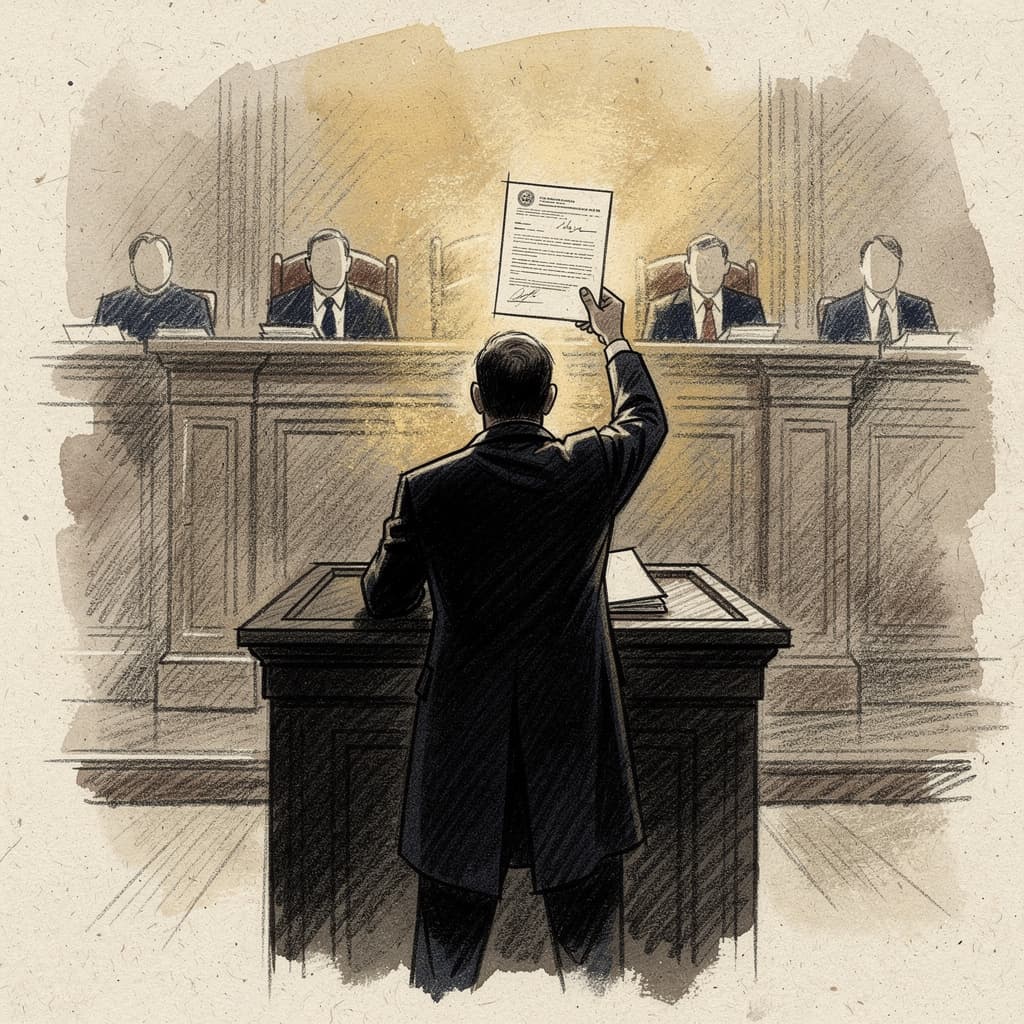
The case raised a question about prosecutors' duty to share helpful evidence with criminal defendants, but this order addressed only whether the Supreme Court would hear it.
Question presented
Whether, where a defendant denies participating in a particular criminal act, another person"s confession stating that he and someone else committed the act"without mentioning the defendant"is favorable and material evidence under Brady v. Maryland?
What the Court decided
Holding
Petition DENIED. Justice Jackson, with whom Justice Sotomayor and Justice Kagan join, dissenting from the denial of certiorari. (Detached Opinion )
The vote
- Majority author
- Ketanji Brown Jackson
What's next
The Supreme Court's action on this request is finished. The lower court's result remains in place, but this record shows no further Supreme Court ruling on the Brady question.
Documents
Docket activity
New analysis added
AI analysis generated: Case Briefing
AI analysis generated: Decision Record
Opinion added: Brown
Opinion added: Opinion
Show 2 moreShow fewer
Brief added: Petition
Court Order added: Lower Court Orders/Opinions
More questions
- What did the Supreme Court do in Brown v. Louisiana?
- It refused to hear the case, denying Brown's request for Supreme Court review. It did not decide the Brady evidence question.
- What Brady question did Brown raise?
- Brown asked whether another person's confession could be helpful and important evidence under Brady, even if it did not mention Brown's participation.
- Did the Court decide whether the confession had to be disclosed?
- No. The Court declined review and made no ruling on whether Brady required prosecutors to disclose the confession.
- Who disagreed with refusing review in Brown v. Louisiana?
- Justice Jackson disagreed with refusing review, and Justices Sotomayor and Kagan agreed with her.
- What happens next in Brown v. Louisiana?
- The Supreme Court's action is finished. The lower court's result remains in place, but this record shows no further Supreme Court ruling on the Brady question.
Sources
Primary materials plus reporting. Best-effort analysis: this explainer relies on a mix of primary materials and trusted secondary sources. Official filings and opinions remain authoritative.