Johnson v. Prentice
In brief
The Supreme Court refused to hear the case (denied the petition), leaving the Eighth Amendment question unanswered in this case.
- Where it stands
- Decided
Decided · November 13, 2023 · Opinion by Justice Jackson
- What it’s about
- This case involves a prisoner who was held in solitary confinement for three years in a windowless cell the size of a parking space and deprived of virtually all exercise.
- Who it affects
- The Court left the case's central question unanswered: whether long-term denial of exercise without a security reason violates the Eighth Amendment's ban on cruel and unusual punishment. Its order did not endorse either side's position.
Summary: written with AI from the case record.
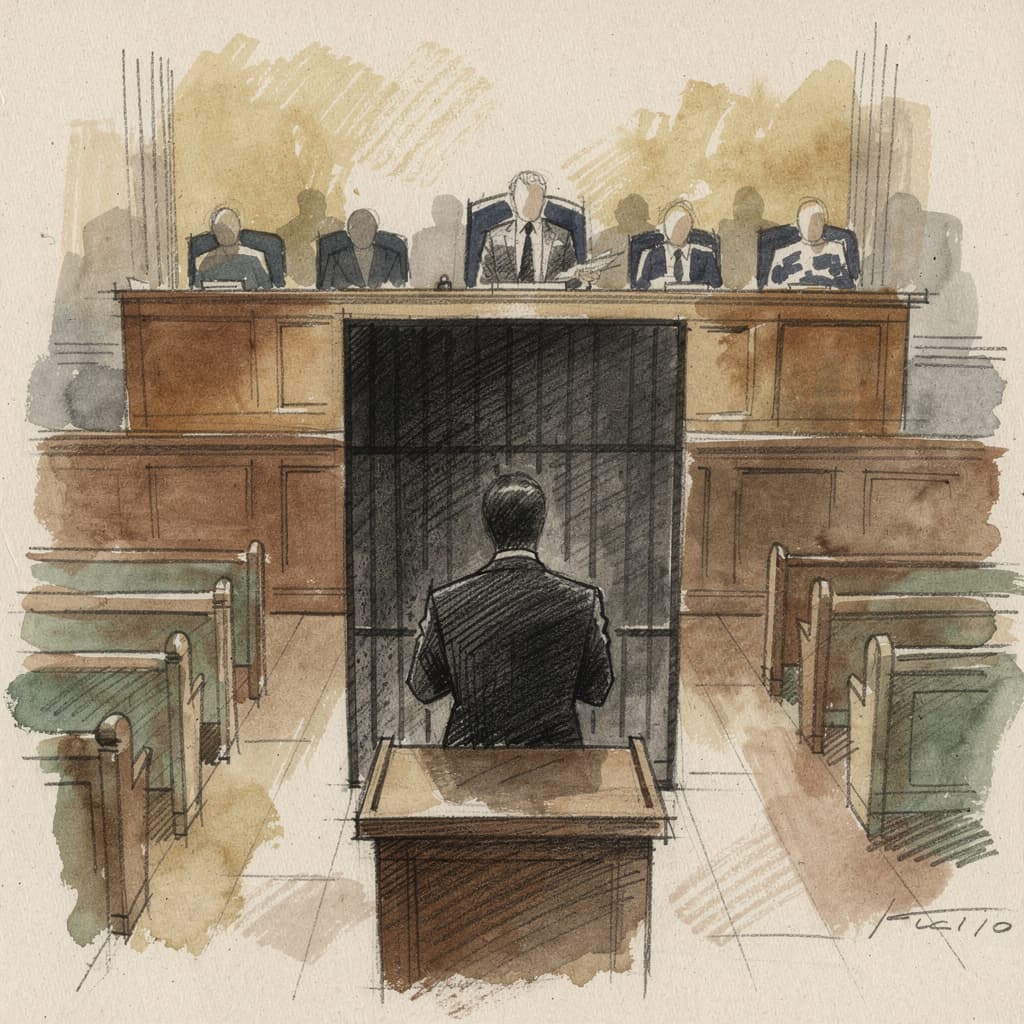
What it's about
The Court considered whether such long-term deprivation of exercise without a security justification violates the Eighth Amendment's prohibition on cruel and unusual punishment.
The case came from the Seventh Circuit and raised a broader constitutional question about when prison conditions become unconstitutional punishment.
Question presented
Whether such long-term deprivation of exercise without a security justification violates the Eighth Amendment's prohibition on cruel and unusual punishment?
What the Court decided
Holding
Petition DENIED. Justice Jackson, with whom Justice Sotomayor and Justice Kagan join, dissenting from the denial of certiorari. (Detached Opinion )
The vote
- Majority author
- Ketanji Brown Jackson
What's next
The Supreme Court has finished its action on this petition. No further Supreme Court step is identified for this petition, and the underlying legal question was not decided.
Documents
Docket activity
New analysis added
AI analysis generated: Case Briefing
AI analysis generated: Decision Record
Opinion added: Prentice
Opinion added: Opinion
Show 2 moreShow fewer
Brief added: Petition
Court Order added: Lower Court Orders/Opinions
More questions
- What was Johnson v. Prentice about?
- It concerned a prisoner held for three years in a windowless solitary cell the size of a parking space, with virtually no exercise. The question involved the Eighth Amendment's ban on cruel and unusual punishment.
- What did the Supreme Court do in Johnson v. Prentice?
- The Court refused to hear the case (denied the petition). It did not decide whether the exercise restriction violated the Eighth Amendment.
- Who disagreed with the Supreme Court's refusal to hear Johnson's case?
- Justice Jackson disagreed with the refusal, and Justices Sotomayor and Kagan also disagreed. No vote count is stated.
- Did the Supreme Court decide whether the exercise restriction violated the Eighth Amendment?
- No. The Court refused to hear Johnson's request for Supreme Court review and did not decide that constitutional question.
- What happens next for Johnson's request for Supreme Court review?
- The Court's action on that request is complete. No further Supreme Court step is identified for it.
Sources
Primary materials plus reporting. Best-effort analysis: this explainer relies on a mix of primary materials and trusted secondary sources. Official filings and opinions remain authoritative.