Lindke v. Freed
In brief
Blocking a critic from an official’s social-media page can violate constitutional speech protections only when the official was acting, and presenting themselves as acting, for the government.
- Where it stands
- Decided
Decided 9-0 · March 15, 2024 · Opinion by Justice Barrett
- What it’s about
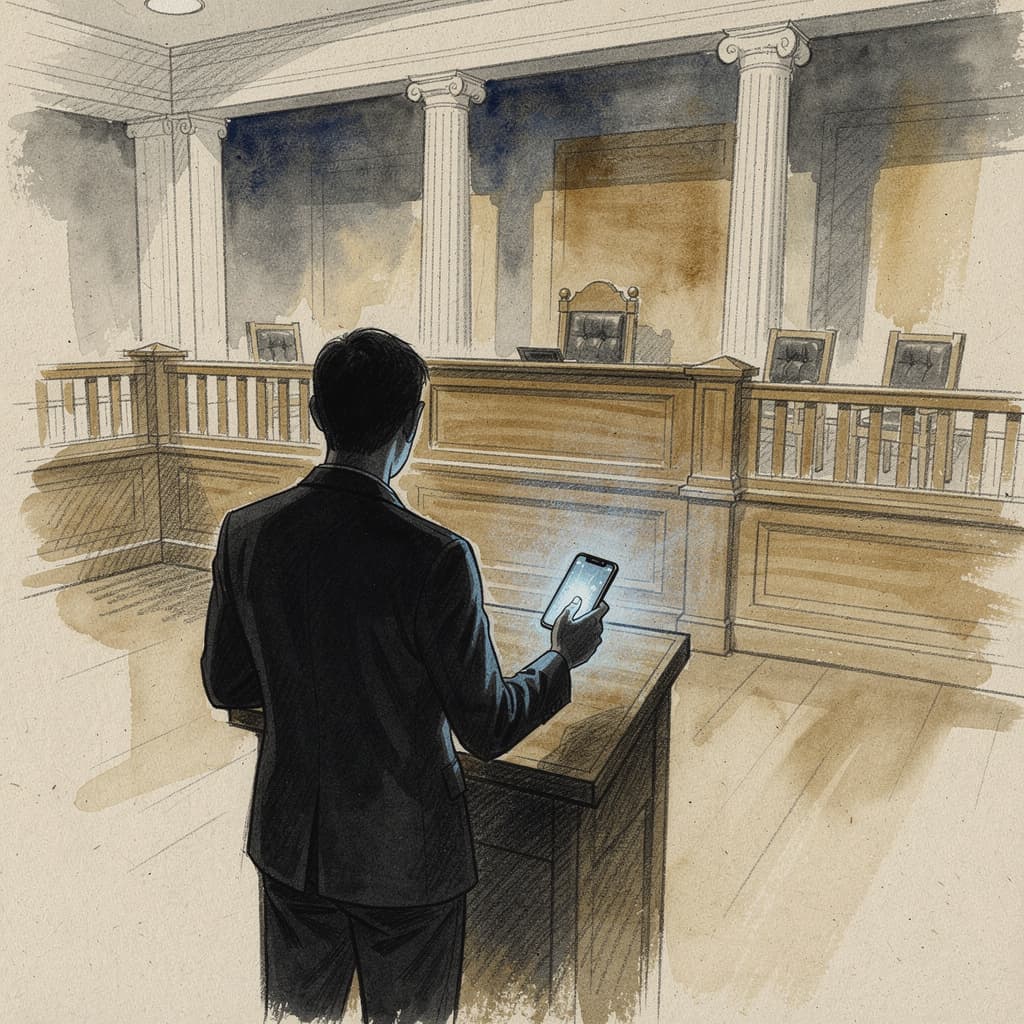
- The Supreme Court established a new test to determine when a public official's social media activity constitutes state action, ruling that officials are liable for blocking critics only if they possess actual authority to speak for the state and purport to exercise that authority in their posts.
- Who it affects
- Public officials do not automatically turn personal social-media pages into government forums. For example, a resident blocked from a mayor’s page must show the mayor had and appeared to use official authority in the relevant posts.
Summary: written with AI from the case record.
What it's about
The unanimous decision vacated a lower court ruling involving a city manager who blocked a resident from his Facebook page.
The decision draws a line between officials’ private online speech and online speech made on behalf of government.
Question presented
When does a public official’s social media activity constitute state action subject to the First Amendment?
What the Court decided
The vote
From the opinions
“An official acts under state authority only if the official both "possessed actual authority to speak on the State’s behalf" and "purported to exercise that authority" in the relevant posts.”
What's next
Lower courts must apply the Court’s two-part test to the city manager’s Facebook activity on remand. Governments and public officials may review whether official pages and posts clearly use government authority.
Documents
Docket activity
New analysis added
AI analysis generated: Impact Analysis
New analysis added
AI analysis generated: Case Briefing
AI analysis generated: Opinion Summary
Show 5 moreShow fewer
Opinion added: Lindke
Opinion added: opinion
Brief added: Petition
Court Order added: Lower Court Orders/Opinions
Brief added: Questions Presented
More questions
- What did the Supreme Court rule in Lindke v. Freed?
- The Court required proof that an official had authority to speak for the state and appeared to exercise it in the relevant posts.
- Who is affected by the Lindke v. Freed decision?
- Public officials, government agencies, and people blocked from officials’ social-media pages are affected. Personal pages are not automatically treated as government-run spaces.
- What happens next in Lindke v. Freed?
- The case returns to the lower courts. They must apply the Supreme Court’s new test to the city manager’s Facebook page.
Sources
Primary materials plus reporting. Best-effort analysis: this explainer relies on a mix of primary materials and trusted secondary sources. Official filings and opinions remain authoritative.