Lora v. United States
In brief
Federal judges have discretion to impose either concurrent or consecutive sentences for Section 924(j) convictions.
- Where it stands
- Decided
Decided 9-0 · June 16, 2023 · Opinion by Justice Jackson
- What it’s about
- Efrain Lora was convicted under a federal statute for his role in a drug-trafficking-related murder.
- Who it affects
- People sentenced under Section 924(j) are not automatically required to serve that sentence after every other sentence. For example, a federal judge may allow a Section 924(j) sentence to run at the same time as another sentence.
Summary: written with AI from the case record.
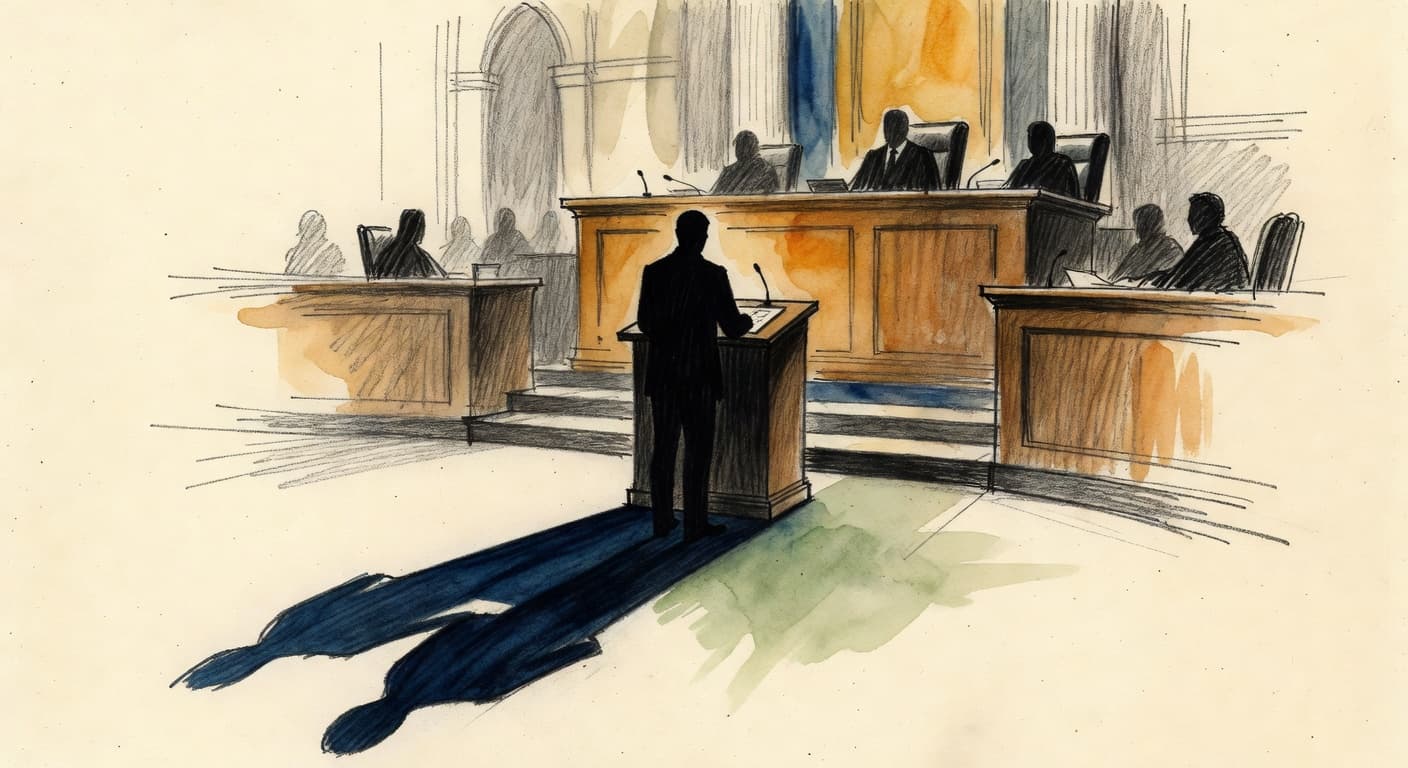
What it's about
The Supreme Court unanimously ruled that federal judges have the discretion to impose concurrent or consecutive sentences for this specific offense, as the consecutive-sentence mandate in a related subsection does not apply.
The decision separates Section 924(j) from a related gun-law provision that requires consecutive sentences.
Question presented
Does federal criminal sentencing law require a man who was convicted and sentenced for his role in a drug-trafficking-related murder to serve consecutive, rather than concurrent, sentences?
What the Court decided
Holding
Section 924(c)(1)(D)(ii)’s bar on concurrent sentences does not govern a sentence for a §924(j) conviction. A §924(j) sentence therefore can run either concurrently with or consecutively to another sentence. Vacated and remanded.
- Result
- Vacated
The vote
From the opinions
“A §924(j) sentence therefore can run either concurrently with or consecutively to another sentence.”
What's next
The case returns to the lower courts for further proceedings consistent with the decision. Judges sentencing people under Section 924(j) must treat concurrent versus consecutive sentencing as a choice rather than an automatic requirement.
Documents
Docket activity
New analysis added
AI analysis generated: Impact Analysis
AI analysis generated: Opinion Summary
New analysis added
AI analysis generated: Case Briefing
Show 6 moreShow fewer
AI analysis generated: Decision Record
Opinion added: Lora
Opinion added: opinion
Brief added: Petition
Court Order added: Lower Court Orders/Opinions
Brief added: Questions Presented
More questions
- What did the Supreme Court rule in Lora v. United States?
- The Court ruled that Section 924(j) sentences may run concurrently or consecutively with another sentence. The related consecutive-sentence mandate does not control.
- Who won Lora v. United States?
- Efrain Lora won the legal issue before the Court. The Court vacated the lower court's decision and remanded the case.
- How does Lora affect federal sentencing?
- Federal judges have discretion when sentencing under Section 924(j). They may impose a sentence at the same time as, or after, another sentence.
- Is the consecutive-sentence rule still the law after Lora v. United States?
- Yes, but it does not apply to Section 924(j) convictions. The Court said Section 924(j) sentences can be concurrent or consecutive.
Sources
Primary materials plus reporting. Best-effort analysis: this explainer relies on a mix of primary materials and trusted secondary sources. Official filings and opinions remain authoritative.