O'Connor-Ratcliff v. Garnier
In brief
Using a personal social-media account for job-related discussion alone does not make every block a First Amendment violation.
- Where it stands
- Decided
Decided 9-0 · March 15, 2024 · Opinion by Justice Curiam
- What it’s about
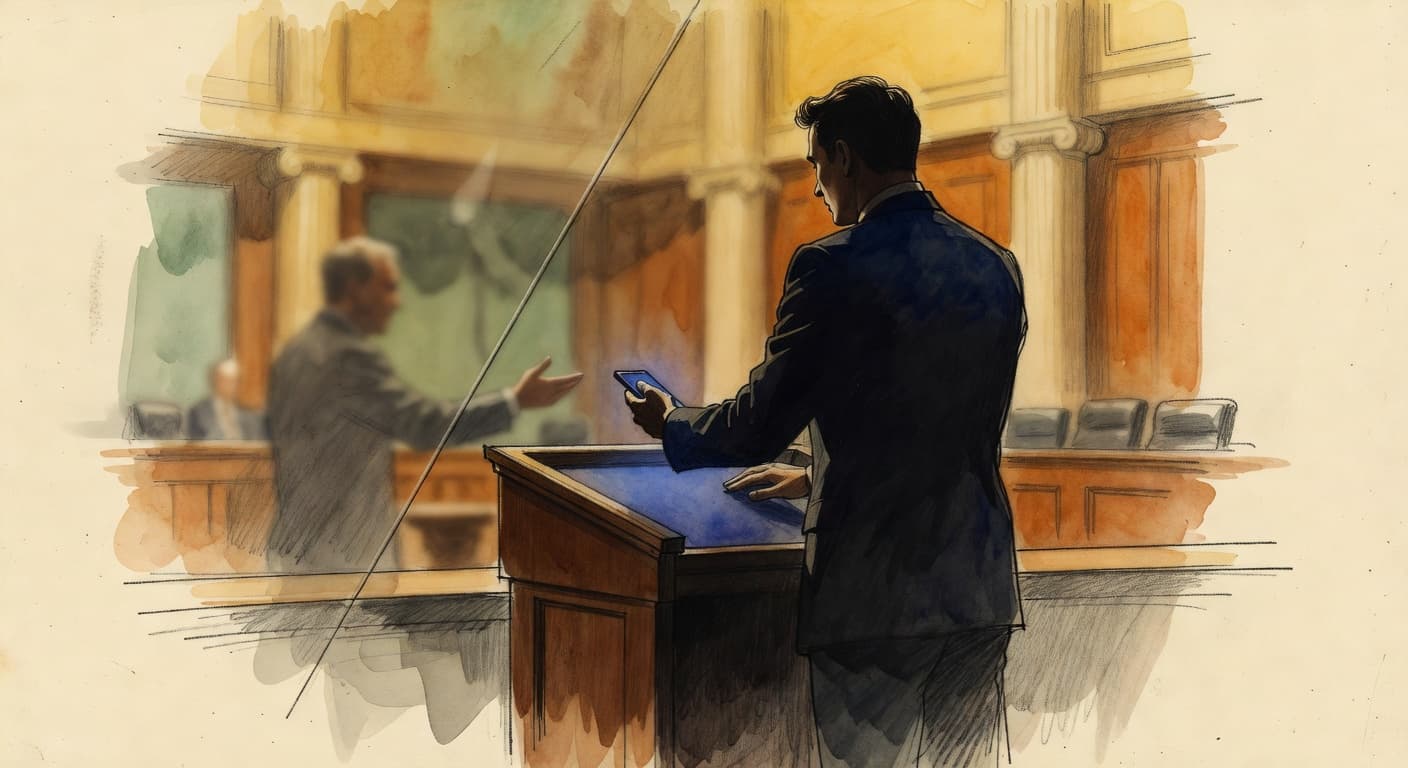
- This case concerns whether public officials violate the First Amendment when they block individuals from their personal social media accounts that are used to communicate with the public about official business.
- Who it affects
- People blocked from commenting on an official’s social-media page must now show both authority and an apparent use of that authority.
Summary: written with AI from the case record.
What it's about
The Supreme Court vacated the lower court's decision and remanded the case to be reconsidered under the new test established in the related case Lindke v. Freed.
The case applies the Court’s related Lindke v. Freed test to distinguish an official’s personal online speech from official government communication.
Question presented
Does a public official engage in state action subject to the First Amendment by blocking an individual from the official’s personal social media account, which the official uses to communicate about job-related matters with the public?
What the Court decided
The vote
From the opinions
“State action exists only if an official both had actual authority to speak for the State on a matter and purported to exercise that authority in the relevant posts.”
What's next
The Ninth Circuit must reconsider the case under the two-part test. Lower courts and parties in similar disputes will assess an official’s actual authority and whether the posts appeared to use it.
Why it matters
For example, a resident challenging a block must connect the relevant posts to the official’s power to speak for the government.
Docket activity
New analysis added
AI analysis generated: Case Briefing
New analysis added
AI analysis generated: Impact Analysis
AI analysis generated: Opinion Summary
Show 5 moreShow fewer
Opinion added: O'Connor-Ratcliff
Opinion added: opinion
Opinion added: Opinion
Brief added: Petition
Brief added: Questions Presented
More questions
- What did the Supreme Court rule in O'Connor-Ratcliff v. Garnier?
- The Court vacated the Ninth Circuit’s decision and required it to apply a two-part test for government action on social media.
- Who is affected by the O'Connor-Ratcliff decision?
- Public officials and people blocked from their social-media pages are affected. A challenger must show authority to speak for the government and an apparent exercise of it.
- What happens next in O'Connor-Ratcliff v. Garnier?
- The case returns to the Ninth Circuit. That court must reconsider the dispute using the Supreme Court’s test.
Sources
Primary materials plus reporting. Best-effort analysis: this explainer relies on a mix of primary materials and trusted secondary sources. Official filings and opinions remain authoritative.