Macquarie Infrastructure v. Moab Partners, L. P.
In brief
Rule 10b-5(b) reaches misleading half-truths, not pure omissions.
- Where it stands
- Decided
Decided 9-0 · April 12, 2024 · Opinion by Justice Sotomayor
- What it’s about
- The Supreme Court ruled that a company's failure to disclose information required by SEC regulations does not automatically create liability for securities fraud under Rule 10b-5(b) unless that omission makes an actual affirmative statement misleading.
- Who it affects
- Investors cannot use Rule 10b-5(b) to sue solely because a company stayed silent about information an SEC rule required it to disclose. Companies may still face claims when an omission turns what they did say into a misleading half-truth.
Summary: written with AI from the case record.
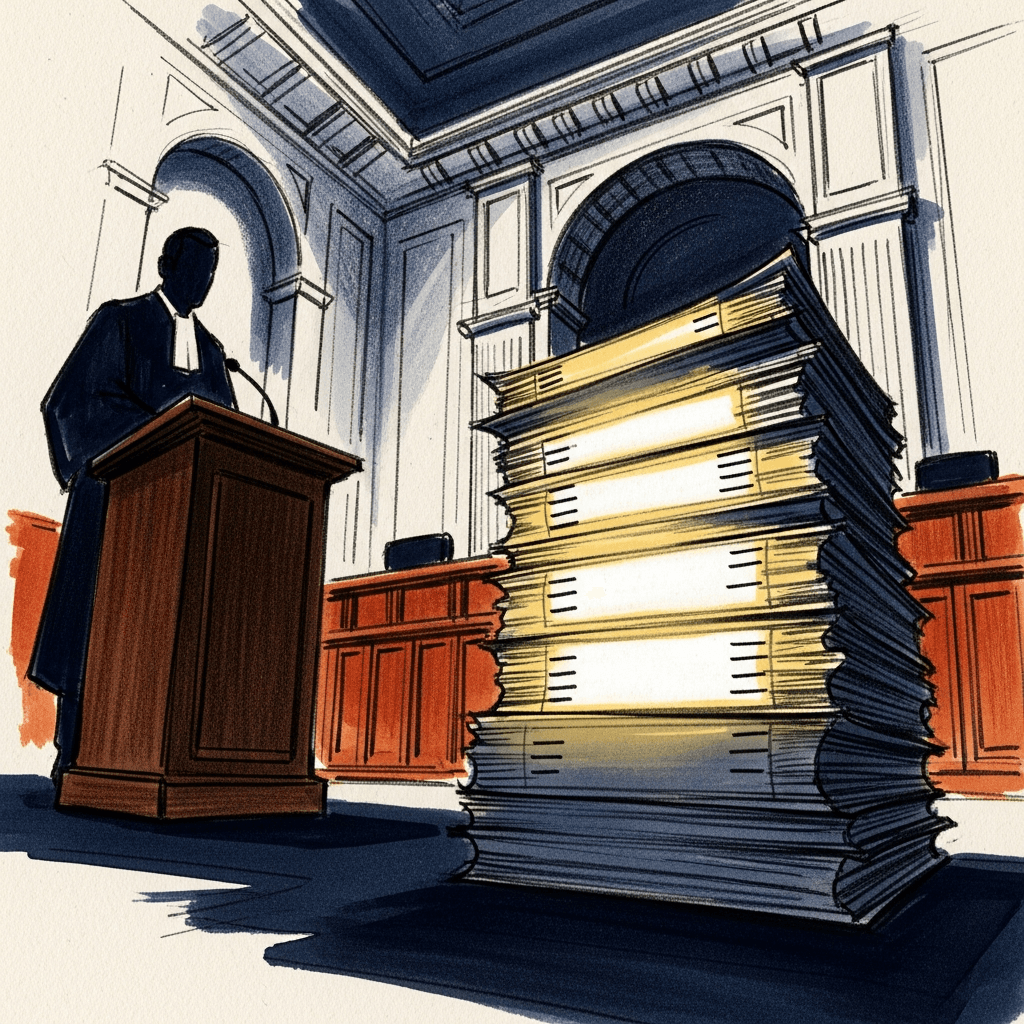
What it's about
The unanimous decision clarified that "pure omissions"—simply failing to speak when required—are not actionable under this specific anti-fraud rule, which targets half-truths rather than silence.
The decision draws a line between securities-fraud claims based on misleading statements and claims based solely on a failure to disclose required information.
Question presented
May a failure to make a disclosure required under Item 303 of SEC Regulation S-K support a private claim under Section 10(b) of the Securities Exchange Act of 1934, even in the absence of an otherwise misleading statement?
What the Court decided
Holding
Pure omissions are not actionable under Rule 10b–5(b). Rule 10b– 5(b) makes it unlawful “[t]o make any untrue statement of a material fact or to omit to state a material fact necessary in order to make the statements made, in the light of the circumstances under which they were made, not misleading.” 17 CFR §240.10b–5(b). In addition to prohibiting “any untrue statement of a material fact”— i . e ., false statements or lies—the Rule also prohibits omitting a material fact necessary “to make the statements made . . . not misleading.” Ibid. This case turns on whether this second prohibition bars only half-truths or instead extends to pure omissions. Vacated and remanded.
- Result
- Vacated
The vote
From the opinions
“Pure omissions are not actionable under Rule 10b–5(b).”
What's next
The case returns to the lower courts after the Court vacated the Second Circuit’s decision and sent the case back. Lower courts must apply the rule that a missing Item 303 disclosure alone does not establish a Rule 10b-5(b) claim.
Docket activity
New analysis added
AI analysis generated: Case Briefing
AI analysis generated: Decision Record
New analysis added
AI analysis generated: Impact Analysis
Show 5 moreShow fewer
AI analysis generated: Opinion Summary
Opinion added: Opinion
Opinion added: opinion
Brief added: Petition
Brief added: Questions Presented
More questions
- What did the Supreme Court rule in Macquarie Infrastructure?
- The Court ruled that pure omissions are not actionable under Rule 10b-5(b). An omitted fact must make a company statement misleading.
- Who won Macquarie Infrastructure?
- Macquarie won on the legal question. The Court vacated the Second Circuit’s decision and sent the case back.
- What does Macquarie Infrastructure mean for investors?
- Investors cannot bring a Rule 10b-5(b) claim based only on a missed Item 303 disclosure. They may still allege misleading half-truths.
- Is Rule 10b-5(b) still the law after Macquarie Infrastructure?
- Yes. The Court clarified that Rule 10b-5(b) covers false statements and omissions needed to keep statements from being misleading.
Sources
Primary materials plus reporting. Best-effort analysis: this explainer relies on a mix of primary materials and trusted secondary sources. Official filings and opinions remain authoritative.