Gonzalez v. Trevino
In brief
The Fifth Circuit cannot require only specific non-arrest comparisons; other objective evidence may support Gonzalez's claim.
- Where it stands
- Decided
Decided 8-1 · June 20, 2024 · Per curiam
- What it’s about
- This case clarified the evidence required to prove a First Amendment retaliatory arrest claim when probable cause for the arrest exists.
- Who it affects
- People alleging an arrest was retaliation for protected speech do not have to produce specific examples of identical people who were not arrested.
Summary: written with AI from the case record.
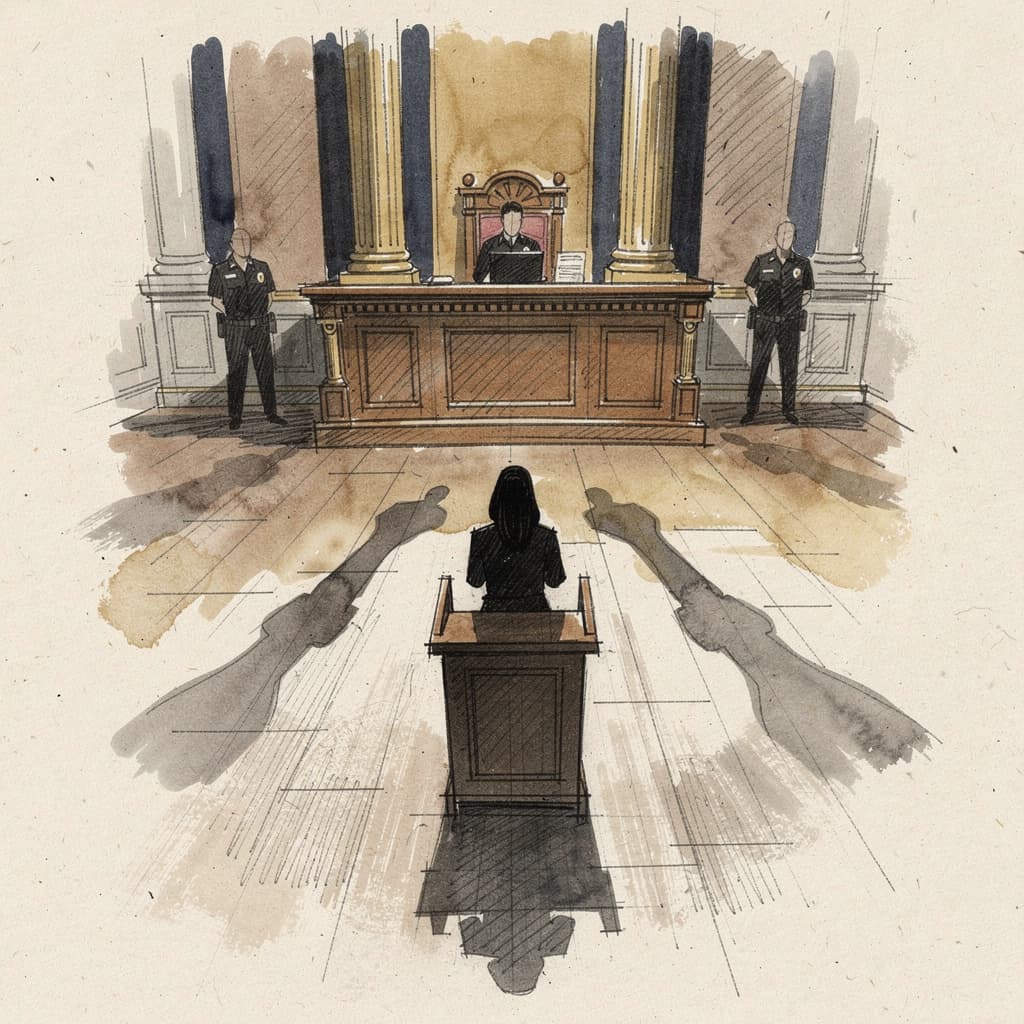
What it's about
The Supreme Court held that plaintiffs are not strictly required to provide specific examples of others not being arrested for similar conduct, but may instead use other objective evidence to show the arrest was retaliatory.
The decision explains how people can try to prove retaliation when officers had probable cause to make an arrest.
Question presented
Did the Fifth Circuit err in requiring petitioner Sylvia Gonzalez to provide specific comparator evidence to support her retaliatory arrest claim?
What the Court decided
Holding
We vacate the judgment below and remand the case for the lower courts to assess whether Gonzalez’s evidence suffices to satisfy the Nieves exception.
- Result
- Vacated
The vote
- Joined the judgment
- Concurred in a separate opinion
- Dissented
- Wrote an opinion
- Concurring · 3agreed with the result, wrote separately
- Dissenting · 1disagreed with the result
- Thomaswrote the dissent
From the opinions
“We vacate the judgment below and remand the case for the lower courts to assess whether Gonzalez’s evidence suffices to satisfy the Nieves exception.”
“I continue to believe that “plaintiffs bringing a First Amendment retaliatory-arrest claim under §1983 should have to plead and prove a lack of probable cause.””
What's next
The lower courts must assess whether Gonzalez's evidence is enough under the Nieves exception. Government officials and people bringing similar claims must apply the broader evidence standard set by the Court.
Why it matters
For example, an elected official may use other objective evidence that arrests for similar conduct are unusually rare.
Documents
Docket activity
New analysis added
AI analysis generated: Impact Analysis
New analysis added
AI analysis generated: Case Briefing
AI analysis generated: Opinion Summary
Show 5 moreShow fewer
AI analysis generated: Decision Record
Opinion added: Gonzalez
Opinion added: Opinion
Brief added: Petition
Brief added: Questions Presented
More questions
- What did the Supreme Court rule in Gonzalez v. Trevino?
- The Court rejected the Fifth Circuit's requirement for specific comparator evidence and sent the case back for further review.
- Who won Gonzalez v. Trevino?
- Gonzalez won the Supreme Court decision because the Court vacated the Fifth Circuit's judgment. Her claim still must be assessed by the lower courts.
- What does Gonzalez v. Trevino mean for retaliatory-arrest claims?
- People may use objective evidence beyond specific examples of similar people who were not arrested. They must still show their evidence fits the Nieves exception.
- Is probable cause still a barrier after Gonzalez v. Trevino?
- Yes. Probable cause ordinarily blocks a retaliatory-arrest claim, but the Nieves exception can apply when officers typically do not make arrests for the conduct.
- What happens next in Gonzalez v. Trevino?
- The lower courts will decide whether Gonzalez's evidence is sufficient under the Nieves exception. The Supreme Court did not resolve that factual question itself.
Sources
Primary materials plus reporting. Best-effort analysis: this explainer relies on a mix of primary materials and trusted secondary sources. Official filings and opinions remain authoritative.