Gonzalez v. Google
In brief
The Court erased the Ninth Circuit's Section 230 ruling in this case but did not answer the central question about targeted recommendations.
- Where it stands
- Decided
Decided 9-0 · May 18, 2023 · Per curiam
- What it’s about
- The family of a terrorist attack victim sued Google, alleging that YouTube's algorithms aided ISIS by recommending their recruitment videos.
- Who it affects
- The Court did not decide whether Section 230 protects platforms when algorithms recommend third-party content. Google, YouTube, users, and future plaintiffs therefore did not get a new nationwide answer on that question.
Summary: written with AI from the case record.
What it's about
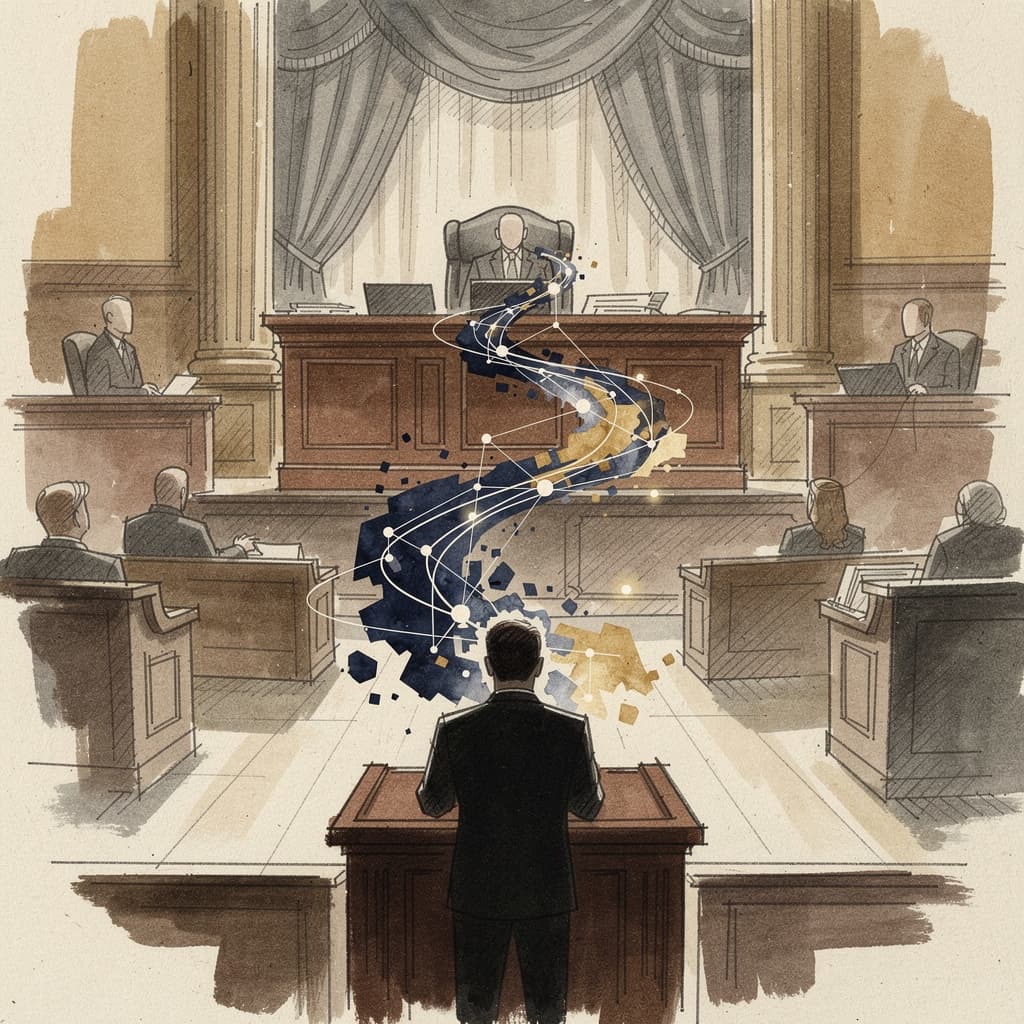
The Supreme Court vacated the lower court's decision and remanded the case for reconsideration in light of a related ruling, declining to address the scope of immunity provided to internet platforms by Section 230 of the Communications Decency Act.
The case was part of a broader debate over when internet platforms can be liable for content posted by others.
Question presented
Does Section 230(c)(1) of the Communications Decency Act immunize interactive computer services when they make targeted recommendations of information provided by another information content provider?
What the Court decided
Holding
Instead, we vacate the judgment below and remand the case for the Ninth Circuit to consider plaintiffs’ complaint in light of our decision in Twitter.
- Result
- Vacated
The vote
From the opinions
“Instead, we vacate the judgment below and remand the case for the Ninth Circuit to consider plaintiffs’ complaint in light of our decision in Twitter.”
What's next
The Ninth Circuit must reconsider the family's complaint in light of the Court's Twitter decision. The parties will continue litigating the claims under that direction.
Documents
Docket activity
New analysis added
AI analysis generated: Impact Analysis
New analysis added
AI analysis generated: Case Briefing
AI analysis generated: Opinion Summary
Show 5 moreShow fewer
AI analysis generated: Decision Record
Opinion added: Gonzalez
Opinion added: Opinion
Brief added: Petition
Brief added: Questions Presented
More questions
- What did the Supreme Court rule in Gonzalez v. Google?
- The Court unanimously vacated the Ninth Circuit's judgment and sent the case back for reconsideration in light of Twitter. It did not decide the Section 230 question.
- Who won Gonzalez v. Google?
- Neither side received a final answer on whether Section 230 protects targeted recommendations. The Ninth Circuit's earlier decision was vacated.
- What does Gonzalez v. Google mean for YouTube and other platforms?
- It left unresolved whether Section 230 protects recommendations made by platform algorithms. Platforms and plaintiffs lack a new Supreme Court rule on that issue.
- Is Section 230 still the law after Gonzalez v. Google?
- Yes. The Court did not decide the scope of Section 230 immunity for targeted recommendations in this case.
- What happens next in Gonzalez v. Google?
- The Ninth Circuit will reconsider the family's complaint in light of Twitter. The parties may continue litigating the claims there.
Sources
Primary materials plus reporting. Best-effort analysis: this explainer relies on a mix of primary materials and trusted secondary sources. Official filings and opinions remain authoritative.