Collins v. Thornton
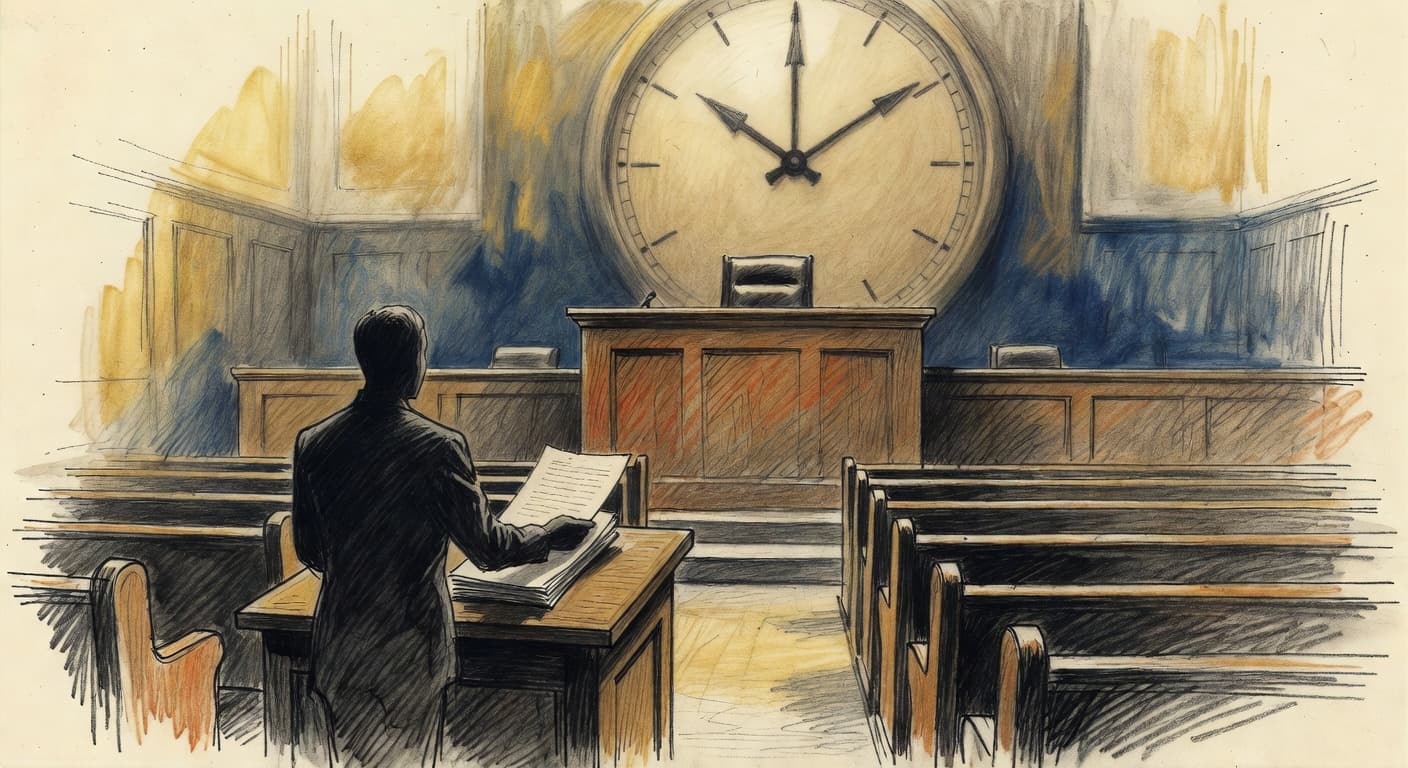
This case considers whether a district court can extend the deadline for serving a lawsuit under Federal Rule of Civil Procedure 4(m) even if the plaintiff cannot show good cause for the delay.
- Status
- Before Arguments
- Appeal from
- United States Court of Appeals for the Fourth Circuit
Briefing
What Happened
The Supreme Court is reviewing a case about the rules for starting a lawsuit. The justices must decide if a judge can give a plaintiff more time to serve legal papers to a defendant even if there is no good reason for the delay.
Why It Matters
This case affects how strictly court deadlines are followed. If the Court allows extensions without a good reason, it could help people who make mistakes when filing lawsuits, but it might also leave defendants waiting longer to learn they are being sued.
The Big Picture
Federal Rule of Civil Procedure 4(m) sets the timeline for telling a defendant they are being sued. Different courts across the country currently disagree on whether judges have the power to be flexible with this specific deadline.
What the Justices Said
No substantive justice or advocate reactions are available yet.
The Bottom Line
The Court will decide if judges have the power to extend lawsuit deadlines when a plaintiff fails to show a good reason for being late.
What's Next
The case is currently pending and waiting for a scheduled oral argument. After the justices hear the arguments from both sides, they will likely issue a final decision by the end of the term in June.
What is the core dispute in this case?
The case focuses on whether a district court can extend the deadline for serving a lawsuit. It specifically asks if this is allowed even if the plaintiff lacks a good cause for the delay.
What are the real-world consequences of this decision?
A ruling could make it easier for lawsuits to continue even after technical mistakes are made. However, it might also mean defendants face less certainty about when a legal threat has officially expired.
What specific legal rule is being debated?
The debate centers on Federal Rule of Civil Procedure 4(m). This rule governs the time limit for service of process (the formal delivery of legal documents to a defendant).
What is the next procedural step for the Court?
The next major milestone will be the scheduling of oral arguments. During that time, lawyers for both sides will present their positions and answer questions from the nine justices.
How does this case fit into a broader legal trend?
The Court often takes cases to resolve splits where different lower courts interpret the same federal rule in different ways. This ensures that legal procedures remain consistent across the entire United States.
Timeline
Sources
Docket plus reporting.
Refreshed Mar 11, 2026.
Context reporting
Documents
Coverage
Related cases