Dyroff v. Ultimate Software Grp., Inc.
This case involves a pending petition for a writ of certiorari from the Ninth Circuit between Dyroff and Ultimate Software Grp., Inc.
- Status
- Before Arguments
- Appeal from
- United States Court of Appeals for the Ninth Circuit
Briefing
What Happened
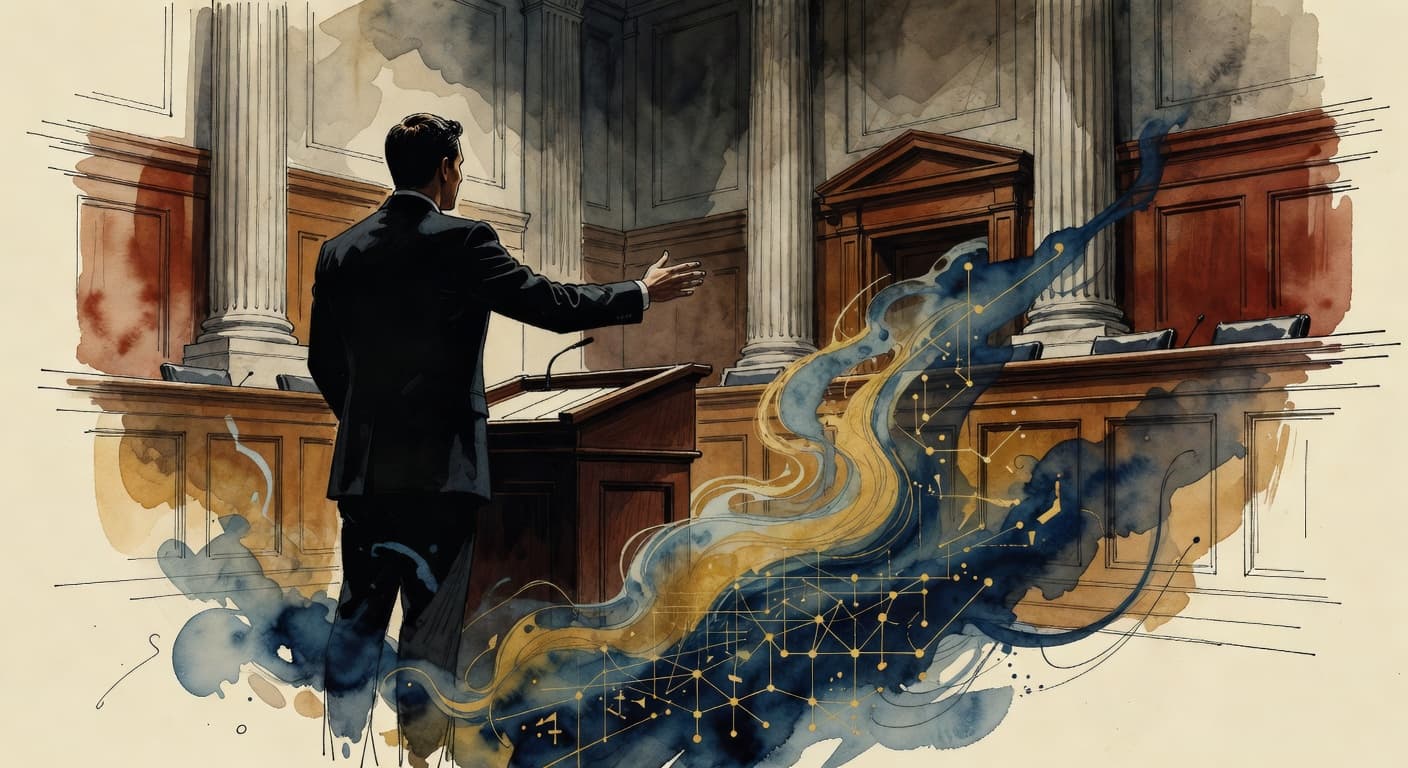
This case involves a dispute over whether social media and tech companies can be sued for using algorithms to recommend content to users. The petitioner, Dyroff, argues that Ultimate Software Group should be held responsible for its own conduct in connecting users through these automated systems. The Supreme Court is being asked to decide if Section 230 of the Communications Decency Act protects companies when their own software actively suggests third-party content.
Why It Matters
The outcome could change how the internet works by making tech companies legally responsible for what their algorithms promote. If the Court limits legal immunity, platforms might stop using recommendation features to avoid lawsuits. This would affect millions of social media users who rely on personalized feeds to find information and connect with others.
The Big Picture
Section 230 has long been seen as the 'law that created the internet' by protecting websites from being sued for what users post. However, many lawmakers and critics now argue that this protection is too broad when companies use complex math to push specific content. This case is part of a larger national debate about how much power and responsibility big tech companies should have over online speech.
What the Justices Said
No substantive justice or advocate reactions are available yet.
The Bottom Line
The Court must decide if tech companies lose their legal shield when their own algorithms actively recommend content to users.
What's Next
The case is currently in the petition stage, where the justices decide whether or not to hear the full appeal. The next major milestone will be a decision on the petition for certiorari (the Court's decision to hear the case) or a schedule for oral arguments. If the Court agrees to hear the case, lawyers for both sides will present their arguments in person.
What is the core dispute in this case?
The case asks if tech companies are immune from lawsuits when their algorithms recommend content. Dyroff argues that the company's own software choices should make them legally responsible for the results.
What are the real-world consequences of a ruling against the tech company?
Websites might disable recommendation features to avoid being sued for what their software promotes. This could make it harder for users to find relevant groups or information on large platforms.
What legal rule is being debated by the parties?
The debate centers on Section 230 of the Communications Decency Act. This law usually protects internet services from being treated as the publisher of content created by others.
What is the next procedural step for this case?
The Supreme Court must decide whether to grant certiorari (the decision to hear the case). If granted, the Court will schedule oral arguments to hear from both sides.
How does this case fit into a broader trend?
It reflects growing legal pressure to hold tech giants accountable for how their platforms function. Many people are questioning if old internet laws still work for modern, algorithm-driven websites.
Timeline
Sources
Docket plus reporting.
Refreshed Mar 11, 2026.
Context reporting
Documents
Coverage
Related cases