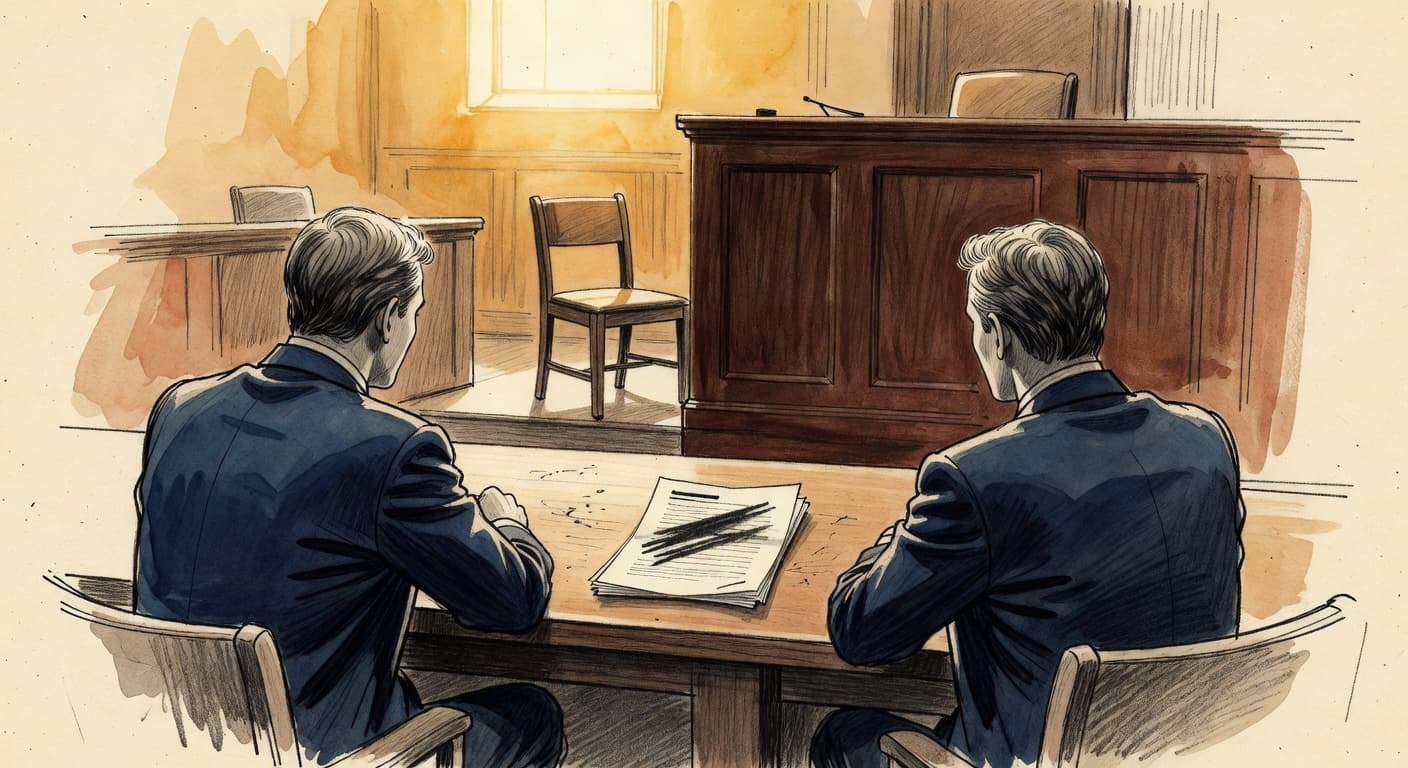
Illustration for Coffman v. Illinois
Docket 19-8391

Coffman v. Illinois

This case involves a petition for a writ of certiorari to the Appellate Court of Illinois, Fourth District, filed by an indigent petitioner.

Status
Decided
Appeal from
Appellate Court of Illinois, Fourth District
Decision released
Jun 1, 2020

Decision briefing

The case in plain English

Start with the holding, why it matters, and the strongest takeaways from the opinions.

What Happened

The Supreme Court denied a request to hear this case regarding the Confrontation Clause of the Sixth Amendment. The petitioner asked the Court to decide if using a co-defendant's confession violates a defendant's rights when the confession is edited but still points to them. By denying the petition, the Court let the lower court's ruling stand without a new decision.

Why It Matters

This case affects how trials are conducted when two or more people are accused of the same crime. It specifically impacts whether a person's right to face their accuser is protected when a partner's confession is read to a jury. If the rules are unclear, defendants might be convicted based on statements they cannot challenge in court.

The Big Picture

The Sixth Amendment gives every defendant the right to confront the witnesses against them. This case follows a long history of legal battles over how to handle confessions in joint trials where one person refuses to testify. The Court must often balance the efficiency of joint trials against the constitutional rights of the individual.

What the Justices Said

No substantive justice or advocate reactions are available yet as the petition for certiorari (a request for the Court to hear the case) was denied.

The Bottom Line

The Supreme Court declined to review the case, leaving the Illinois court's decision in place regarding the use of redacted confessions.

What's Next

Watch for how lower courts, agencies, or affected parties respond to the ruling. Lawyers in other states may continue to argue over how neutral pronouns should be used in confessions. Future cases with similar facts may eventually reach the Supreme Court if different lower courts disagree on the rules.

What was the core dispute in this case?

The dispute was whether a defendant's rights are violated when a partner's confession is edited to remove names but still clearly identifies the defendant. The petitioner argued this practice bypasses the right to confront witnesses.

What are the real-world consequences of this decision?

Because the Court did not take the case, the current rules for joint trials in Illinois remain the same. This means prosecutors can continue using edited confessions as long as they follow existing lower court guidelines.

What is the legal rule at the center of this case?

The case centers on the Confrontation Clause of the Sixth Amendment. This rule generally prevents the government from using out-of-court statements against a defendant if the defendant cannot cross-examine the speaker.

What is the next procedural step for this matter?

Since the Supreme Court denied the petition, the legal process for this specific appeal has ended. The case will return to the lower courts to finalize any remaining administrative actions.

How does this fit into a broader legal trend?

This case reflects an ongoing struggle to define the limits of the Confrontation Clause in modern trials. It shows that the Court is selective about which specific technical questions it chooses to answer.

Where things stand

Timeline

Key court milestones at a glance.

Case Accepted
Arguments AheadUpcoming
Decision ReleasedJun 1, 2020

Source note

How this page is sourced

Official case materials anchor this page. Reporting is used only to add context and explain the dispute in plain English.

Page data last refreshed Mar 30, 2026.

Primary materials

Documents & resources

Briefs, opinions, transcripts, and audio when they are available.

Recent coverage

In the news

Selected reporting and analysis that can help you follow the public conversation around the case.

More to watch

Related cases on the docket

Other live cases with a similar posture, so readers can move across the docket without losing the thread.