Combs v. Nevada
In brief
The Supreme Court declined review and left Nevada's lower-court victory in place without resolving the constitutional questions.
- Where it stands
- Decided
Decided · June 1, 2020
- What it’s about
- The Supreme Court denied Combs’s petition for review, leaving the Ninth Circuit’s decision in favor of Nevada in place. The Court did not issue a ruling on the merits of Combs’s constitutional claims.
- Who it affects
- The action leaves Combs without a Supreme Court decision on his claim about closing the courtroom during jury selection. It also means people raising similar claims in the Ninth Circuit remain subject to that court's result.
Summary: written with AI from the case record.
What it's about
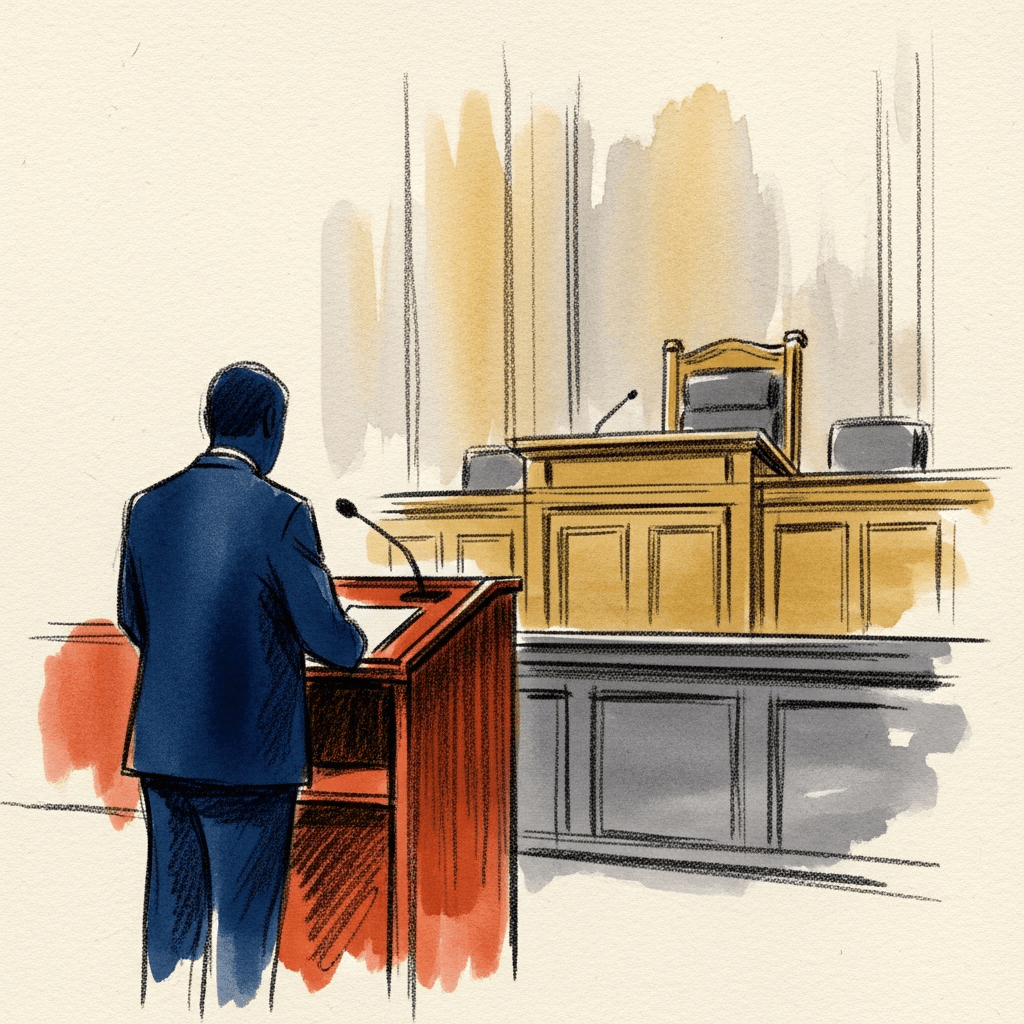
The case involved the Sixth Amendment right to a public trial and whether closing jury selection requires reversing a conviction.
Question presented
1. Whether the Sixth Amendment right to a public trial is violated when a trial court closes the courtroom to the public during jury selection without making the specific findings required by Waller v. Georgia, 467 U.S. 39 (1984), and Presley v. Georgia, 558 U.S. 209 (2010)? 2. Whether the denial of the right to a public trial during jury selection is a structural error that requires automatic reversal, even if the defendant did not object at trial?
What the Court decided
What's next
The Supreme Court's docket action is finished. The Ninth Circuit's decision remains in effect for Combs's case.
Documents
Opinions
Key filings
Docket activity
New analysis added
AI analysis generated: Case Briefing
Case data updated: summary, question_presented, generation_metadata
Opinion added: Combs
Brief added: Petition
More questions
- What did the Supreme Court rule in Combs v. Nevada?
- The Court declined review and did not decide Combs's constitutional claims. The Ninth Circuit's decision in favor of Nevada remains in place.
- Who is affected by the Combs v. Nevada outcome?
- Combs is directly affected because the lower-court result stands. People making similar public-trial claims in the Ninth Circuit may also be affected.
- What happens next in Combs v. Nevada?
- The Supreme Court has finished its action on the case. No Supreme Court merits decision will follow from this petition.
Sources
Primary materials plus reporting. Best-effort analysis: this explainer relies on a mix of primary materials and trusted secondary sources. Official filings and opinions remain authoritative.