Troy-McKoy v. N.Y.C. Dep't of Parks & Recreation
In brief
The lower court's judgment for the New York City Department of Parks and Recreation remains in effect because the Supreme Court declined review.
- Where it stands
- Decided
Decided · May 26, 2020
- What it’s about
- The Supreme Court denied Troy-McKoy’s petition for review, leaving in place the lower court’s ruling granting summary judgment to the New York City Department of Parks and Recreation on her employment discrimination, retaliation, and hostile-work-environment claims.
- Who it affects
- Troy-McKoy cannot continue this case through Supreme Court review. Other workers with similar discrimination, retaliation, or hostile-work-environment claims remain subject to the lower courts' decisions in their own cases.
Summary: written with AI from the case record.
What it's about
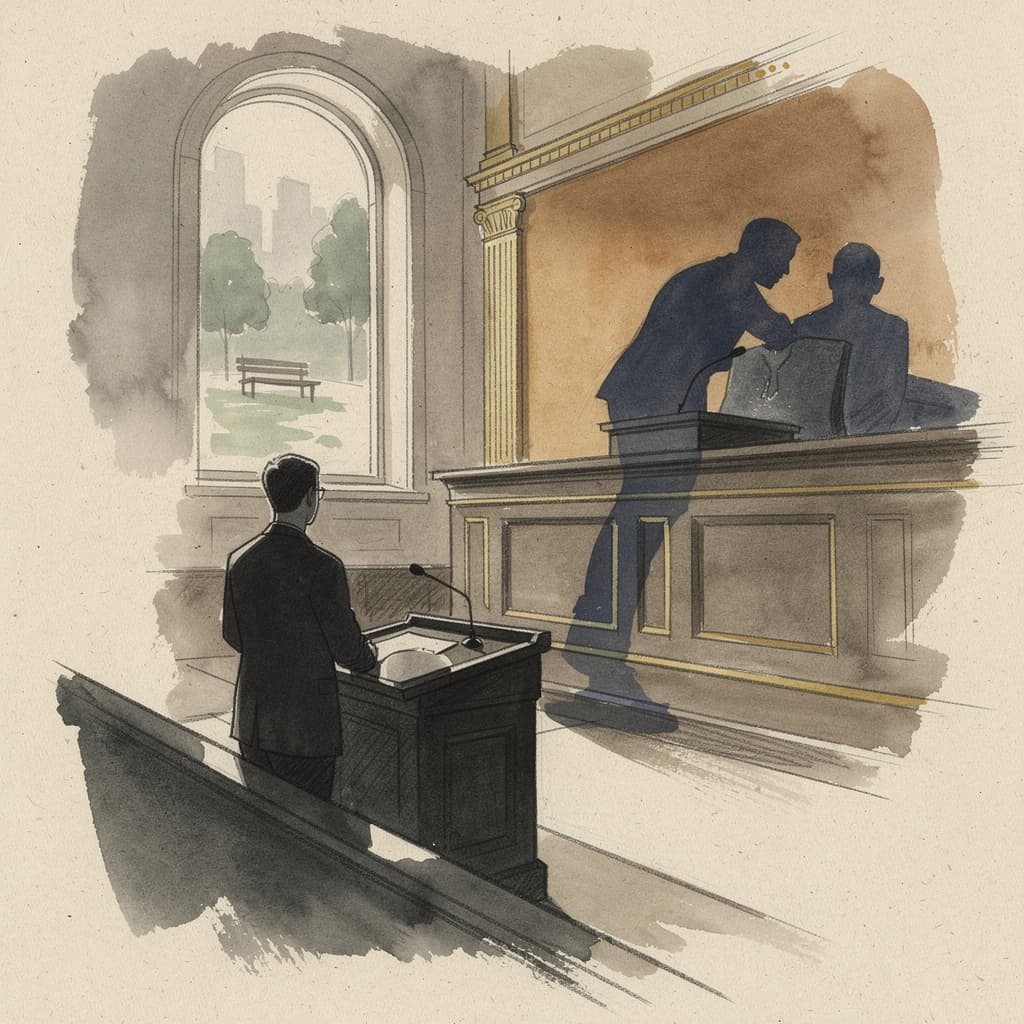
The petition challenged the lower court's treatment of employment-discrimination claims and the "cat's paw" theory, in which a biased employee may influence an employer's decision.
Question presented
1. Whether the Second Circuit erred in affirming the district court's grant of summary judgment on Petitioner's claims of discrimination, retaliation, and hostile work environment? 2. Whether the Second Circuit erred in its application of the "cat's paw" theory of liability?
What the Court decided
What's next
The Supreme Court has finished its action on this docket. The lower court's judgment remains in place.
Documents
Docket activity
New analysis added
AI analysis generated: Case Briefing
Case data updated: summary, question_presented, generation_metadata
Opinion added: Troy-McKoy
Brief added: Petition
Show 1 moreShow fewer
Court Order added: Lower Court Orders/Opinions
More questions
- What did the Supreme Court rule in Troy-McKoy v. N.Y.C. Department of Parks and Recreation?
- The Court declined to hear the case and did not decide its merits. The lower court's judgment for the department stays in place.
- Who is affected by the Troy-McKoy case?
- Troy-McKoy is directly affected because her challenge ends at the Supreme Court. Workers with similar claims may still bring cases under the rules applied by lower courts.
- What happens next in Troy-McKoy v. N.Y.C. Department of Parks and Recreation?
- No further Supreme Court action is expected in this docket. The lower court's judgment remains effective.
Sources
Primary materials plus reporting. Best-effort analysis: this explainer relies on a mix of primary materials and trusted secondary sources. Official filings and opinions remain authoritative.