In re Watson
In brief
The Supreme Court declined to review Watson's petition and did not decide whether his federal custody violated the Constitution or federal law.
- Where it stands
- Decided
Decided · May 18, 2020
- What it’s about
- In this original habeas corpus matter, Watson claimed that federal custody violated the Constitution or federal law and sought release or other relief. The Supreme Court denied the requested habeas relief.
- Who it affects
- Watson received no relief through this petition, but the order did not decide whether his custody violated federal law or the Constitution.
Summary: written with AI from the case record.
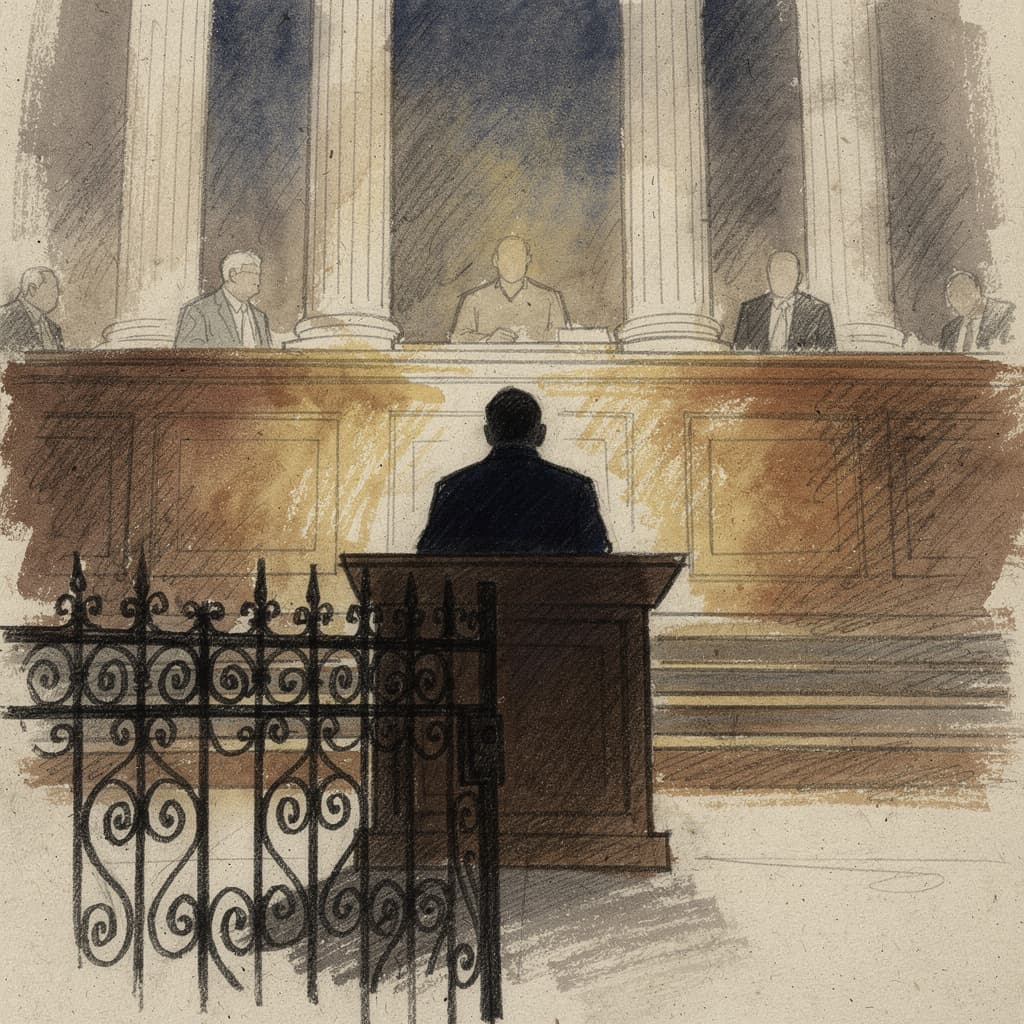
What it's about
The case was an original habeas matter: Watson directly challenged his federal custody as a prisoner's challenge to being locked up.
Question presented
1. Whether the Petitioner is being held in custody in violation of the Constitution or laws of the United States? 2. Whether the Petitioner is entitled to a Writ of Habeas Corpus? 3. Whether the Petitioner is entitled to an evidentiary hearing? 4. Whether the Petitioner is entitled to any other relief this Court deems just and proper?
What the Court decided
Holding
Petition DENIED.
What's next
The Court finished this docket action, and the record shows no further Supreme Court step. The order did not resolve the underlying legal questions.
Documents
Docket activity
New analysis added
AI analysis generated: Case Briefing
New analysis added
New analysis added
New analysis added
Show 7 moreShow fewer
New analysis added
New analysis added
New analysis added
New analysis added
New analysis added
New analysis added
New analysis added
More questions
- Did the Court decide whether Watson was entitled to an evidentiary hearing?
- No. The Court denied the petition without deciding whether he was entitled to an evidentiary hearing.
Sources
Primary materials plus reporting. Best-effort analysis: this explainer relies on a mix of primary materials and trusted secondary sources. Official filings and opinions remain authoritative.